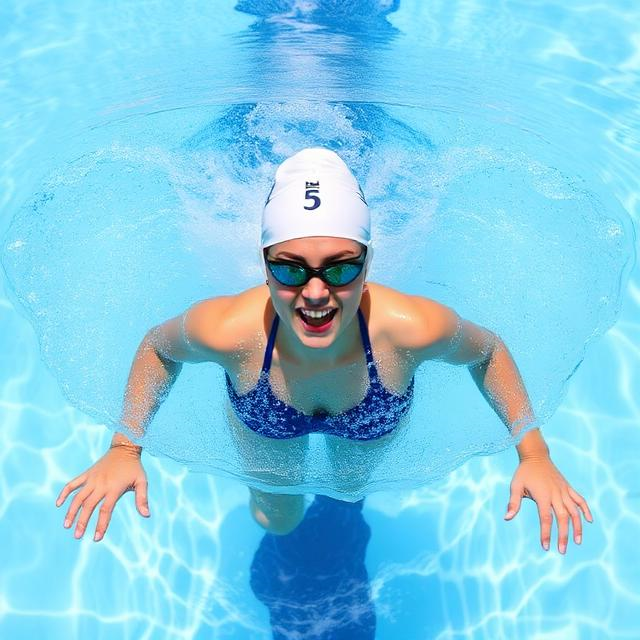
The question that is going to be addressed today is, is swimming good for burning calories? Swimming is a life skill, and it’s an activity that we should’ve given priority too during our childhood days. If, you’re a competent swimmer, then taking the next steps will be easy but if you’re not great in the water, swimming lessons should be your first step.
Once, you’ve taken those first basic steps, it’s now time to take your first strokes towards burning calories whilst swimming.
Is Swimming Good For Burning Calories?
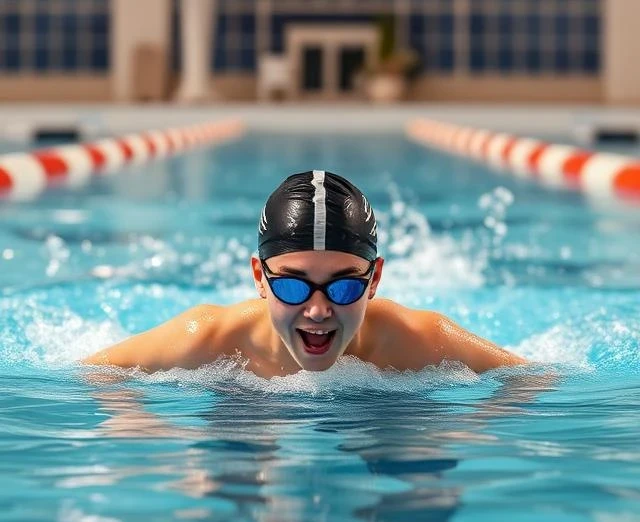
If, you’ve ever finished a swim session feeling surprisingly wiped out, you’ve probably wondered: is swimming good for burning calories. Or does it just feel harder than it looks? The short answer: swimming is one of the most effective full-body calorie-burning workouts available. And it comes with joint-friendly, heart-healthy, and muscle-building benefits that many land exercises can’t match.
Unlike many workouts that focus on either cardio or strength, swimming blends both. You’re fighting water resistance while keeping your heart rate elevated, which makes it uniquely efficient for fat loss and fitness.
Let’s break down exactly how swimming stacks up, what affects calorie burn, and how to get the most results from your time in the pool.
Is Swimming Good For Burning Calories Compared to Other Exercises?
Swimming holds its own, and often wins, when compared to popular cardio workouts.
Average calorie burn per hour (estimates for a 155–185 lb person):
- Swimming (moderate laps): 400–700 calories.
- Swimming (vigorous laps): 700–900+ calories.
- Running (6 mph): 600–800 calories.
- Cycling (moderate): 500–700 calories.
- Walking (brisk): 280–450 calories.
What makes swimming stand out is total muscle recruitment. Running is lower-body dominant. Cycling is heavily leg-focused. Swimming recruits:
- Back.
- Chest.
- Shoulders.
- Arms.
- Core.
- Glutes.
- Legs.
More muscles working = more energy demand = higher calorie expenditure.
And unlike running, swimming is low impact, which means you can often train longer and more frequently with less joint stress.
Why Swimming Burns So Many Calories (The Physiology Explained)
Swimming burns significant calories because of three combined factors:
Water Resistance
Water is about 800 times denser than air. Every movement, every pull, kick, and rotation, meets resistance. Your muscles must continuously push against that resistance, which raises energy output.
Think of it like doing cardio and resistance training at the same time.
Full-Body Muscle Activation
Most exercises isolate regions. Swimming forces coordination across the entire kinetic chain. Even stabilization muscles stay active to maintain body position and balance.
Temperature Regulation
Water pulls heat away from the body faster than air. Your body must expend extra energy to maintain core temperature, slightly increasing calorie usage, especially in cooler pools or open water.
Is Swimming Good For Burning Calories With All Strokes?
Not all swim strokes burn calories at the same rate. Stroke choice matters.
Estimated calorie burn by stroke (moderate–vigorous effort):
Butterfly
- Highest calorie burn.
- Extremely demanding.
- Advanced swimmers only.
- Excellent for power and conditioning.
Freestyle (Front Crawl)
- Best balance of efficiency and intensity.
- Ideal for sustained calorie burn.
- Most commonly used for fitness swimming.
Breaststroke
- Moderate calorie burn.
- Easier pacing.
- Good for longer sessions.
Backstroke
- Moderate burn.
- Great for posture and shoulder balance.
- Lower intensity option.
Bottom line: If your goal is maximum calorie burn, freestyle intervals mixed with short butterfly bursts is extremely effective.
Factors That Determine How Many Calories You Burn Swimming
Calorie burn isn’t one-size-fits-all. Key variables include:
Body Weight
Heavier individuals burn more calories performing the same movement due to higher energy demand.
Intensity Level
Leisurely laps vs interval training can double calorie burn.
Swimming Skill
Better technique = more speed and power = higher output. However, beginners often burn more initially due to inefficiency.
Workout Structure
- Continuous steady swimming = endurance burn.
- Interval sets = higher peak calorie burn.
- Sprint training = metabolic spike + afterburn effect.
Rest Time Between Laps
Shorter rests keep heart rate elevated and increase total expenditure.

Is Swimming Good For Burning Calories for Weight Loss?
Yes, and it’s especially effective when paired with nutrition and consistency.
Swimming supports fat loss because it:
- Burns substantial calories.
- Builds lean muscle (which raises resting metabolism).
- Improves insulin sensitivity.
- Enables longer training sessions with less injury risk.
- Supports recovery days without stopping activity.
One overlooked advantage: swimming reduces exercise drop-out due to lower injury rates. Consistency beats intensity over time, and swimming helps people stay consistent.
The Afterburn Effect – Does Swimming Boost Metabolism After Exercise?
Yes — especially high-intensity swim workouts.
This is known as EPOC (Excess Post-Exercise Oxygen Consumption), often called the afterburn effect. After hard intervals or sprint sets, your body continues burning extra calories for hours while restoring:
- Oxygen levels.
- Muscle energy stores.
- Hormonal balance.
- Body temperature.
Best swim formats for afterburn:
- Sprint intervals (25–100m repeats).
- HIIT swim sets.
- Timed effort ladders.
- Resistance swimming (paddles, drag suits).
Is Swimming Good For Burning Calories Without Joint Stress?
This is one of swimming’s biggest advantages.
Because water supports body weight, swimming reduces impact forces by up to 90% compared to running. That makes it ideal for:
- People with joint pain.
- Overweight beginners.
- Injury recovery.
- Older adults.
- High-volume training weeks.
You can train hard without the pounding, which often allows for more weekly calorie burn overall.
How To Burn More Calories During Your Swim Workouts
If, you want to turn your swim sessions into serious calorie burners, use these methods:
Use Interval Training
Alternate fast and moderate laps:
- 50m sprint + 50m easy × 10 rounds
- 100m fast + 30 sec rest repeats
Reduce Rest Periods
Keep breaks short to maintain heart rate.
Add Equipment
- Pull buoys increase upper-body load.
- Kickboards isolate legs.
- Hand paddles increase resistance.
- Fins increase speed and oxygen demand.
Mix Strokes
Changing strokes prevents pacing comfort and recruits new muscles.
Track Distance and Time
Progressive overload applies to swimming too, gradually increase total work.
Is Swimming Good For Burning Calories and Improving Overall Fitness?
Absolutely, and this is where swimming really separates itself.
Beyond calorie burn, swimming improves:
- Cardiovascular endurance.
- Lung capacity.
- Muscular strength.
- Mobility and flexibility.
- Coordination.
- Stress reduction.
- Recovery capacity.
It’s one of the few workouts that develops strength, cardio, and movement quality simultaneously.
Mental and Lifestyle Benefits That Support Fat Loss
People often overlook how much psychology affects fat loss. Swimming helps here too:
- Rhythmic movement reduces stress hormones.
- Water immersion improves mood.
- Lower injury risk keeps routines uninterrupted.
- Group swim environments increase adherence.
- Skill progression keeps motivation high.
A workout you enjoy is a workout you repeat, and repetition drives results.
Final Verdict – Is Swimming Good For Burning Calories?
Yes, swimming is excellent for burning calories, improving fitness, and supporting long-term weight management. It combines resistance and cardio, works the entire body, protects your joints, and scales to every fitness level.
If, you want a workout that’s effective, sustainable, and surprisingly powerful, swimming deserves a top spot in your routine. If, you have a better way to lose weight, and burn calories, leave your ideas in our comments below.
Ultimate Training Gear.