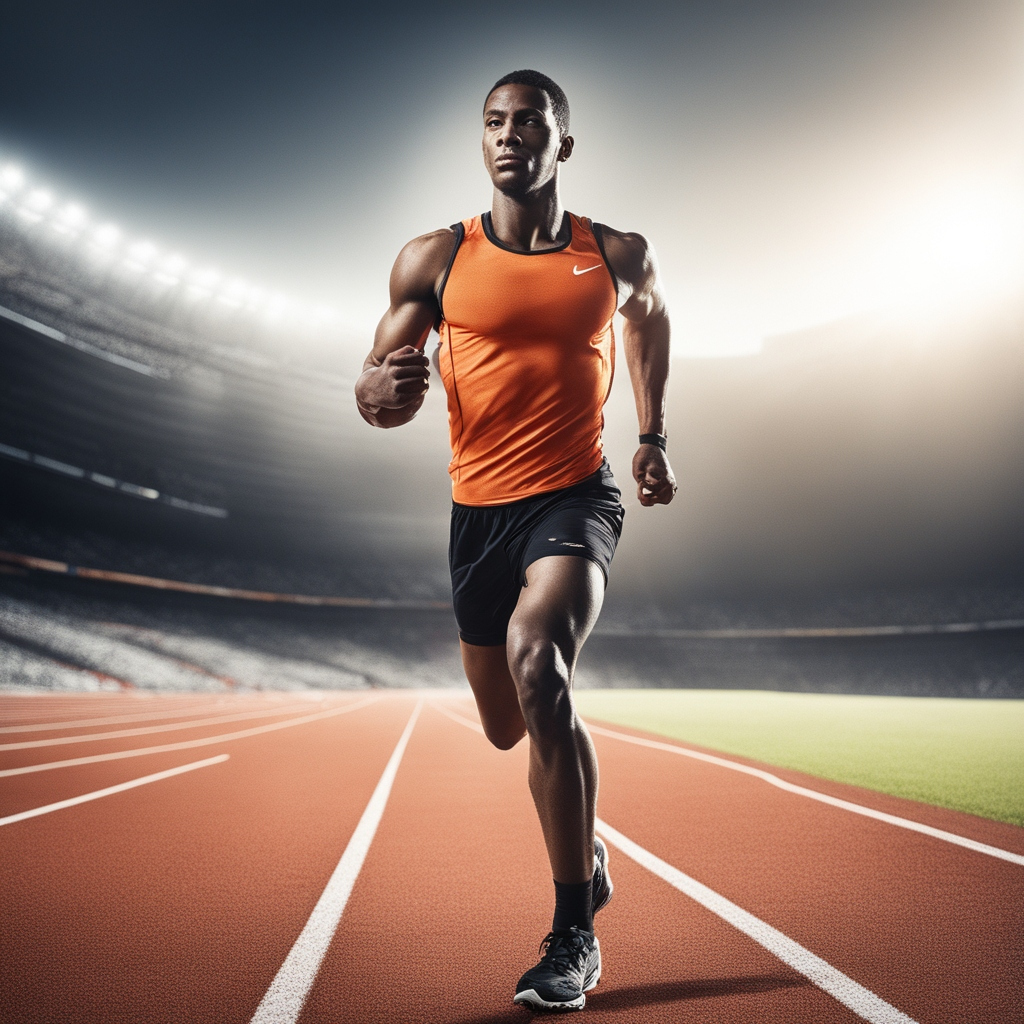
Do you know how to become an elite athlete and who can benefit from achieving this level of performance, that isn’t just based on physical ability. Being an elite athlete in your chosen sport, makes a statement of commitment and dedication. It shows you are balanced and you’ve made the choice to step up!
How to Become an Elite Athlete
Mindset – The Foundation of Elite Performance
Becoming an elite athlete isn’t just about physical prowess, it starts in the mind. Mental strength drives consistency, focus, and resilience.
Key Traits of Elite Mindsets
- Resilience: Bounce back from setbacks and keep moving forward.
- Persistence: Commit to daily practice, even when progress feels slow.
- Grit: Push beyond perceived limits and embrace challenges as opportunities.
Pro Tip: When the going gets tough, remember it’s not your muscles that carry you, it’s your mindset. Mental conditioning is as important as physical training.

How to Become an Elite Athlete – Understanding Your Body Type
Not every athlete is built the same. Your genetics, body structure, and natural strengths influence training potential.
Tailoring Training to Your Physique
- Sprinters & Power Athletes: Focus on explosive strength, plyometrics, and short-duration high-intensity workouts.
- Endurance Athletes: Emphasize aerobic conditioning, stamina training, and efficient movement patterns.
- Young Athletes: Support developing bodies with gradual introduction to strength, flexibility, and cardio routines.
Pro Tip: Recognizing your strengths and limitations early reduces injury risk and maximizes potential.
Nutrition – Fuelling for Peak Performance
Elite athletes understand that training is only part of the equation, nutrition drives results.
Core Principles of Elite Athlete Nutrition
Nutrient Role Examples
Protein Muscle repair & growth Lean meats, eggs, dairy, legumes
Carbohydrates Energy & glycogen replenishment Whole grains, fruits, starchy vegetables.
Healthy Fats Hormonal balance & endurance Nuts, seeds, avocado, olive oil
Hydration Muscle function & recovery Water, electrolyte beverages
Pro Tip: Adjust your intake based on training intensity. Heavy training days need more carbohydrates; recovery days may emphasize protein and fats.
How to Become an Elite Athlete – The Power of Support Systems
No athlete reaches the top alone. Coaches, mentors, family, and peers provide guidance, motivation, and accountability.
- Coaches offer technical feedback and structured programs.
- Mentors provide perspective and mental strategies for growth.
- Family & Friends keep morale high and offer emotional stability.
Pro Tip: Cultivate relationships that challenge you positively and provide constructive feedback.
Setting Goals – Mapping Your Elite Journey
Goal-setting transforms ambition into actionable steps.
Effective Goal-Setting for Elite Athletes
- Short-term goals: Achieve weekly performance improvements (e.g., faster sprint times, higher lifts).
- Medium-term goals: Track seasonal progress and refine techniques.
- Long-term goals: Define ultimate objectives, like qualifying for competitions or reaching personal bests.
Pro Tip: Personal goals should reflect your journey, not someone else’s. Tailor milestones to your strengths and lifestyle.
Tailored Training for Males, Females, and Young Adults
Physiological differences matter. Training programs should respect these while maximizing performance.
Males
- Benefit from higher intensity strength training due to testosterone levels.
- Focus on power, explosive movements, and muscle hypertrophy.
Females
- Emphasize agility, endurance, and functional strength.
- Integrate plyometrics and mixed-modality workouts for overall performance.
How to Become an Elite Athlete – Young Adults
- Gradual, age-appropriate introduction to full training routines.
- Focus on coordination, balance, flexibility, and injury prevention.
Preventing Injuries – Train Smart
Elite athletes prioritize injury prevention as much as performance.
Common Risks and Prevention
Athlete Type Common Injuries Prevention Strategies
Males & Females: Knee & ankle injuries Proper footwear, dynamic warm-ups, correct technique.
Adolescents: Growth-related injuries (e.g., Osgood-Schlatter) Gradual load progression, supervision, mobility work.
Pro Tip: Use proper gear, track form, and incorporate recovery to stay consistent over time.
Psychological Well-Being
Mental health is critical for sustained elite performance. Stress management, mindfulness, and mental resilience exercises keep motivation high and burnout low.
- Include relaxation techniques like meditation or breathing exercises.
- Schedule mental rest days alongside physical recovery.
- Celebrate progress, big or small, to maintain morale.

How to Become an Elite Athlete – Tracking Progress
Consistently monitoring performance helps you identify strengths, weaknesses, and growth opportunities.
- Use journals or apps to log workouts, times, distances, or personal bests.
- Reflect on setbacks to understand what adjustments are needed.
- Celebrate small wins to maintain motivation and reinforce discipline.
Actionable Takeaways
- Train your mind and body, both are essential for elite performance.
- Understand your unique body type and tailor your training accordingly.
- Fuel with purpose: balanced nutrition and hydration are non-negotiable.
- Build a support system to guide, encourage, and challenge you.
- Prevent injuries through smart progression, proper form, and recovery.
- Track, reflect, and celebrate progress consistently.
The Final Word On How to Become an Elite Athlete
Becoming an elite athlete is a journey, not a destination. It demands discipline, persistence, and a mindset geared toward growth. With the right approach to training, nutrition, recovery, and mental resilience, you can reach heights you once thought impossible.
Push your limits, respect your body, and embrace the grind, your elite self is waiting. Your journey is our journey, your comments and success stories are welcome.
Ultimate Training Gear