What are examples of healthy living and are these examples you can follow? Everyone, should want to keep healthy and there’s many ways we should be trying to improve our lifestyle. Take regular exercise, consume a regular supply of vegetables, be aware of our mental health, monitor our water intake, and get 7 to 9 hours of sleep.
These are basic guidelines we should be living too and most of us are following these guidelines naturally. But for those of us, who are unaware this post is just a little nudge in the right direction. You’ll find all the answers below to, what are examples of healthy living below.
What Are Examples Of Healthy Living
What Are Examples of Healthy Living – A Complete Guide to Wellness
Living a healthy life goes beyond occasional workouts or eating salad. True wellness combines physical, mental, and emotional habits into a lifestyle that supports long-term well-being. So, what are examples of healthy living, and how can you incorporate them into your daily routine? Let’s explore some of the most practical and impactful ways to live healthfully.

1. Eating Right – Fuelling Your Body and Mind
Eating well lays the foundation for a healthy life. A balanced diet isn’t about strict limitations or deprivation, it’s about feeling energized, improving overall health, and sustaining long-term wellness.
Balanced nutrition involves both macronutrients like proteins, carbohydrates, and fats, and micronutrients such as vitamins and minerals. Think of them as building blocks, each playing a crucial role in your health.
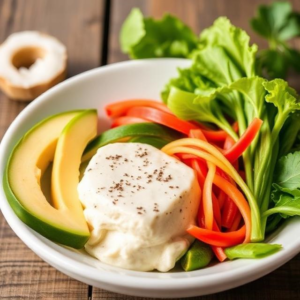
Whole foods, fruits, vegetables, nuts, and whole grains, should be staples. These foods provide essential nutrients without the additives or empty calories found in processed options. A colourful plate isn’t just visually appealing; it ensures a variety of vitamins, minerals, and antioxidants that support your body’s functions.
Mindful eating is another powerful tool. Slowing down, savouring each bite, and eating intentionally can improve digestion, prevent overeating, and make meals more satisfying. Try focusing on your food instead of screens, and notice how it changes your eating habits.
Meal planning can also be a game-changer. Even simple weekly plans help you stay consistent, introduce variety, and reduce the stress of last-minute decisions. Balanced, nutritious meals don’t have to be complicated, they just need to support your energy and wellness goals.
2. Embracing Physical Activity – Moving for Health and Happiness
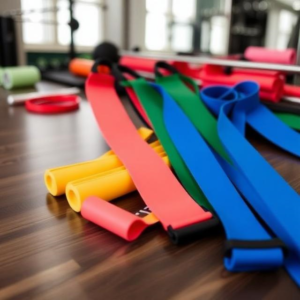
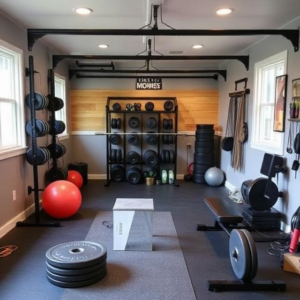
Exercise is key for both physical and mental well-being, and it doesn’t have to involve punishing workouts. The trick is to find movement you enjoy, dance, swimming, cycling, hiking, or even gardening all count.
A balanced fitness routine ideally includes:
- Cardio: Boosts heart health and endurance.
- Strength training: Builds muscle, supports bone density, and boosts metabolism.
- Flexibility exercises: Improves mobility, prevents injuries, and reduces muscle tension.
Setting realistic goals, like a 30-minute walk five days a week or a weekly yoga session, makes fitness manageable and sustainable.
Exercise is also a natural mood booster. Physical activity triggers endorphins, which help reduce stress and improve mental clarity. And don’t forget rest and recovery—your body needs time to heal, adapt, and get stronger. Listening to your body is as important as the workout itself.
3. Prioritizing Mental Well-Being – Mindfulness and Stress Management
Mental wellness is just as vital as physical health. It shapes how we think, feel, and interact with the world. Neglecting mental health can throw your entire well-being off balance.
Mindfulness practices are a simple yet powerful way to stay grounded. Whether it’s focusing on your breath, journaling, or expressing gratitude, mindfulness reduces stress and enhances emotional resilience.
Stress is unavoidable, but managing it effectively is key. Identify triggers, adopt coping strategies such as deep breathing or meditation, and prioritize activities that calm your mind.
Social support is also critical. Strong relationships with friends, family, or community provide emotional stability and a sense of belonging. Surround yourself with people who uplift you, and don’t hesitate to lean on them in times of need.
Finally, sleep is non-negotiable. Quality rest rejuvenates both body and mind, enhancing focus, memory, and overall mood. Establishing a consistent sleep routine supports every aspect of your health.
4. Building Healthy Habits – Small Steps for Big Changes
Living healthily isn’t just about big actions, it’s about consistent, sustainable habits. Examples include:
- Drinking plenty of water throughout the day.
- Limiting processed foods and added sugars.
- Taking regular breaks to stretch during sedentary work.
- Scheduling “screen-free” time for mental rest.
- Engaging in hobbies or creative activities for emotional fulfilment.
These small, deliberate steps accumulate over time, creating a foundation for long-term wellness.

5. What Are the Examples of Healthy Living – Preventive Care
Another key example of healthy living is preventive health care. Regular check-ups, screenings, and vaccinations allow you to detect and address issues early. Listening to your body, recognizing warning signs, and acting proactively can prevent minor issues from turning into major problems.
Preventive care also includes healthy lifestyle choices, balanced nutrition, regular exercise, and stress management, to minimize the risk of chronic diseases like diabetes, heart disease, or obesity.
Final Thoughts – Incorporating Healthy Living into Daily Life
So, what are examples of healthy living? They range from eating nutrient-rich foods and staying active to managing stress, nurturing social connections, and prioritizing preventive care.
Healthy living isn’t a single action, it’s a lifestyle built on small, consistent choices that support both body and mind. Start with one habit, build momentum, and expand gradually. Over time, these choices add up, creating a life full of energy, resilience, and well-being.
Drop us a comment in between your favourite tipple. Thank you.
Ultimate Training Gear.