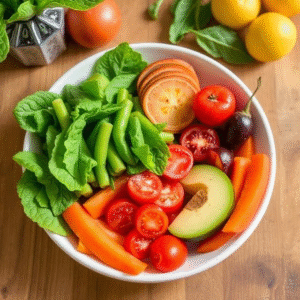
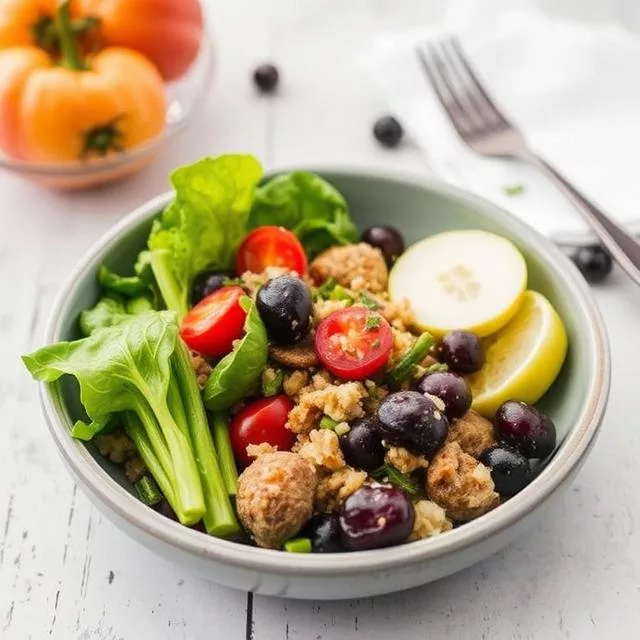
The question is what to eat for strength? Food is important for us in many ways, other than making us feel full. Food will help our body to repair damaged muscle fibres, help reduce muscle soreness and the right types of food can help us loose or gain weight.
But food can also help us gain weight healthily, depending on what we eat. Keep reading to see what food can do for you.
What To Eat For Strength
The Ultimate Nutrition Guide
Nutrition really sets the stage for building strength. Training may break down muscle fibres, but food is what repairs and rebuilds them. If, your goal is to lift heavier, recover faster, or simply feel stronger in daily life, knowing what to eat for strength can be just as important as your workout routine.
Understanding Macronutrients for Strength
Macronutrients are the core building blocks of strength-focused nutrition. They provide energy and the raw materials your body needs to repair, grow, and perform.
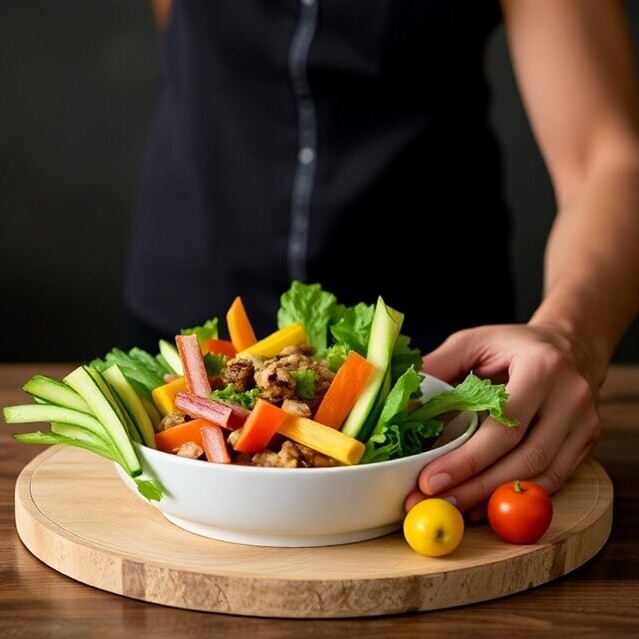
Protein – The Repair Crew
Protein is often crowned the king of strength nutrition, and for good reason. Beyond muscle growth, protein supports recovery, reduces post-workout soreness, and helps your body adapt to training stress.
- Best protein sources: lean meats, eggs, Greek yogurt, fish, tofu, beans, and protein powders.
- Daily intake: Most people aiming to build strength thrive on 1.6–2.2 grams of protein per kilogram of bodyweight.
Carbohydrates – Fuel for Performance
Carbs are your body’s primary energy source, especially during strength training and explosive movements. Think of them as the battery that powers your lifts.
- Best carb sources: brown rice, oats, whole-grain bread, sweet potatoes, fruits, and legumes.
- Quick tip: Prioritize complex carbs for sustained energy, but don’t ignore simple carbs like fruit before workouts for quick fuel.
Fats – The Hormone Regulators
Healthy fats are often misunderstood, but they’re essential for hormone production, nutrient absorption, and long-term energy. Without them, building strength becomes harder.
- Best fat sources: avocados, nuts, seeds, olive oil, fatty fish, and nut butters.
Micronutrients – The Unsung Heroes of Strength
While macros get most of the spotlight, micronutrients (vitamins and minerals) keep the entire strength-building machine running smoothly.
- Iron: Supports oxygen transport, essential for endurance and recovery.
- Calcium & Vitamin D: Strengthen bones and aid muscle contraction.
- Magnesium: Helps with energy metabolism and reduces muscle cramps.
- Zinc: Key for hormone regulation and immune support.
Aim for a colourful diet with fruits, vegetables, nuts, and whole grains to cover your micronutrient bases.
What To Eat For Strength – Pre and Post-Workout Meals
Pre-Workout Nutrition
Your pre-workout meal should energize you without weighing you down.
- Examples: banana with peanut butter, oatmeal with protein powder, rice cakes with turkey slices.
- Timing: Eat 60–90 minutes before exercise for best results.
Post-Workout Nutrition
After training, your body is primed to refuel and repair. Combining protein and carbs within 30–60 minutes maximizes recovery.
- Examples: grilled chicken with quinoa, salmon with sweet potato, or a smoothie with protein powder, banana, and oats.

Hydration and Electrolytes for Strength
Strength isn’t just about solid food, hydration matters too. Dehydration can lower performance and increase cramping risk.
- Water: Aim for steady intake throughout the day, not just during workouts.
- Electrolytes: Replenish sodium, potassium, and magnesium if you sweat heavily. Coconut water or electrolyte tablets can be helpful.
Supplements That Support Strength
Supplements aren’t mandatory, but some can help fill nutritional gaps:
- Whey protein: Convenient for hitting protein targets.
- Creatine: One of the most researched supplements for strength and power.
- BCAAs: May help reduce muscle breakdown during training.
- Vitamin D: Essential if you don’t get much sun exposure.
Always prioritize whole foods first, then consider supplements as add-ons.
Meal Timing and Strength Gains
Meal timing can influence how much energy you have in the gym and how quickly you recover.
- Balanced meals: Spread protein and carbs across 3–5 meals daily.
- Before workouts: Light, carb-focused snacks.
- After workouts: Protein + carbs for recovery.
What To Eat For Strength on a Plant-Based Diet
Building strength on a vegan or vegetarian diet is absolutely possible with mindful planning.
Plant-Based Protein Sources
- Lentils, chickpeas, quinoa, tofu, tempeh, and seitan.
- Combine different sources to ensure a complete amino acid profile.
Meeting Calorie Needs
Plant-based foods can be less calorie-dense, so larger portions or high-calorie additions (like nut butters, seeds, or olive oil) may be necessary.
Nutrients to Watch
- Vitamin B12: Supplement or choose fortified foods.
- Iron: Boost absorption by pairing plant-based iron (beans, lentils, spinach) with vitamin C-rich foods (citrus, peppers).
What To Eat For Strength – Snack Ideas
Strength-building doesn’t just happen at main meals, smart snacks help too.
- Greek yogurt with berries and granola
- Hummus with whole-grain pita
- Homemade energy balls with oats, nut butter, and seeds
- Cottage cheese with pineapple
- Trail mix with nuts and dried fruit
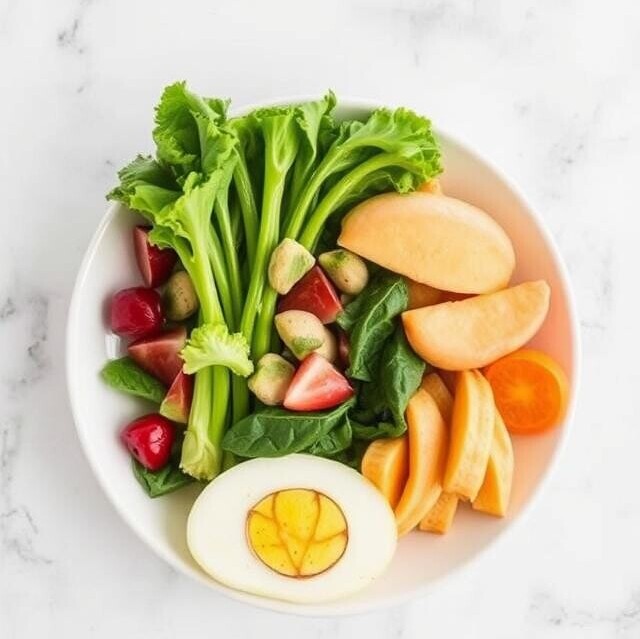
FAQs on What To Eat For Strength
1. Do I need protein shakes to build strength?
Not necessarily, protein shakes are convenient, but whole foods like eggs, chicken, beans, and tofu work just as well.
2. Can I get strong without eating meat?
Yes, plant-based athletes can build incredible strength by combining protein-rich plants and ensuring adequate calories.
3. How much water should I drink per day for strength?
A general guideline is 2–3 litres per day, but increase intake if you sweat heavily or train in hot conditions.
Final Thoughts on What To Eat For Strength
Strength isn’t built in the gym alone, it’s built in the kitchen too. By focusing on a balance of macronutrients, prioritizing recovery meals, staying hydrated, and considering individual needs (whether plant-based or not), you’ll fuel your body for maximum performance.
I hope you’ve enjoyed this post, leave me a comment below.
Ultimate Training Gear