
Discover how to train like an athlete not a bodybuilder. Shift from muscle size to performance-driven fitness with functional training, balanced nutrition, and recovery habits that build strength, agility, and endurance for life.
How to Train Like an Athlete Not a Bodybuilder
The Shift From Aesthetic to Athletic
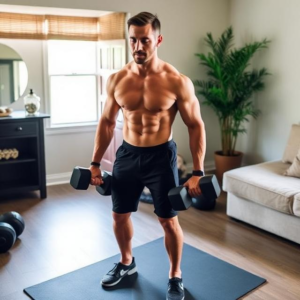
So, you’re thinking about swapping the dumbbells for a different kind of workout strategy? Good call. Training like an athlete is about function, not just form. While bodybuilding focuses on muscle size and symmetry, athletic training builds a body that’s strong, fast, and capable in real-world movement.
You don’t have to abandon the gym, just reimagine your purpose there. When you train like an athlete, the goal isn’t to look strong, it’s to be strong. You’ll develop endurance, agility, balance, and co-ordination that serve you both on and off the field.
Functional Fitness – The Foundation of Athletic Training
When athletes train, it’s not about how much weight they can lift, it’s about how efficiently their bodies perform under stress. This approach centers on functional fitness, preparing your muscles and joints for realistic, multi-directional movement.
Key Principles of Functional Training
- Compound movements first: Focus on squats, lunges, deadlifts, and pushes/pulls that recruit multiple muscle groups.
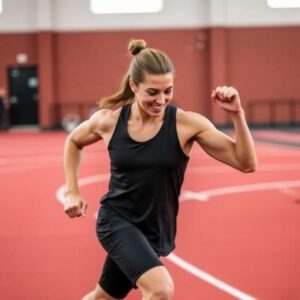
- Dynamic over static: Incorporate sprints, jumps, and plyometric work to simulate athletic effort.
- Balance and coordination: Include stability work like single-leg exercises, agility ladders, or medicine ball drills.
Example:
Think of a soccer player training with cone drills, weighted sled pushes, and explosive jumps versus a bodybuilder isolating biceps or triceps. One trains for performance, the other for appearance.
How to Train Like an Athlete Not a Bodybuilder – a Holistic Routine
Athletic training is about creating harmony between strength, speed, and mobility. A well-rounded plan improves performance, prevents injuries, and enhances long-term fitness.
Core Components of an Athletic Routine
Training Focus Example Exercises Primary Benefits
Strength – Squats, deadlifts, pull-ups – Power, endurance
Speed & Agility – Sprint intervals, cone drills, ladder work – Explosiveness, quickness
Flexibility & Mobility – Dynamic stretching, yoga, foam rolling – Injury prevention, recovery
Conditioning – HIIT, rowing, sled pushes – Cardiovascular health, stamina
Pro Tip: Rotate focus throughout the week, one day for heavy lifting, one for speed work, one for mobility. This variety keeps your training balanced and engaging.
Nutrition – The Fuel Behind Performance
You can’t train like an athlete and eat like a casual lifter. Nutrition directly affects energy levels, recovery, and performance outcomes.
How to Train Like an Athlete Not a Bodybuilder – Nutrition Basics
- Prioritize protein and complex carbs for muscle repair and sustained energy.
- Stay hydrated, even mild dehydration reduces performance.
- Don’t fear healthy fats, which support hormone balance and endurance.
- Recover smart: Within 30 minutes post-workout, combine protein + carbs (e.g., Greek yogurt and fruit, or a protein smoothie).
Example: A sprinter might eat high-carb meals to replenish glycogen stores, while a strength athlete emphasizes protein and nutrient timing for muscle recovery.
Recovery – The Secret Weapon of Champions
Athletes know progress happens during recovery, not just during training. Skipping recovery can stall performance or lead to injury.
How to Train Like an Athlete Not a Bodybuilder – Recovery Strategies
- Active recovery: Light movement like walking, swimming, or cycling.
- Mobility sessions: Yoga or stretching to enhance flexibility.
- Self-myofascial release: Foam rolling or massage to reduce tension.
- Sleep optimization: Aim for 7–9 hours per night to support hormonal balance and muscle repair.
Customizing Athletic Training for Every Body
Training isn’t one-size-fits-all. The best athletic programs adapt to age, gender, and experience.
For Teens (15+): Building Fundamentals
- Prioritize form and technique over intensity.
- Include multi-sport movements to develop co-ordination and body awareness.
- Maintain flexibility training to complement growth phases.
For Women and Men – Breaking Stereotypes
While physiology can influence performance, athletic ability is not gender-bound.
- Focus on individual goals, not gender norms.
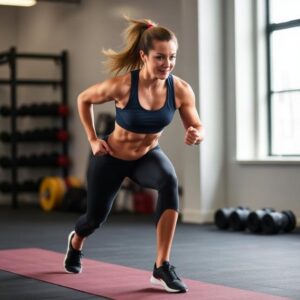
- Strength, agility, and endurance training benefit everyone equally.
- Encourage inclusive environments that support all athletes.
For Beginners and Experienced Athletes
- Beginners: Start with foundational patterns (push, pull, squat, hinge). Progress gradually.
- Experienced athletes: Use advanced drills, progressive overload, and sport-specific movements to challenge performance.
Expert Tip: Regular assessments from a qualified coach can reveal imbalances or inefficiencies and help fine-tune progress.
Mindset – Train for Life, Not Just the Mirror
Athletic training isn’t just about how you move, it’s about how you think. Athletes cultivate resilience, focus, and discipline that translate beyond the gym.
- Set performance-based goals, not appearance-based ones.
- Track progress with metrics like sprint times, mobility gains, or endurance tests.
- Celebrate consistency, true athleticism comes from dedication, not perfection.
How to Train Like an Athlete Not a Bodybuilder – Actionable Takeaways
- Prioritize function and performance over aesthetics.
- Build a balanced weekly routine covering strength, speed, and recovery.
- Fuel your body with purposeful nutrition.
- Listen to your body, recovery is training too.
- Stay consistent and enjoy the process.
Conclusion On How to Train Like an Athlete Not a Bodybuilder
Training like an athlete means training for capability, not just appearance. It’s about mastering movement, fueling performance, and embracing the mindset that fitness is a lifelong pursuit. Whether you’re chasing a faster sprint, a stronger lift, or simply better health, think like an athlete, move with intention, eat with purpose, and recover like a pro.
The steps are here for you, all that is required now is action! Please leave all comments and questions below.
Ultimate Training Gear