Build your home gym correctly, with a home gym setup guide UK. Discover what you should be doing, and what you shouldn’t be doing but more importantly why. Building a home gym has many benefits to your body, your health, and your pocket.
But only if you have a plan, that you implement to the letter. This post is your plan to creating a safe functional home gym, in your own time.
With over 40 years in sport and training at international level, I focus on what actually works, not just what’s trending.
Home Gym Setup Guide UK
Build the Perfect Workout Space at Home
Creating a home gym in the UK isn’t about copying a commercial fitness centre. It’s about building a workout space that fits your lifestyle, your budget, and the space you actually have available.
Whether you’ve got a spare bedroom, garage, garden room, or just a corner of your living room, you can build a home gym that helps you stay consistent without spending thousands of pounds. The biggest mistake most beginners make isn’t buying too little equipment…
It’s buying too much before they know what they’ll actually use.
This guide will show you how to build a practical, affordable home gym that grows with your fitness journey instead of emptying your wallet on day one.
Step 1: Decide What You Want Your Home Gym To Do
Before buying a single piece of equipment, ask yourself one simple question:
“What do I actually want to achieve?”
Your answer affects every purchase you make.
For example:
- Build muscle
- Lose body fat
- Improve general fitness
- Increase mobility
- Train for sport
One of the biggest reasons people regret home gym purchases is because they buy equipment before deciding on their goals.
Related article: The 7 Home Gym Purchases Most People Regret
Step 2: Choose the Right Space (Even Small UK Homes Work)
One of the biggest myths is that you need a dedicated gym room.
You don’t.
Many excellent home gyms are built in spaces no bigger than a parking space.
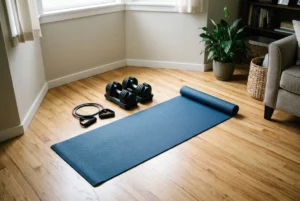
Home Gym Setup Guide UK – Great locations include:
- Spare bedroom
- Garage
- Garden office
- Conservatory
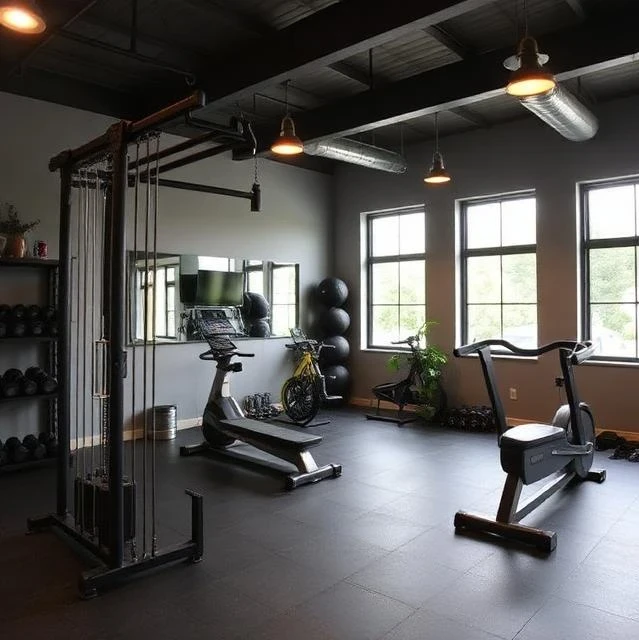
- Living room corner
- Loft conversion
If, you’re renting, portable equipment such as adjustable dumbbells and resistance bands lets you create an effective gym without making permanent alterations.
Remember: A small gym that’s used four times a week beats a huge gym that’s rarely used.
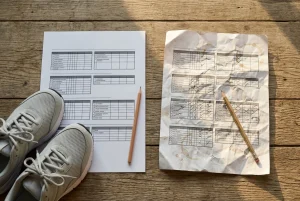
Step 3: Plan Before You Buy
This is where many beginners lose money. They buy equipment because it’s on offer, not because they need it.
Before purchasing anything, ask:
- Will I realistically use this every week?
- Does it replace several pieces of equipment?
- Will it still be useful in a year’s time?
- Does it fit my available space?
If, the answer is “no” to most of these questions, don’t buy it yet.
Step 4: Build Your Equipment List (Start With The Essentials)
Forget trying to copy commercial gyms.
Start with equipment that gives you the biggest return for your money.
Home Gym Setup Guide UK – Adjustable Dumbbells
Still my number one recommendation.
Why?
Because they replace an entire rack of dumbbells while taking up very little room.
Perfect for:
- Beginners
- Strength training
- Fat loss
- Progressive overload
- Small home gyms
Related articles:
Resistance Bands
Resistance bands remain one of the best-value purchases you can make.
They’re ideal for:
- Warm-ups
- Mobility work
- Strength training
- Rehabilitation
- Travel workouts
They’re also an excellent first purchase if you’re building your gym on a tight budget.
Home Gym Setup Guide UK – Adjustable Bench
Once you’ve built consistency, an adjustable bench dramatically increases your exercise options.
Look for one that’s:
- Stable
- Foldable
- Easy to store
- Suitable for incline and flat exercises
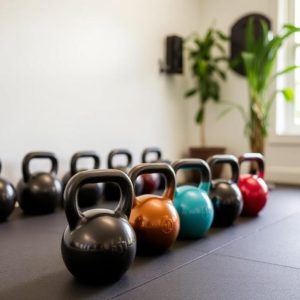
Kettlebell
A kettlebell adds another dimension to your training.
It’s excellent for:
- Full-body workouts
- Conditioning
- Functional strength
- Short, efficient sessions
Cardio Equipment (Buy Later)
Many beginners think they need a treadmill straight away.
Most don’t.
Before investing in expensive cardio machines, consider:
- Skipping rope
- Bodyweight circuits
- Walking
- Kettlebell workouts
Only upgrade when you know you’ll use larger equipment consistently.
Step 5: Don’t Ignore Flooring
Flooring is one purchase people often regret skipping.
Good flooring:
- Protects your equipment
- Protects your joints
- Reduces noise
- Protects your floors
Good options include:
- Rubber tiles
- Horse stall mats
- Exercise mats
If, you’re lifting weights regularly, proper flooring quickly pays for itself.
Step 6 – Keep Your Home Gym Organised
A tidy gym makes workouts easier to start.
Simple storage ideas include:
- Wall hooks for resistance bands
- Foldable benches
- Shelving units
- Dumbbell stands
- Storage boxes
The easier your equipment is to access, the more likely you are to use it.
Step 7 – Create A Space You Enjoy Using
Consistency often comes down to environment.
Small touches make a surprising difference:
- Bright lighting
- Mirror for checking form
- Bluetooth speaker
- Fan during summer
- Whiteboard to track workouts
Your home gym doesn’t need to look expensive.
It simply needs to make you want to train.
Home Gym Setup Guide UK – Build Your Home Gym In Stages
Instead of buying everything at once, spread the cost.
Stage One (£100–£300)
- Resistance bands
- Exercise mat
- Adjustable dumbbells
- Skipping rope
Stage Two (£300–£600)
Add:
- Adjustable bench
- Kettlebell
- Better storage
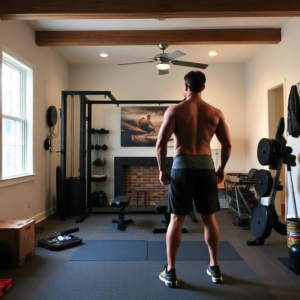
Stage Three (£600+)
Only after you’ve developed consistent habits should you consider:
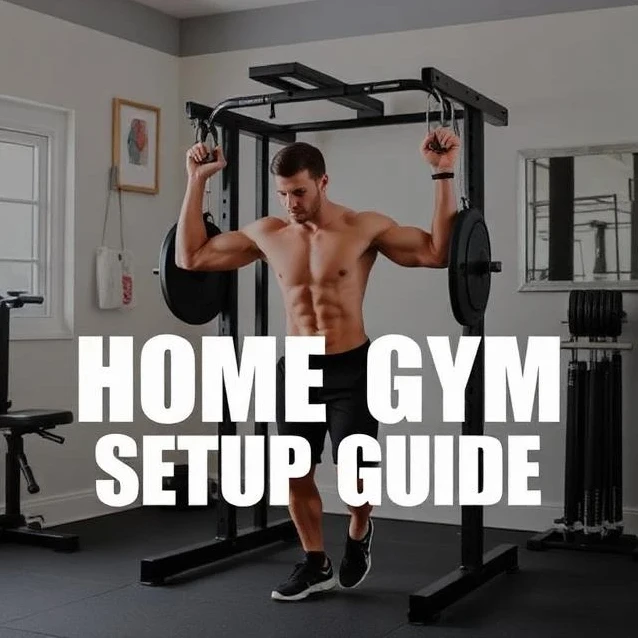
- Exercise bike
- Rowing machine
- Treadmill
- Power rack
Buying equipment gradually helps you avoid one of the most common beginner mistakes, owning equipment you never use.
Home Gym Setup Guide UK – Common Home Gym Mistakes
Avoid these expensive errors:
- Buying too much equipment too soon
- Choosing machines instead of versatile equipment
- Ignoring available space
- Buying cheap equipment that won’t last
- Thinking more equipment creates more motivation
Remember:
Your consistency creates results, not your shopping basket.
Last Words on Home Gym Setup Guide UK
Building a home gym isn’t about owning the most equipment, it’s about owning the right equipment.
Start with a few versatile pieces, train consistently, and let your gym grow alongside your experience. A small, well-planned setup will almost always outperform a room full of expensive machines that rarely get used.
After years involved in sport and coaching, I’ve found that the people who make the best long-term progress aren’t the ones with the biggest budgets. They’re the ones who build simple routines, make smart purchases, and stick with them. Like it, and share it, your comments are always welcome below.
Ultimate Training Gear
Post Related Links: