It’s time to look at how you’re working out, and how to improve it. Strength and conditioning education is the missing piece of the jigsaw, that no athlete should be without. When you’ve been involved in sport, competition and performance for over 45years, you tend to acquire knowledge, that others dream about.
In this post there’s nuggets of knowledge, and direction to help you start living your training, and competition dreams.
Strength And Conditioning Education
The Complete Guide to Science-Driven Performance Training
Strength and conditioning might sound like a fancy gym term, but it’s far more than just lifting weights. It’s a structured, science-driven system for building stronger, more resilient, and higher-performing humans. At its core, strength and conditioning blends biomechanics, physiology, coaching, and data to improve movement, durability, and performance.
Modern strength and conditioning takes a holistic approach, enhancing muscular strength, speed, power, mobility, energy systems, and injury resilience. Understanding the full spectrum of human movement is central to doing it well.
What used to be “just train harder” has evolved into “train smarter, measure better, recover properly, and adapt continuously.”

What Is Strength And Conditioning Education?
Strength and conditioning education is the structured study of how to design, deliver, and evaluate physical training programs that improve performance and health outcomes. It combines exercise science, coaching methodology, and applied programming.
It prepares professionals to:
- Assess movement and performance.
- Design progressive training plans.
- Apply sport science principles.
- Reduce injury risk.
- Improve athletic output
- Monitor adaptation and recovery.
- Adjust programs using data.
It’s education not just in what to train, but why, when, and how.
The Evolution of Modern Strength Training and Performance Science
Strength training once revolved around brute force and repetition. Better weight. More volume. More grind. Over time, research reshaped the field.
Advances in exercise physiology, biomechanics, and motor learning shifted the focus toward:
- Movement efficiency.
- Load management.
- Neuromuscular adaptation.
- Recovery science.
- Injury epidemiology.
- Sport-specific transfer.
Today’s high-level programs integrate testing, monitoring, and phased progression rather than random intensity. The result: better outcomes with lower long-term risk.
Core Principles Behind Strength And Conditioning Education
Every effective program rests on foundational principles. These are non-negotiable in professional strength and conditioning practice.
Progressive Overload
Adaptation requires gradually increasing training stress over time. This can come from:
- Load increases.
- Volume increases.
- Density changes.
- Complexity upgrades.
- Speed or power demands.
Without progression, adaptation stalls.
Specificity
Training adaptations are specific to the demands placed on the system. Sprinting improves sprinting. Max strength training improves max strength. Good programming respects the performance target.
Functional Movement
Functional training emphasizes movement patterns over isolated muscles:
- Squat.
- Hinge.
- Push.
- Pull.
- Rotate.
- Locomote.
- Carry.
This builds transferable strength and coordination.
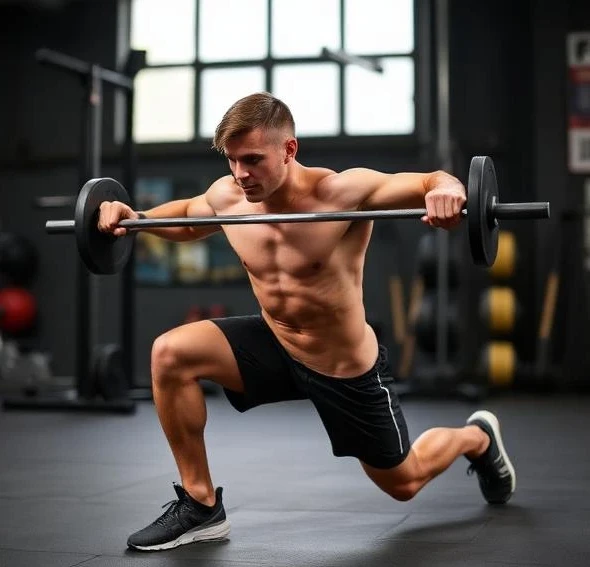
Periodization
Periodization organizes training into phases to optimize adaptation and peak performance timing. Common models include:
- Linear periodization.
- Undulating periodization.
- Block periodization.
- Conjugate sequencing.
Why Science Matters in Strength And Conditioning Education
High-quality strength and conditioning is evidence-guided, not trend-driven. That means programming decisions are informed by peer-reviewed research and validated coaching practice.
Professionals draw from:
- Exercise physiology.
- Biomechanics.
- Motor control.
- Skill acquisition.
- Recovery science.
- Load monitoring research.
Leading organizations like the National Strength and Conditioning Association publish research journals and standards that shape global best practice.
Science reduces guesswork and improves repeatable results.
Strength And Conditioning Education Pathways and Certifications
Entering the profession usually involves a mix of academic study and professional certification.
Widely recognized credentials include:
- Certified Strength and Conditioning Specialist from the National Strength and Conditioning Association.
- Performance certifications from the National Academy of Sports Medicine.
- Professional accreditation through the UK Strength and Conditioning Association.
- Collegiate credentials via the Collegiate Strength and Conditioning Coaches Association.
Strong degree backgrounds include:
- Exercise science.
- Kinesiology.
- Sport science.
- Human performance.
- Physical education.
Certifications signal competency, but applied coaching skill still matters enormously.
Career Opportunities in Strength And Conditioning Education
Career paths are broader than most people expect.
Common roles include:
- Team strength coach.
- Private performance coach.
- Tactical strength coach (military, police, fire)
- Rehabilitation performance specialist.
- Youth athletic development coach.
- University performance staff.
- Sports scientist.
- Performance analyst.
Settings range from elite sport to general population health to return-to-play environments.
Hybrid careers, coach + data analyst + educator, are becoming more common as performance tech grows.
Technology’s Role in Strength And Conditioning Education
Technology is reshaping how coaches measure and prescribe training.
Key tools now include:
- Velocity-based training devices.
- Force plates.
- GPS tracking.
- Heart rate variability monitoring.
- Wearable load trackers.
- Athlete management systems.
- Motion capture apps.
Education programs increasingly teach data literacy, because collecting numbers without interpretation is useless. Coaches must understand what metrics mean and how to act on them.
Strength And Conditioning Education and Injury Prevention
One of the most undervalued benefits of structured strength and conditioning is injury reduction.
Well-designed programs improve:
- Tissue tolerance
- Joint stability.
- Movement control.
- Load capacity.
- Deceleration strength.
- Neuromuscular timing.
Education emphasizes screening, regression, progression, and load management, not just performance output.
The goal isn’t only making athletes better, it’s keeping them available.
Ethics and Professional Standards in Strength And Conditioning Education
Ethical coaching is performance coaching that protects the athlete first.
Professional standards include:
- Evidence-based programming.
- Scope-of-practice awareness.
- Informed consent.
- Safe progression.
- Honest assessment.
- No performance shortcuts that risk health.
- Appropriate referral to medical professionals.
Ethics also includes communication, setting realistic expectations and avoiding exaggerated claims.
The Role of Nutrition and Psychology in Strength And Conditioning Education
Performance doesn’t come from training alone.
Modern education integrates:
Nutrition fundamentals
- Energy balance.
- Protein intake.
- Hydration.
- Fuel timing.
- Recovery nutrition.
Performance psychology
- Motivation strategies.
- Arousal control.
- Confidence building.
- Habit formation.
- Adherence coaching.
The best coaches don’t just program sets and reps, they coach behavior.
Continuing Professional Development in Strength And Conditioning Education
This field evolves quickly. Ongoing education separates average practitioners from high-level professionals.
Continuing development includes:
- Research review.
- Workshops.
- Conferences.
- Applied internships.
- Mentorship.
- Case study analysis.
- Practical coaching hours.
Top coaches treat learning like training, continuous and progressive.
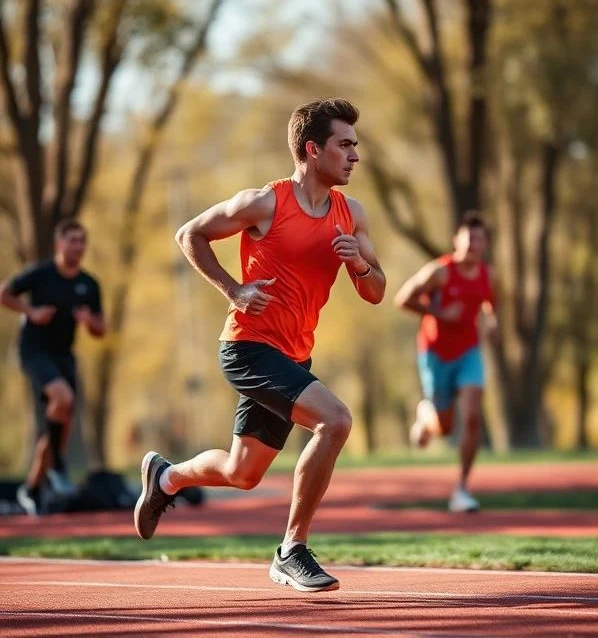
Building a Learning Community in Strength And Conditioning
Strength and conditioning grows stronger through shared knowledge. Professional communities accelerate learning through:
- Peer review.
- Case discussion.
- Program critique.
- Data sharing.
- Collaborative research.
- Coaching roundtables.
No coach improves in isolation. Community sharpens standards.
Strength And Conditioning Education for Long-Term Athletic Development
For sports enthusiasts who train year-round, long-term planning matters.
Sustainable development includes:
- Annual training calendars.
- Deload weeks.
- Off-season strength focus.
- Pre-season power conversion.
- In-season maintenance blocks.
- Injury monitoring cycles.
This macro-level planning transforms short-term progress into multi-year development.
How Strength And Conditioning Education Helps Sports Enthusiasts Train Smarter
For sports enthusiasts, strength and conditioning education isn’t just for professionals, it directly improves how you train, recover, and compete. Understanding core training principles helps you avoid wasted effort and plateau cycles.
When you understand structured performance training, you can:
- Build sport-specific strength instead of general fatigue.
- Improve speed and power output.
- Reduce overuse injuries.
- Plan training seasons instead of random workouts.
- Balance skill practice with physical preparation.
- Track measurable performance gains.
Even recreational athletes benefit from structured programming models used in elite sport.
Strength And Conditioning Education vs General Fitness Training
General fitness training focuses on overall health and activity. Strength and conditioning education focuses on measurable performance outcomes.
General fitness goals:
- Weight loss.
- General strength.
- Cardiovascular health.
- Lifestyle activity.
Strength and conditioning goals:
- Power output.
- Speed development.
- Force production.
- Movement efficiency.
- Competitive readiness.
- Injury resilience.
This distinction matters for sports enthusiasts who want performance results, not just workouts.
Sample Weekly Training Split in Strength And Conditioning Education
Sports enthusiasts often ask, “What does a real performance-based week look like?” Here’s a balanced example used in athletic performance development:
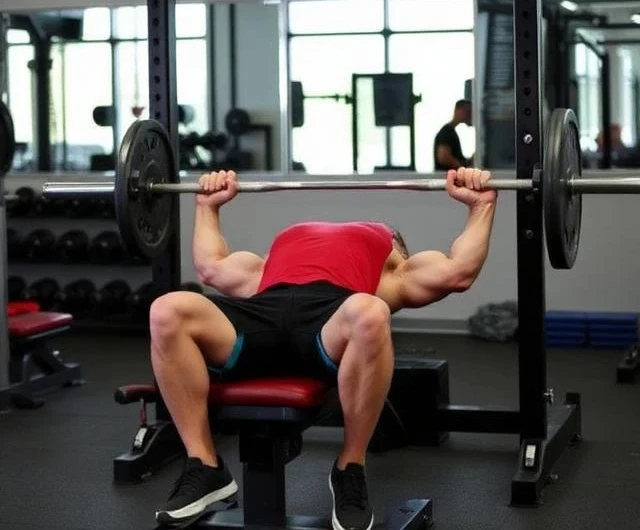
Day 1 – Lower Body Strength + Acceleration
- Primary lift (e.g., squat variation).
- Posterior chain accessory work.
- Short sprint work (10–20m).
- Core stability.
Day 2 – Upper Body Strength + Power
- Press variation.
- Pull variation.
- Medicine ball throws.
- Shoulder integrity work.
Day 3 – Recovery / Mobility / Aerobic Base
- Low-intensity conditioning.
- Mobility flow.
- Tissue quality work.
- Technical skill practice.
Day 4 – Lower Body Power + Change of Direction
- Olympic lift variation or jump training.
- Reactive plyometrics.
- Agility drills.
- Hamstring injury-prevention work.
Day 5 – Upper Body Speed + Conditioning
- Dynamic effort pressing.
- Explosive rows or pulls.
- Energy system intervals.
- Core rotation work.
This structure balances strength, power, conditioning, and recovery, which is foundational in strength and conditioning education.
A 12-Week Strength And Conditioning Education Periodization Example
Structured progression separates serious training from random workouts.
Phase 1: Foundation (Weeks 1–4)
Focus:
- Movement quality.
- Aerobic base.
- Structural strength.
- Moderate volume, moderate load.
Goal: Build work capacity and correct imbalances.
Phase 2: Strength Development (Weeks 5–8)
Focus:
- Increased intensity.
- Lower rep ranges.
- Progressive overload.
- Speed mechanics.
Goal: Improve maximal force production.
Phase 3: Power & Performance (Weeks 9–12)
Focus:
- Explosive lifts.
- Reduced volume.
- Sport-specific speed.
- Peak readiness.
Goal: Convert strength into usable performance.
This phased model reflects principles promoted by leading organizations like the National Strength and Conditioning Association and global governing bodies such as the UK Strength and Conditioning Association.
Athletic Performance Testing in Strength And Conditioning Education
Sports enthusiasts should track performance like athletes, not just body weight or aesthetics.
Simple performance markers include:
Strength Tests
- 3–5 rep max squat or trap bar deadlift.
- Upper body press variation.
- Pull-up max reps.
Power Tests
- Vertical jump.
- Broad jump.
- Medicine ball chest throw.
Speed Tests
- 10m sprint.
- 20m sprint.
- 5-10-5 agility drill.
Conditioning Tests
- Yo-Yo intermittent recovery test.
- Repeated sprint ability.
- Timed interval efforts.
Tracking these metrics gives objective feedback and reinforces the educational component of structured training.
Common Mistakes Sports Enthusiasts Make Without Strength And Conditioning Education
Even motivated athletes often sabotage progress. Here are the biggest pitfalls:
1. Chasing Fatigue Instead of Adaptation
Being exhausted is not the same as improving performance.
2. No Structured Periodization
Random workouts lead to plateaus and overuse injuries.
3. Ignoring Recovery
Sleep, nutrition, and stress management drive adaptation.
4. Copying Elite Athletes Blindly
Programs must match individual readiness and training age.
5. Neglecting Mobility and Deceleration Strength
Most non-contact injuries occur during braking and change of direction.
Strength and conditioning education teaches you how to avoid these errors by understanding the “why” behind training decisions.
Strength And Conditioning Education – Frequently Asked Questions
Is strength and conditioning only for athletes?
No. While widely used in sport, strength and conditioning principles benefit anyone who wants structured, progressive, and science-based training.

How is strength and conditioning different from personal training?
Strength and conditioning focuses more on performance metrics, periodization, and sport transfer, while personal training often emphasizes general fitness goals.
Do sports enthusiasts need periodization?
Yes. Even non-professional athletes benefit from phased training to manage fatigue and improve long-term progress.
How long does it take to see results from structured performance training?
Most people see measurable strength and movement improvements within 6–8 weeks when training and recovery are properly managed.
The Future of Strength And Conditioning Education in Sports Performance
The field continues to evolve rapidly.
Emerging trends include:
- Velocity-based training systems.
- Force plate diagnostics.
- GPS-based workload tracking.
- Data-driven fatigue management.
- Individualized recovery prescriptions.
Technology enhances coaching, but education ensures it’s applied correctly.
Professionals aligned with global standards from organizations like the Collegiate Strength and Conditioning Coaches Association and the National Academy of Sports Medicine continue shaping best practices worldwide.
If, you’re like us, your training, and your performance matters. We would love to hear how this post has affected your performance.
Ultimate Training Gear.