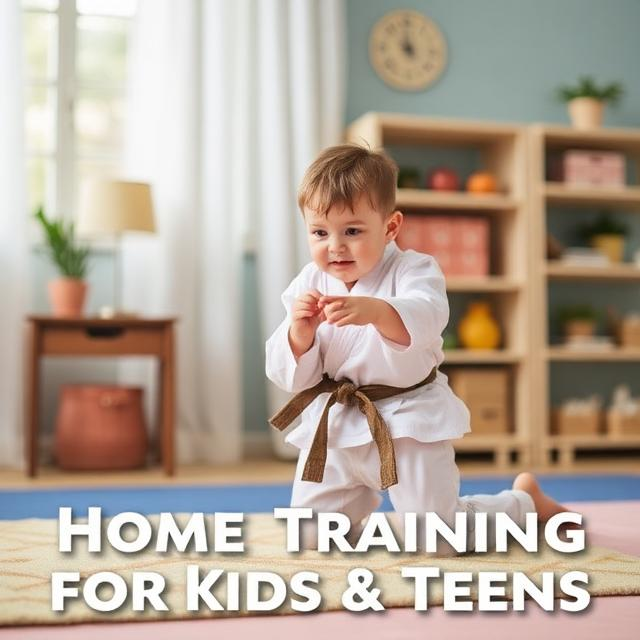
Home training for kids & teens is a unique subject that does require the attention of all parents. Training at home is not just about being fit, it’s also about creating healthy habits. In this post you’re going to find guidance in relation to helping your child improve their physical ability while at home, and the benefits for doing so.
Home Training for Kids & Teens (UK Guide)
Safe, Simple Fitness That Builds Confidence
Introduction: Why Training Young Matters (And Why It Must Be Done Right)
When it comes to fitness, children and teenagers aren’t just “small adults” – their bodies are developing, their confidence is forming, and their habits are being shaped for life.
From years of training and coaching, one thing stands out clearly:
A. The right kind of training builds confidence, discipline, and resilience.
B. The wrong approach can lead to injury, burnout, or loss of interest.
That’s why home training can be such a powerful tool. It removes pressure, creates a safe environment, and allows young people to develop at their own pace.
The goal isn’t intensity. It’s movement, consistency, and enjoyment
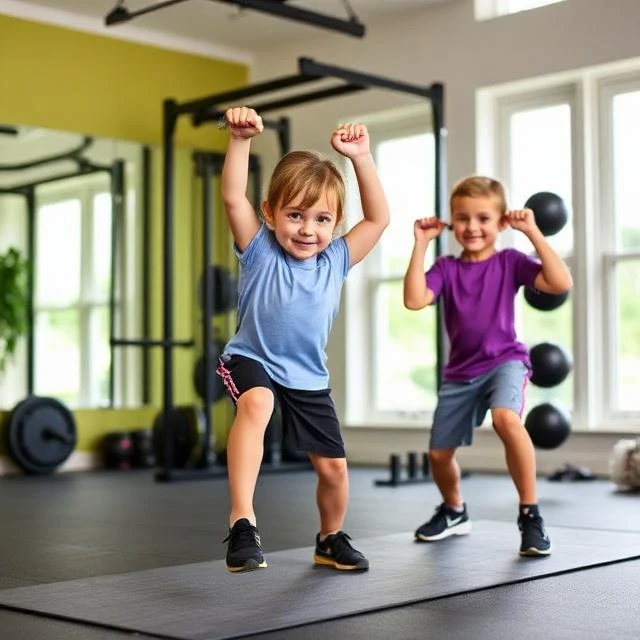
Creating a Safe and Effective Training Space at Home
You don’t need a full gym setup to get started.
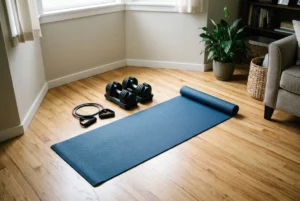
In fact, most of the best results come from simple, safe setups:
- Clear floor space for movement
- A non-slip mat
- Light, controlled equipment (like resistance bands)
- Supervision, especially for younger children
What Type of Training is Best for Kids and Teens?
For Children (Approx. 5–12 years)
Focus on:
- Balance and coordination
- Basic bodyweight movements
- Fun, game-based activity
Examples:
- Squats (bodyweight only)
- Light jumping drills
- Crawling, climbing, movement patterns
Keep it playful, this is about learning movement, not “working out”
Home Training For Kids & Teens – For Teenagers (13+ years)
Now we can introduce more structure:
- Bodyweight strength training
- Light resistance work
- Basic technique development
Safe options include:
- Resistance bands
- Light dumbbells (with supervision)
- Core stability exercises
Home Training For Kids & Teens – What to Avoid (This is Important)
This is where many people go wrong.
Avoid:
- Heavy weightlifting too early
- Poor form or unsupervised training
- Training to failure
- Overly intense routines
The focus should always be:
1. Control > weight
2. Technique > intensity
Home Training For Kids & Teens – Simple Beginner Routine (Safe & Effective)
Here’s a great starting point:
2–3 sessions per week
- Bodyweight squats × 10
- Incline push-ups × 8–10
- Resistance band rows × 10
- Plank hold × 20 seconds
- Light cardio (skipping, jogging, movement games)
Keep sessions:
- Short (15–25 minutes)
- Positive
- Consistent
Building Confidence Through Training
This is where your experience really shines.
Training isn’t just physical, it builds:
- Discipline
- Self-belief
- Resilience
Encouragement goes a long way:
Small wins = big motivation and unlike gyms, home training removes:
- Pressure
- Comparison
- Intimidation
Home Training For Kids % Teens – Creating Healthy Habits That Stick
Consistency beats intensity every time.
Focus on:
- Regular routine
- Good sleep
- Hydration
- Balanced nutrition
Making It Enjoyable (The Secret to Long-Term Success)
If, they enjoy it, they’ll stick with it.
Simple ideas:
- Turn sessions into games
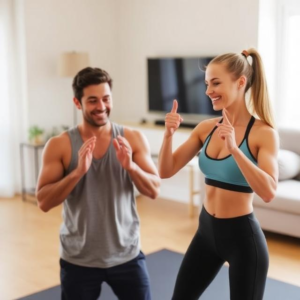
- Train together
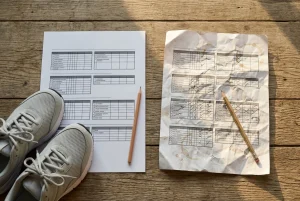
- Track progress visually
- Celebrate improvements
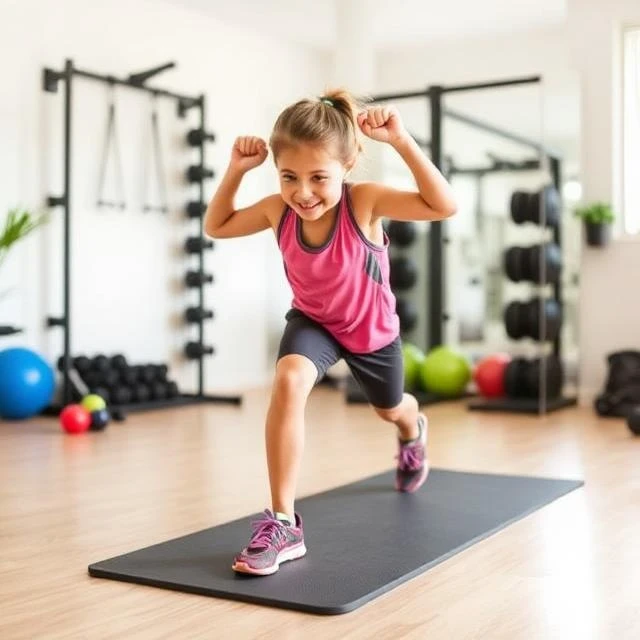
My Last Words – Home Training For Kids & Teens
Keep It Simple, Safe, and Consistent
Training for kids and teens doesn’t need to be complicated.
In fact, the simpler it is, the better it works.
Start with movement, build confidence, introduce structure gradually and most importantly:
Create an environment where training feels positive, not pressured. It’s that simple, don’t forget that what makes this all work is consistency. Any comments or questions are welcome below.
After decades involved in sport and coaching, I’ve learned that simple, consistent training beats complicated routines every time.
Ultimate Training Gear.