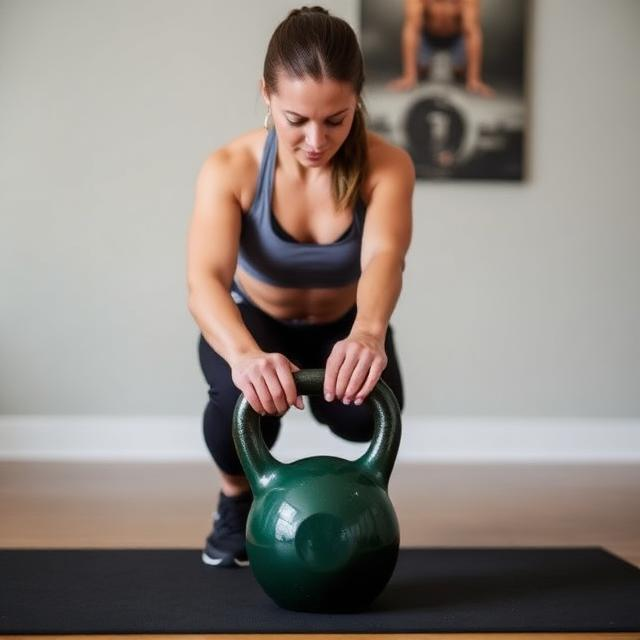
Do you know how to progress your home workouts without more equipment? If, you don’t, have no fear! I’ve got your best interests at heart, and in this post you’re going to find all the information you need to do just that.
How to Progress Your Home Workouts Without More Equipment (UK Guide)
One of the biggest myths in home fitness is that progress only comes from buying heavier weights or adding expensive machines to your home gym.
The reality is very different.
Many people make excellent progress for months, or even years, using the same equipment. The secret isn’t owning more equipment; it’s learning how to challenge your muscles in smarter ways.
Whether you’re training with adjustable dumbbells, resistance bands, kettlebells, or simply your own bodyweight, you can continue building strength, improving fitness, and increasing confidence without spending another penny.
This guide explains exactly how to do that.
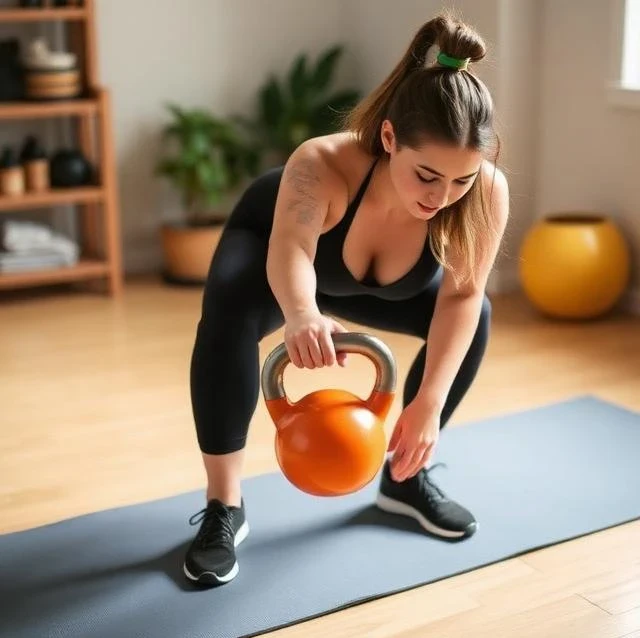
How to Progress Your Home Workouts Without More Equipment – What Is Progressive Overload?
Progressive overload is the gradual increase of stress placed on your muscles during training.
Every time your body adapts to a workout, it becomes slightly stronger and more efficient. If, you continue performing exactly the same workout, with the same weight, repetitions, and rest periods, your progress eventually slows.
Fortunately, adding more weight is only one way to progress.
You can also increase the challenge by:
- Performing more repetitions
- Completing additional sets
- Improving exercise technique
- Slowing your lifting tempo
- Reducing rest periods
- Increasing your range of motion
- Training more consistently
Small improvements performed consistently often lead to remarkable long-term results.
How to Progress Your Home Workouts Without More Equipment – Why Progress Matters
Your body is incredibly good at adapting.
That’s excellent news because it means you’ll become stronger, fitter, and more confident over time. However, it also means your workouts must gradually become more challenging if you want to keep improving.
Progressive training helps:
- Build muscle and strength
- Improve muscular endurance
- Increase calorie expenditure
- Prevent training plateaus
- Keep workouts enjoyable
- Build long-term confidence
Every small improvement gives you another reason to keep going.
10 Proven Ways to Progress Without Buying More Equipment
1. Increase Your Repetitions
One of the simplest progression methods.
Example:
Week 1:
10 reps
Week 2:
12 reps
Week 3:
15 reps
Once you comfortably reach your target repetitions, you can increase the difficulty in other ways.
2. Add Another Set
Training volume matters.
Instead of:
2 sets
Progress to:
3 sets
Eventually:
4 sets
The extra work encourages further strength and muscle development.
3. Slow Down Every Repetition
Most beginners rush through exercises.
Instead, try:
- 3 seconds lowering the weight
- 1 second pause
- Controlled lift back up
Your muscles remain under tension for longer, increasing the challenge without changing the weight.
4. Add Pause Repetitions
Pausing removes momentum.
For example:
Pause for one or two seconds at the bottom of a squat before standing.
Or hold a dumbbell row briefly at the top of each repetition.
These pauses improve control, balance, and strength.
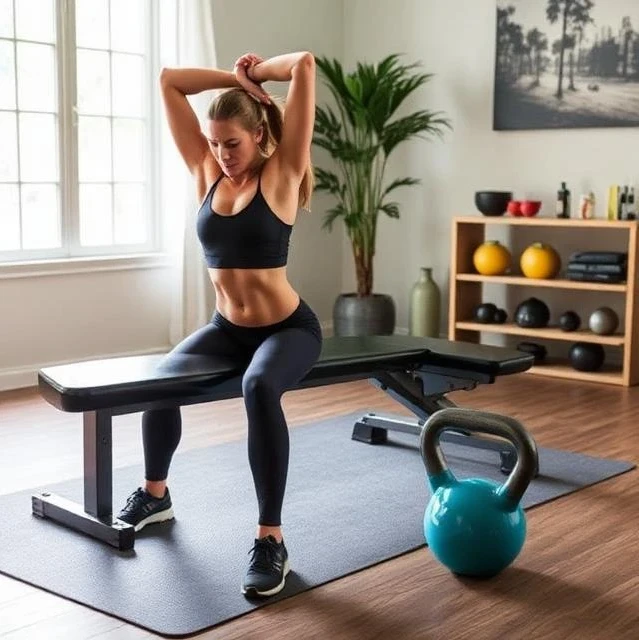
5. Reduce Your Rest Periods
If, you’re currently resting:
60 seconds
Try:
45 seconds
Eventually:
30 seconds
Shorter rest periods improve work capacity and cardiovascular fitness while keeping your workouts time-efficient.
6. Improve Your Technique
Perfect technique should always come before heavier weights.
Focus on:
- Controlled movement
- Full range of motion
- Proper breathing
- Good posture
- Smooth repetitions
Better form often makes familiar exercises feel surprisingly challenging.
7. Increase Your Range of Motion
Moving through a fuller range activates more muscle fibres.
Examples include:
- Squatting slightly deeper
- Lowering further during Romanian dead lifts
- Pressing through a complete shoulder movement
Only increase range where you can maintain safe technique.
8. Try Single-Sided Exercises
Unilateral training instantly increases the challenge.
Examples:
- Single-arm shoulder press
- Single-leg Romanian deadlift
- Bulgarian split squat
- One-arm row
You’ll also improve balance, co-ordination, and core stability.
9. Train One Extra Day
If, recovery feels good, adding one additional workout each week can produce excellent results.
For example:
- Monday – Strength
- Wednesday – Mobility
- Friday – Strength
- Saturday – Optional full-body session
Quality recovery should always guide how often you train.
10. Only Then Consider Buying More Equipment
Eventually, you may outgrow your current equipment. When that happens, investing in heavier dumbbells, stronger resistance bands, or additional kettlebells makes sense. But many people reach this stage far later than they expect. Get everything you can from the equipment you already own before spending more money.
How to Progress Your Home Workouts Without More Equipment – Keep Track of Your Progress
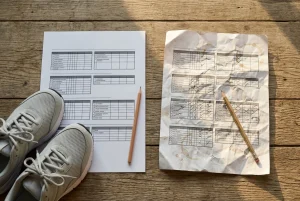
A simple notebook or fitness app can become one of your most valuable training tools.
Record:
- Exercises completed
- Weight used
- Sets and repetitions
- Rest periods
- How difficult the workout felt
- Sleep and recovery
Looking back after a few months is incredibly motivating because you’ll clearly see how far you’ve come.
How to Progress Your Home Workouts Without More Equipment – Common Mistakes That Slow Progress
Avoid these common traps:
- Changing your workout every week
- Increasing weight before improving technique
- Comparing yourself with others
- Skipping recovery days
- Neglecting sleep and nutrition
- Thinking soreness equals success
- Rushing through repetitions
Consistency almost always beats intensity.
Example Progression Plan
Goblet Squat
Week 1
3 × 10 repetitions
Normal tempo
Week 2
3 × 12 repetitions
Controlled tempo
Week 3
4 × 10 repetitions
One-second pause at the bottom
Week 4
4 × 12 repetitions
Reduce rest from 60 to 45 seconds
Week 5
Introduce Bulgarian split squats
Week 6
Use a slower 3-1-1 tempo
Notice that only the final stages may require heavier equipment.
Recovery Is Where Progress Happens
Training provides the stimulus.
Recovery creates the improvement.
Prioritise:
- 7–9 hours of quality sleep
- Adequate protein intake
- Plenty of water
- Active recovery days
- Stretching and mobility work
- Managing everyday stress
Your muscles become stronger between workouts, not during them.
Weekly Progress Checklist
Before increasing the difficulty, ask yourself:
- My technique has improved.
- I completed every planned workout.
- I increased repetitions or sets.
- My recovery has been good.
- I feel stronger than last week.
- My confidence is improving.
- I’m ready for the next challenge.
Last Words on How to Progress Your Home Workouts Without More Equipment UK Guide
Progress doesn’t come from owning the biggest home gym. It comes from challenging yourself consistently, recovering well, and making small improvements week after week. Remember, your body doesn’t know how expensive your equipment is. It only knows how hard it’s being challenged.
Stay patient, trust the process, and celebrate every milestone along the way. Those small improvements soon become remarkable long-term results. If, you have a comment, or question, please leave them below.
Ultimate Training Gear