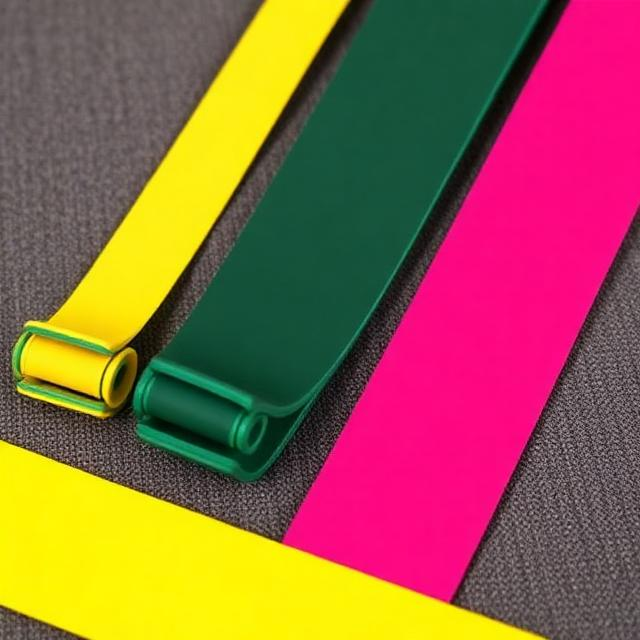
Let me show you how to choose the right resistance bands. Finding the right resistance bands that fits your home, and lifestyle, is a must. And the best way to come to that conclusion is to understand your own needs, as well as understanding the various types of resistance bands work.
I’ve done all the hard work for you, all you have to do now – is just read.
How to Choose the Right Resistance Bands (UK Guide)
Find the Perfect Bands for Your Home Workouts
The Short Answer
Choosing the right resistance bands matters because the type, material, and resistance level all influence how effective, comfortable, and enjoyable your workouts will be. The best resistance bands are the ones that match your fitness goals, experience, and available space, not necessarily the most expensive set on the market.
Whether you’re building a home gym in a small UK flat or looking for portable equipment you can take anywhere, resistance bands offer one of the most affordable and versatile ways to improve your fitness.
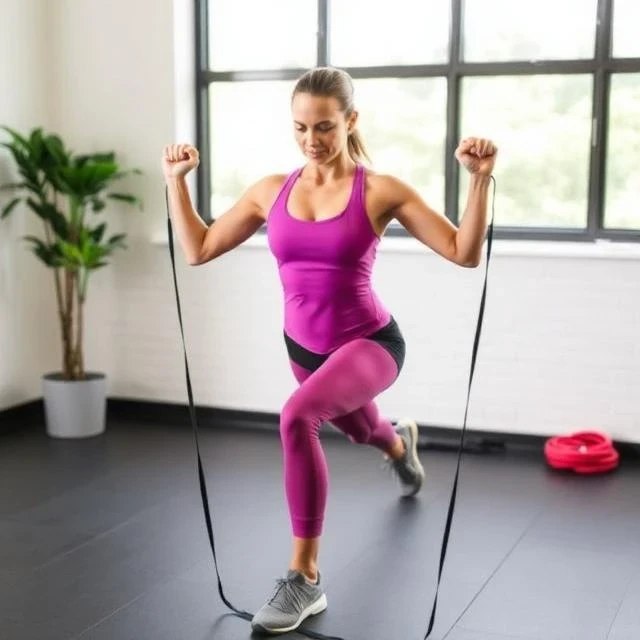
Why Resistance Bands Have Become So Popular
Over the past few years, resistance bands have become one of the UK’s favourite pieces of home fitness equipment, and for good reason.
Unlike bulky gym machines or large sets of free weights, bands offer impressive versatility while taking up almost no storage space.
Their biggest advantages include:
- Affordable for almost every budget
- Lightweight and portable
- Suitable for every fitness level
- Excellent for strength, mobility and rehabilitation
- Perfect for home workouts and travel
- Easy to combine with bodyweight exercises
Perhaps their greatest strength is accessibility. Whether you’re completely new to exercise or already experienced, there’s a resistance band suitable for your current ability.
How to Choose the Right Resistance Bands – Who Benefits from Resistance Bands?
Resistance bands are one of the few pieces of equipment that genuinely suit almost everyone.
They’re particularly useful for:
- Beginners learning correct movement patterns
- Older adults looking for low-impact strength training
- Home exercisers with limited space
- Travellers needing portable workouts
- Athletes performing mobility and activation drills
- Individuals returning from injury (following professional guidance)
Their adaptability makes them one of the safest and most versatile training tools available.
The Different Types of Resistance Bands
Choosing the right style is just as important as choosing the right resistance.
How to Choose the Right Resistance Bands – Loop Bands
Ideal for:
- Full-body workouts
- Assisted pull-ups
- Mobility work
- Stretching
- Functional training
Mini Loop Bands
Perfect for:
- Glute activation
- Hip strengthening
- Lower-body conditioning
- Warm-ups
How to Choose the Right Resistance Bands – Tube Bands with Handles
Best suited for:
- Chest presses
- Rows
- Shoulder presses
- Bicep curls
- Tricep extensions
These feel the closest to using traditional gym equipment.
Therapy Bands
Designed primarily for:
- Rehabilitation
- Physiotherapy exercises
- Gentle mobility work
- Shoulder recovery
Their lighter resistance makes them ideal for improving movement quality rather than building strength.
How to Choose the Right Resistance Bands – Fabric Resistance Bands
Excellent for:
- Squats
- Hip thrusts
- Glute bridges
- Lateral walks
- Lower-body strength training
Their non-slip design keeps them securely in place during exercise.
Choosing the Right Resistance Level
Selecting the appropriate resistance is key to making steady progress.
Light
Ideal for:
- Warm-ups
- Shoulder exercises
- Mobility work
- Rehabilitation
Medium
Suitable for:
- Upper-body strength
- Core training
- General fitness
How to Choose the Right Resistance Bands – Heavy
Best for:
- Rows
- Chest presses
- Lower-body exercises
- Stronger beginners
Extra Heavy
Recommended for:
- Experienced lifters
- Glute-focused training
- Advanced strength work
For most beginners, owning light, medium, and heavy bands provides plenty of variety without unnecessary expense.
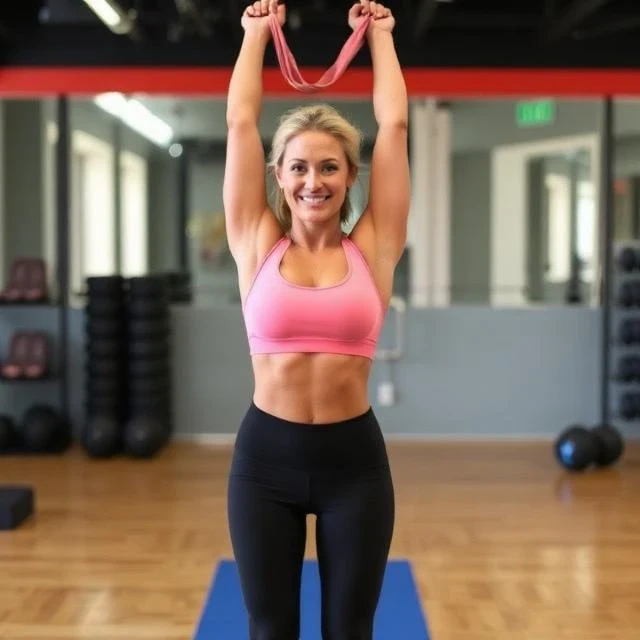
How Do You Know the Resistance Is Right?
A simple rule applies here too.
If, you can comfortably complete twenty repetitions without feeling challenged, the band is probably too light.
If, you struggle to control the movement or your technique starts breaking down, it’s probably too heavy.
The ideal band allows you to complete each repetition with good form while making the final few repetitions feel challenging.
Latex vs Fabric Resistance Bands
The material affects comfort, durability, and the types of exercises you’ll perform.
Latex Bands
Advantages:
- Excellent stretch
- Highly versatile
- Affordable
- Ideal for upper-body training
- Suitable for full-body workouts
Disadvantages:
- Can roll during lower-body exercises
- More susceptible to wear over time
Fabric Bands
Advantages:
- Comfortable
- Non-slip
- Extremely durable
- Excellent for glute and leg workouts
Disadvantages:
- Limited stretch
- Less versatile for upper-body exercises
- Higher purchase price
For most home gyms, latex bands remain the better all-round choice, while fabric bands make an excellent addition for lower-body training.
How to Choose the Right Resistance Bands – Accessories Worth Considering
You don’t need lots of accessories to get started, but a few can expand your exercise options.
Door Anchors
Perfect for:
- Lat pull downs
- Face pulls
- Tricep push downs
- Standing rows
How to Choose the Right Resistance Bands – Handles
Provide a more comfortable grip for pushing and pulling exercises.
Ankle Straps
Useful for:
- Glute kickbacks
- Hip abductions
- Leg extensions
Start with the basics first. Accessories can always be added later as your workouts become more varied.
Looking After Your Resistance Bands
With proper care, quality resistance bands can last for years.
To extend their lifespan:
- Store away from direct sunlight
- Avoid sharp edges
- Don’t overstretch beyond the manufacturer’s recommendations
- Clean bands after use
- Inspect regularly for cracks, tears, or thinning
Replacing worn bands is far cheaper than risking an injury caused by a snapped band.
How to Choose the Right Resistance Bands – Common Buying Mistakes
Many beginners waste money by making avoidable mistakes.
Common examples include:
- Buying the cheapest bands available
- Purchasing only one resistance level
- Choosing the wrong style for their goals
- Ignoring build quality
- Overstretching the bands
- Buying too many accessories immediately
Buying a quality starter set usually provides much better long-term value than purchasing individual bargain bands.
Which Resistance Bands Do I Recommend?
For most UK beginners, I recommend investing in a quality set that includes light, medium, and heavy resistance.
Loop bands and tube bands with handles provide the best balance of:
- Versatility
- Affordability
- Portability
- Progressive overload
- Long-term value
Fabric bands are an excellent addition once your lower-body training becomes more advanced.
The best resistance bands aren’t necessarily the strongest, they’re the ones you’ll actually use every week.
Frequently Asked Questions
Can resistance bands build muscle?
Absolutely. When used with progressive overload, controlled tempo, and proper technique, resistance bands can effectively stimulate muscle growth.
How long do resistance bands last?
Quality latex bands typically last between one and two years with regular use and proper care. Fabric bands often last even longer.
Are fabric bands better than latex?
Neither is universally better. Fabric bands excel during lower-body workouts, while latex bands remain the most versatile option for full-body training.
Which resistance bands are best for beginners?
A good-quality set of latex loop bands or tube bands with handles is usually the best starting point.
How to Choose the Right Resistance Bands – Internal Resources
If, you’re building your own home gym, these guides may also help:
- Beginner Resistance Band Workout
- Resistance Bands vs Dumbbells
- Resistance Bands vs Cable Machines
- Beginner Home Gym Guide
- Budget Home Gym Under £300
- How to Progress Your Home Workouts
- Build Habits Before Purchasing Equipment
Last Words on How to Choose the Right Resistance Bands
Choosing the right resistance bands is about finding equipment that complements your goals, your available space, and the way you enjoy exercising. The right set will support everything from strength training and mobility work to rehabilitation and full-body workouts.
Remember, progress doesn’t come from owning more equipment, it comes from using what you have consistently. A quality set of resistance bands, combined with good technique and regular training, can take you much further than many people realise.
Value beats cost. Consistency beats complexity. Please leave all comments or questions below.
Ultimate Training Gear