Here’s what beginners get wrong about small home gyms. They tend to not have their priorities in order, and choose to purchase equipment because of hearsay and social media intervention. But this is just the tip of the iceberg, which then leads to the wrong equipment choice, a waste of money and a risk to health.
In this post I’ll be taking a look at what a beginner should be focused on, before buying home gym equipment.
What Beginners Get Wrong About Small Home Gyms
Why Small Home Gyms Can Work Extremely Well
One of the biggest misconceptions beginners have about home gyms is believing they need a huge amount of space to train effectively.
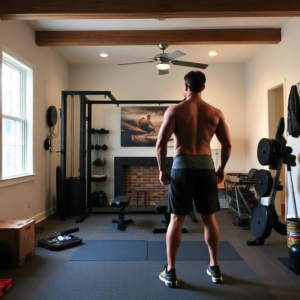
Social media often shows large garage gyms filled with expensive equipment, making smaller setups feel limited by comparison. But the truth is that a well-planned small home gym can deliver excellent results.
In many cases, smaller home gyms actually encourage:
- Simpler workouts
- Better organisation
- Smarter equipment choices
- More consistent training
The key is avoiding the common mistakes beginners often make when trying to maximise limited space.
Mistake 1: What Beginners Get Wrong About Small Home Gyms – Buying Too Much Equipment
One of the most common beginner mistakes is assuming:
“More equipment equals better workouts.”
This usually leads to:
- Cluttered rooms
- Unused machines
- Wasted money
- Overwhelming workout spaces
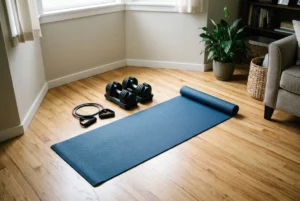
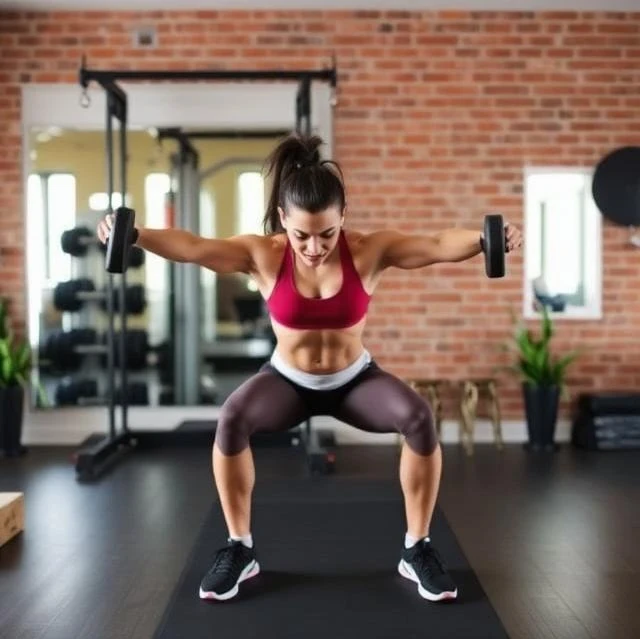
A smaller gym packed with too much equipment quickly becomes frustrating to use. Instead, focus on versatile equipment that supports multiple exercises without taking over your entire space.
Good examples include:
- Adjustable dumbbells
- Resistance bands
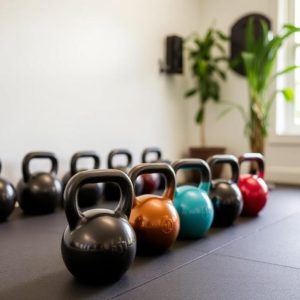
- Kettlebells
- Foldable benches
- Skipping ropes
These tools provide excellent workout variety while remaining space-efficient.
Mistake 2: Choosing Equipment That Doesn’t Match Your Goals
Another common issue is buying equipment based on trends rather than actual fitness goals.
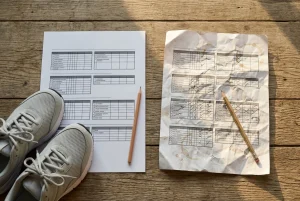
Before purchasing anything, ask yourself:
- Are you training for fat loss?
- Strength?
- Conditioning?
- General fitness?
- Mobility?
Your goals should shape your equipment choices.
For example:
- A conditioning-focused setup may prioritise battle ropes and kettlebells
- Strength-focused training may require adjustable dumbbells and benches
- Fat loss workouts may benefit from versatile cardio and resistance tools
Buying equipment without a clear purpose often leads to regret later.
Mistake 3: Ignoring Gym Layout and Organisation
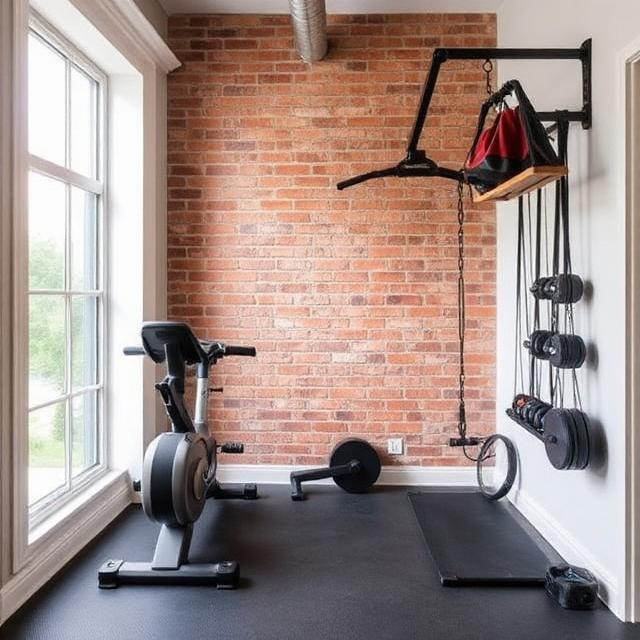
Many beginners underestimate how important layout is in a small home gym. Even good equipment can become frustrating if the space feels cramped or disorganised.
A clean, organised setup helps:
- Improve focus
- Reduce distractions
- Improve workout flow
- Make training feel more enjoyable
Simple storage solutions and thoughtful positioning can make a surprisingly big difference in smaller spaces.
Mistake 4: What Beginners Get Wrong About Small Home Gyms – Prioritising Quantity Over Quality
Cheap equipment can sometimes create more frustration than value.
Low-quality products may:
- Wear out quickly
- Feel unstable
- Become uncomfortable to use
- Require frequent replacement
A few durable, reliable pieces of equipment usually outperform a room filled with poor-quality gear.
Beginners often achieve better results by investing slowly and choosing equipment carefully over time.
Mistake 5: Forgetting the Advantages of Small Home Gyms
Many people focus too much on what small gyms lack instead of recognising their advantages.
Small home gyms offer:
- Convenience
- Privacy
- Flexibility
- Lower costs
- Easier maintenance
And perhaps most importantly:
they remove many of the barriers that stop people exercising consistently.
- Travelling time to the gym
- No crowded gyms
- No waiting for equipment
Just a simple space designed around your own routine and goals.
Mistake 6: Overcomplicating Workouts
A smaller gym doesn’t require complicated routines. In fact, simple workouts are often the most effective.
Bodyweight training, dumbbells, resistance bands, and conditioning circuits can provide excellent full-body workouts without needing dozens of machines.
Consistency almost always matters more than complexity.
Mistake 7: What Beginners Get Wrong About Small Home Gyms – Ignoring the Mental Side of Training
Creating a successful home gym isn’t only about equipment. Mindset matters too.
A tidy, motivating training space can help:
- Improve consistency
- Build positive habits
- Reduce mental resistance to workouts
Beginners often underestimate how much environment affects motivation. Even small improvements to organisation and atmosphere can make workouts feel more enjoyable and sustainable.
How to Build a Better Small Home Gym
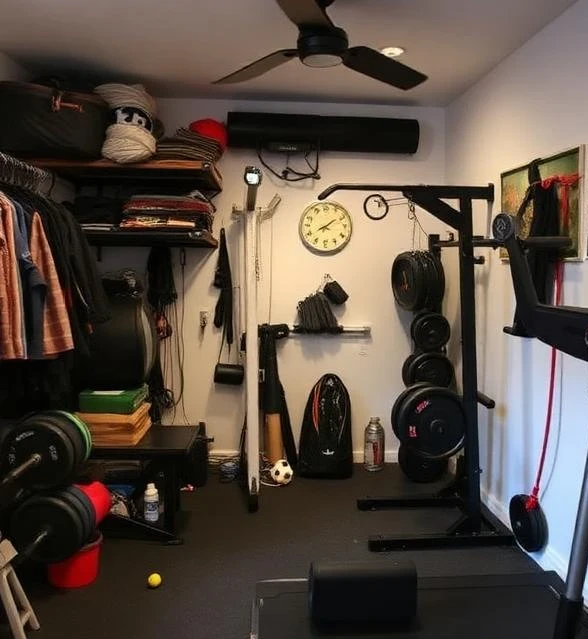
A successful small home gym usually focuses on:
- Versatile equipment
- Smart organisation
- Realistic goals
- Gradual upgrades
- Consistency over perfection
You don’t need unlimited space to build an effective workout environment. You simply need equipment and routines that fit your lifestyle and support long-term training habits.
Last Words on What Beginners Get Wrong About Small Home Gyms
One of the biggest things beginners get wrong about small home gyms is believing they need more:
- Space
- Equipment
- Expensive machines
In reality, many people achieve excellent results with simple setups built around versatile tools and consistent training.
The best small home gym isn’t the one with the most equipment.
It’s the one you actually use regularly.
By focusing on:
- Smart equipment choices
- Good organisation
- Realistic goals
- Sustainable routines
you can create a home gym that supports long-term fitness success without overwhelming your space or budget. Please leave all comments or questions below.
Ultimate Training Gear