Building a home gym? What equipment do you actually need for a home gym? The question is simple, and the answers are all here. Depending on what you are trying to achieve, you’re going to need certain pieces of equipment. Have no fear they are all cost effective, and will improve your home gym experience.
What Equipment Do You Actually Need for a Home Gym
Starting a Home Gym the Smart Way
Building a home gym can feel exciting at first.
But many beginners quickly become overwhelmed by:
- Endless equipment choices
- Expensive machines
- Social media setups
- Fitness trends
It’s easy to believe you need a fully equipped commercial gym to get results at home.
The truth is, most people only need a small amount of versatile equipment to build an effective workout space.
The key is choosing equipment that matches:
- Your fitness goals
- The available space at your disposal
- Your budget
- Your lifestyle
Instead of buying everything at once, focus on the essentials that give you the most value and flexibility.
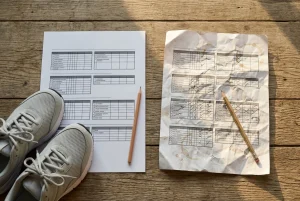
Step 1: Decide What Your Fitness Goals Are
Before buying any equipment, ask yourself:
Your goals should shape your home gym setup.
For example:
Strength Training
You may need:
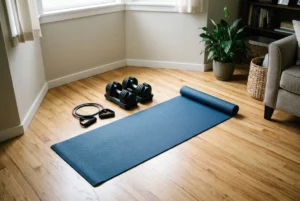
- Adjustable dumbbells
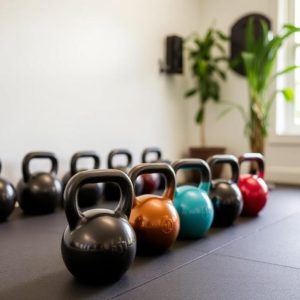
- Kettlebells
- A bench
- Resistance bands
Fat Loss and Conditioning
You may benefit from:
- Skipping ropes
- Battle ropes
- Resistance bands
- Compact cardio equipment
What Equipment Do You Actually Need for a Home Gym – General Fitness
A simple setup with versatile equipment is often enough.
Flexibility and Mobility
Yoga mats, resistance bands, and bodyweight training may work perfectly.
Buying equipment without a clear goal is one of the biggest beginner mistakes.
Step 2: Start With Versatile Equipment
One of the smartest things beginners can do is focus on equipment that supports multiple exercises.
This saves:
- Money
- Space
- Clutter
- Frustration
Some of the best beginner-friendly options include:
What Equipment Do You Actually Need for a Home Gym – Adjustable Dumbbells
Excellent for:
- Strength training
- Muscle building
- Full-body workouts
And they take up far less space than a full dumbbell rack.
Resistance Bands
Affordable, portable, and surprisingly effective.
Great for:
- Beginners
- Strength training
- Mobility work
- Fat loss workouts
What Equipment Do You Actually Need for a Home Gym – Kettlebells
Ideal for:
- Conditioning
- Strength
- Cardio-style workouts
Exercise Mat
Simple but important for:
- Stretching
- Core exercises
- Mobility training
- Floor workouts
What Equipment Do You Actually Need for a Home Gym – Skipping Rope
One of the cheapest and most effective cardio tools available.
Step 3: Don’t Buy Too Much Too Early
A huge mistake many beginners make is trying to build their “dream gym” immediately.
This often leads to:
- Wasted money
- Overcrowded rooms
- Unused equipment
- Buyer’s regret
You do not need:
- Multiple machines
- Huge cardio setups
- Expensive specialty equipment
especially in the beginning.
A smaller setup built around versatile equipment is usually more effective and easier to maintain.
Step 4: Think About Your Available Space
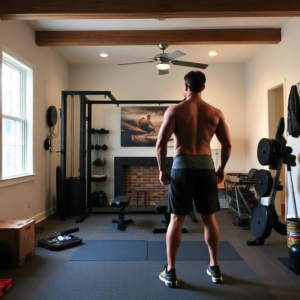
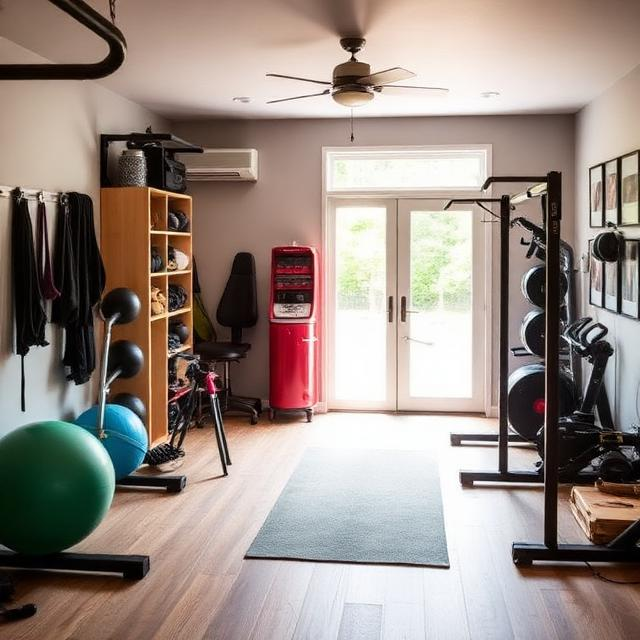
Not everyone has a spare garage or dedicated gym room. That’s completely fine.
Even a small bedroom corner or living room space can work well with the right setup.
When planning your gym:
- Measure your space carefully
- Allow room to move safely
- Avoid clutter
- Think vertically for storage
Foldable or compact equipment can help maximise smaller spaces without sacrificing workout quality.
Step 5: Focus on Quality Over Quantity
Cheap equipment sometimes works well, but poor-quality gear can quickly become frustrating.
Low-quality products may:
- Feel unstable
- Wear out quickly
- Reduce workout enjoyment
- Create safety concerns
Instead of buying lots of cheap equipment, it’s often smarter to invest slowly in durable pieces you’ll actually use consistently.
A few reliable tools usually outperform a room full of low-quality gadgets.
Step 6: Don’t Ignore the Importance of Consistency
The best home gym equipment is the equipment you actually use.
Many people become distracted by:
- Flashy machines
- Social media trends
- Expensive setups
But long-term fitness progress usually comes from:
- Consistency
- Simple routines
- Sustainable habits
Even basic equipment can produce excellent results when used regularly.
Step 7: Use Technology to Your Advantage
Fitness apps, online workouts, and guided programs can add variety and structure to your training.
They can help with:
- Motivation
- Workout planning
- Tracking progress
- Learning proper form
For beginners especially, these tools can make home workouts feel more engaging and easier to follow.
Last Words on What Equipment Do You Actually Need for a Home Gym
When building a home gym, it’s easy to assume you need lots of equipment to succeed. In reality, most beginners only need a few versatile tools to create highly effective workouts at home.
Start simple.
Focus on:
- Your goals
- Your available space
- Versatile equipment
- Long-term consistency
Instead of chasing the perfect setup immediately, build your home gym gradually around equipment you genuinely enjoy using.
A smart, simple setup almost always beats an overcrowded room full of expensive machines.
Ultimate Training Gear
Related post link: