The Ultimate Beginner’s Guide to Building a Home Gym (UK)
Learn how to create an affordable, practical home gym that fits your space, your budget, and your goals.
By Ultimate Training Gear
Copyright Page
Copyright © 2026 Ultimate Training Gear.
All rights reserved.
No part of this publication may be reproduced, stored in a retrieval system, or transmitted in any form or by any means, electronic, mechanical, photocopying, recording, or otherwise, without prior written permission from the copyright holder, except for brief quotations used in reviews or educational purposes as permitted by copyright law.
The information contained in this guide is intended for educational purposes only. While every effort has been made to ensure accuracy, the author and publisher accept no responsibility for any injury, loss, or damage arising from the use of the information contained within this book.
Published by Ultimate Training Gear
___________________________________________________________________________________
Disclaimer
The advice in this guide is designed to help beginners build a safe and effective home gym and establish healthy exercise habits.
It should not replace professional medical advice. If, you have any existing medical conditions, injuries, or concerns about beginning an exercise programme, consult your GP or another qualified healthcare professional before starting.
Always exercise within your own abilities, use equipment according to the manufacturer’s instructions, and prioritise good technique over lifting heavier weights.
Ultimate Training Gear accepts no liability for injuries or damages resulting from the application of the information contained in this guide.
________________________________________________________________________________
Dedication
To everyone who has ever stood at the beginning of their fitness journey wondering where to start.
May this guide give you the confidence to take that first step, and remind you that small, consistent actions can change your life.
_________________________________________________________________________________
Table of Contents
- Introduction
- How to Use This Guide
- Why Build a Home Gym?
- Choosing the Right Space for Your Home Gym
- Choosing the Right Equipment for Your Goals
- Planning Your Home Gym Layout
- Creating Your First Home Workout Routine
- Staying Motivated and Building Lasting Habits
- Growing Your Home Gym and Your Fitness Journey
- Final Thoughts
- About Ultimate Training Gear
_____________________________________________________________________________________
Introduction
Welcome
If, you’re reading this, you’ve already taken the most important step towards improving your health, you’ve decided to begin.
Building a home gym can feel overwhelming at first. There are hundreds of pieces of equipment to choose from, thousands of workout plans online, and no shortage of people telling you there’s only one “right” way to train.
The truth is much simpler.
You don’t need a spare garage full of expensive machines.
You don’t need years of experience.
And you certainly don’t need to spend thousands of pounds before seeing results.
What you do need is a plan.
That’s exactly what this guide will give you.
Over the next few chapters, I’ll show you how to build a practical home gym that fits your space, your budget, and your goals. You’ll learn which equipment is worth buying, which purchases can wait, how to create workouts you’ll actually stick to, and how to build habits that keep you progressing for years, not just a few weeks.
Most importantly, you’ll discover that building a home gym isn’t really about equipment at all.
It’s about creating an environment that makes exercise easier, removes excuses, and helps you become stronger, healthier, and more confident one workout at a time.
Let’s get started.
_________________________________________________________________________________
How to Use This Guide
You don’t need any previous fitness experience to benefit from this guide.
Each chapter builds on the one before it, taking you from complete beginner to confidently planning, building, and using your own home gym.
For the best experience:
- Read the chapters in order.
- Take your time before buying equipment.
- Complete the checklists as you go.
- Focus on consistency rather than perfection.
- Use the Quick Take and Takeaway sections to reinforce the key lessons.
Remember, you don’t need to finish building your home gym before you begin exercising.
In fact, I hope you’ll start training long before you’ve bought everything on your wish list.
Because progress comes from action, not preparation.
___________________________________________________________________________________
About Ultimate Training Gear
Ultimate Training Gear was created to make fitness simpler.
The internet is full of conflicting advice, expensive recommendations, and complicated workout plans that leave beginners more confused than when they started.
My goal is different.
I believe fitness should be practical, affordable, and accessible to everyone.
Whether you’re building your very first home gym, choosing your first pair of dumbbells, or looking for straightforward training advice, Ultimate Training Gear is here to help you make informed decisions without the jargon or hype.
Everything I create is based on one simple principle:
Keep it simple. Stay consistent. Keep improving.
Because the best workout programme is the one you can stick with, and the best home gym is the one that gets used.
Welcome to Your Home Gym Journey
Building a home gym can feel overwhelming when you’re just getting started. One moment you’re browsing a simple pair of dumbbells online, and the next you’re wondering if you also need resistance bands, a bench, rubber flooring, storage racks, or even a whole spare room to make it work.
Here’s the good news: you don’t need any of that to begin.
One of the biggest myths in home fitness is that effective training requires expensive equipment and a large, dedicated space. In reality, many of the best home gyms start with nothing more than a small corner of a room, a basic workout plan, and a commitment to showing up consistently.
This guide has been created specifically for UK beginners who want to build a practical, affordable home gym without wasting money or falling into common beginner traps.
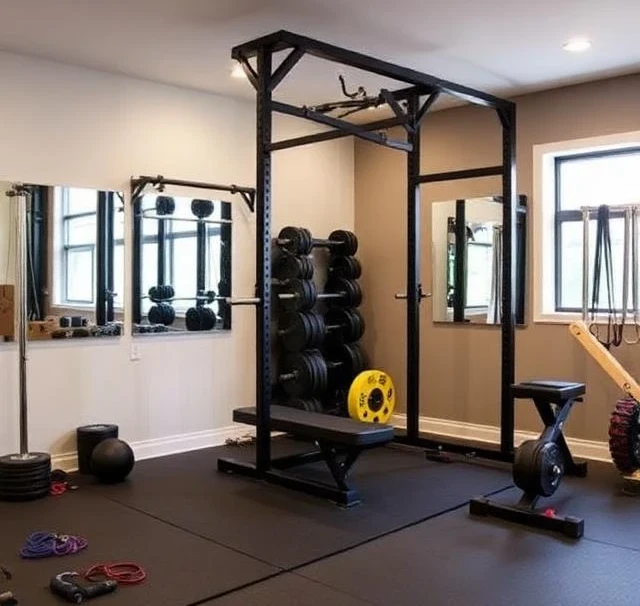
Inside, you’ll learn how to choose the right space, pick equipment that actually matches your goals, create simple but effective workout routines, avoid costly mistakes, and gradually progress your training over time.
Whether you’re working with a spare bedroom, a garage, a garden room, or just a small area in your living room, this guide will help you build a setup that fits your lifestyle, your budget, and your confidence level.
The goal isn’t to build the perfect home gym.
The goal is to build a home gym you’ll actually use.
What You’ll Learn
This guide is designed to give you everything you need to start your home gym journey with confidence. Each section builds on the last, helping you make smart decisions, avoid common pitfalls, and create a setup that genuinely supports your goals.
1. Why Build a Home Gym?
You’ll discover the real advantages of training at home, from convenience and privacy to flexibility, comfort, and long term cost savings. This section helps you understand why so many people across the UK are choosing to ditch the commute and build their own training space.
2. Planning Your Space
You’ll learn how to choose the right spot in your home, whether it’s a spare bedroom, garage, garden room, or a small corner of your living room. We’ll cover how to maximise tight spaces, improve safety, and create an environment that feels motivating rather than cluttered.
3. Choosing Equipment
This section breaks down which pieces of equipment offer the best value for beginners, and which items you can skip entirely. You’ll learn how to match equipment to your goals, budget, and available space without wasting money on things you won’t use.
4. Your First Workout Plan
You’ll explore simple, effective workout options using bodyweight exercises, dumbbells, kettlebells, and resistance bands. These routines are designed to help you build confidence, improve technique, and start seeing progress quickly.
5. Progressing Your Training
Here you’ll learn how to get stronger, stay consistent, and keep improving, all without constantly buying new equipment. We’ll cover progression methods, training structure, and how to adjust your workouts as your fitness grows.
6. Common Beginner Mistakes
This section highlights the most frequent home gym and training mistakes that slow progress, waste money, or cause frustration. You’ll learn how to avoid them from day one.
7. Frequently Asked Questions
Finally, you’ll get clear answers to the questions most beginners ask before building their first home gym, from equipment choices to workout planning, safety, and long term expectations.
Choosing the right spot in your home is step one on the home gym journey. Got a spare room or an underused garage? Perfect! Those spots can transform into fitness hubs with minimal effort. But even if space is tight, don’t worry; creative solutions exist. Think about rearranging the living room or a corner in your bedroom. There’s always a way to make it work.
Don’t just pick any space, though. Consider the size. You’ll need enough room for equipment and to move around comfortably. No one likes feeling cramped while working out. An average-sized bedroom can be more than enough for basic setups. Measure out how much space you’ll need and think about future equipment purchases too.
Ventilation and lighting are other biggies. A well-lit, airy space keeps energy up and spirits high. Natural light is a bonus, but if that’s not an option, investing in some good lights won’t break the bank. A fan or open windows make sure you’re not drenched in sweat halfway through a workout. Comfort and safety should always be top priorities.
Tech-savvy? Incorporating gadgets and streaming is easier than ever. Mount a tablet holder for workouts or install a Bluetooth speaker to pump up the tunes. Think about how these can fit into your space without cluttering it. Wires everywhere don’t exactly scream zen.
Finally, make the space motivating and personal. Hanging posters, painting walls in energising colours, or adding a few plants can create an environment you actually want to spend time in. It’s your space, so make sure it feels good to be there and reflects your personal style.
Selecting Essential Home Gym Equipment
When it comes to loading up your home gym, less is often more. Start with the basics that suit your fitness goals. A yoga mat, some dumbbells, and resistance bands are great starting points. They don’t demand much space, and they’re super versatile. If you’re after cardio, a jump rope or a foldable exercise bike are cost-effective and space-saving options.
Budget might be on your mind, but building a home gym doesn’t have to empty your wallet. Plenty of online second-hand marketplaces offer solid equipment at a fraction of the price. Keep an eye out for clearance sales or discounts from major UK sports retailers too. Sometimes, timing your purchase can save big bucks.
Investing in versatile equipment is smart, especially if space is limited. A set of adjustable dumbbells or a compact multi-gym setup covers a lot of exercises without taking up much room. These options give you plenty of variety, ensuring every workout is full of potential.
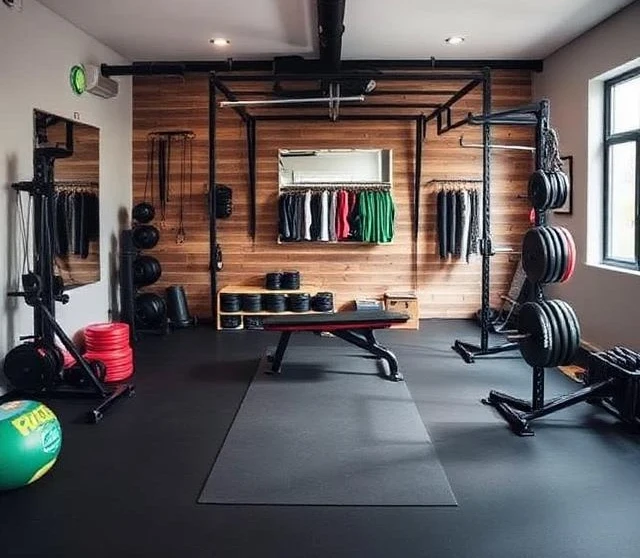
In a market flooded with choices, sticking with good quality counts. Brands like York, Rogue, and PowerBlock offer durable equipment that doesn’t just look good but performs well over time. Spending a little more upfront on reliable gear often means saving on replacements later.
Don’t underestimate maintenance, though. Keeping your gear in top shape isn’t hard. Wipe down equipment after use, occasionally check for wear and tear, and regularly lubricate moving parts if needed. Small acts of care extend the life of your fitness tools and ensure they work smoothly every time.
Creating a Custom Workout Routine
Crafting your workout routine ensures it aligns perfectly with your personal goals. Whether aiming for weight loss, muscle gain, or simply staying active, a tailored approach is key. Forget about generic routines that fail to consider what you’re all about. Focus on what gets you excited and motivated to move.
Incorporating virtual trainers and fitness apps can be a game-changer. Many offer free trials or lower-cost subscriptions that bring professional guidance right into your living room. personalised workout plans designed by experts help you keep on track, even if you’re new to the game.
For a balanced routine, mix it up. Alternate between strength training, cardio, and flexibility exercises. This variety ensures all-around fitness without overloading any one muscle group. Plus, it keeps workouts fresh and prevents boredom, which is crucial for maintaining momentum.
Tracking progress means more than just stepping on a scale. Fitness journals, smartphone apps, or wearable devices give insight into your achievements and areas for improvement. Logging workouts, diet changes, and emotional well-being can offer a comprehensive view of your journey, motivating you to push further.
Staying motivated can be a challenge, but with the right tools, it’s doable. Set short and long-term goals, reward yourself for hitting milestones, or involve a friend to keep each other accountable. Having a system in place helps avoid common pitfalls like laziness or lack of drive, ultimately making your home gym experience a pleasant one.
Why Build a Home Gym?
The appeal of a home gym is all about convenience. No more commuting, waiting for machines, or dealing with crowded spaces. The moment motivation strikes, you’re just steps away from getting into a workout, fitting perfectly with busy schedules.
Saving money is a huge factor too. While setting up might seem pricey at first, think of it as an investment. Cutting out monthly gym fees eventually offsets initial costs. Plus, you’re saving on travel expenses; those small savings add up over time.
Privacy is another win with home gyms. Especially if you’re self-conscious or prefer working out alone, home is where you can sweat freely. No fashion judgements or feeling the pressure to perform like in a busy gym environment. It’s your space, your rules.
Consistency is key to reaching fitness goals, and having a gym at home makes sticking to a routine much easier. It’s right there, eliminating excuses. Routine becomes habit, and habit becomes lifestyle, bringing real changes.
Flexibility to adapt your space as fitness needs evolve is another bonus. As you progress, adding or swapping equipment to align with new goals keeps things fresh and challenging. A home gym can grow with you, reflecting your journey each step of the way.
Chapter 1: Why Build a Home Gym?
Building a home gym has never been more popular, and it’s easy to see why. Across the UK, more people than ever are asking themselves a simple question: why travel somewhere else to exercise when you could train at home? What used to be seen as a luxury, something reserved for bodybuilders, fitness fanatics, or people with deep pockets, has now become practical, affordable, and accessible for almost anyone.
Whether you live in a small flat, a busy family home, or you’re simply tired of the gym commute, a home gym offers a level of convenience, comfort, and control that traditional gyms struggle to match. This chapter explores the real reasons why home gyms are becoming the preferred choice for beginners across the UK, and why building your own training space might be one of the best investments you can make in your health.
Best of all, you don’t need thousands of pounds worth of equipment or a dedicated fitness room to get started. Many successful home gyms begin with a small corner of a spare room, a pair of dumbbells, and a commitment to train consistently.
Throughout this guide, you’ll discover how to build your setup one step at a time, more importantly, you’ll discover that building a successful home gym isn’t about owning more equipment, it’s about creating a space that helps you train consistently, avoiding unnecessary purchases while getting the most from every piece of equipment you own.
Quick Take
If, you’re wondering whether building a home gym is worth it, here’s the short answer:
- Train whenever it suits you.
- Save money over time.
- Exercise in complete privacy.
- Build consistency without travelling.
- Create a space that grows with your fitness journey.
The best home gym isn’t the biggest one, it’s the one that helps you show up consistently.
1. Convenience
Convenience is the number one reason people switch to home training, and for good reason. When you train at home, everything becomes easier.
There’s no travelling to the gym, no traffic, no waiting for equipment, and no rushing to make a class on time. You can train before work, during your lunch break, after the kids are in bed, or whenever your day allows. A home gym fits around your life, not the other way around.
For many beginners, this flexibility is the difference between sticking with a routine and giving up after a few weeks. When exercise becomes something, you can do right now, without preparation or travel, it stops feeling like a chore and starts becoming part of your everyday rhythm.
A phrase that captures this perfectly:
The best workout is often the one you can actually fit into your day.
Home gyms make that possible. A home gym makes that possible, removing the barriers that so often prevent people from exercising regularly.
2. Save Money
This is one of the most important sections, and one of the most misunderstood.
Many people assume that building a home gym is expensive, but when you compare the long term costs, it often becomes the cheaper option.
Typical Gym Costs
- Monthly membership fees
- Fuel or public transport
- Parking
- Coffee or snacks on the way (yes, most people do this!)
- Occasional gym clothing purchases
- Time spent travelling – which has value too
Over the years, those savings can become substantial, especially when compared with the ongoing cost of gym memberships and travel.
Home Gym Costs
- A few pieces of equipment
- Occasional upgrades
- No travel
- Home parking
- No ongoing monthly fees
It’s important to be honest: you won’t save money immediately. A home gym has an upfront cost. But the equipment you buy today can last for years, sometimes decades, and once you own it, your ongoing training costs become much lower.
A pair of dumbbells, a set of resistance bands, or a simple bench can deliver thousands of workouts without ever needing to be replaced.
Over time, those savings can become substantial, especially when compared with years of membership fees, travel costs, and other expenses associated with commercial gyms.
3. Privacy
Privacy is a huge reason beginners choose home training.
Many people avoid gyms because they worry about:
- Looking inexperienced
- Using equipment incorrectly
- Feeling judged
- Not knowing where to start
These concerns are completely normal, and extremely common. The problem is that they stop people from ever getting started.
A home gym removes those barriers entirely.
You can learn at your own pace, make mistakes without embarrassment, and build confidence gradually. You don’t have to worry about who’s watching, who’s waiting for the machine you’re using, or whether you’re doing something “wrong.”
Your home gym becomes a safe, comfortable environment where progress feels natural rather than intimidating.
4. Flexibility
One of the biggest advantages of home training is the freedom to choose how you exercise.
You’re not limited by gym timetables, class schedules, or equipment availability. You can train however you want, whenever you want, using whatever equipment suits your goals.
Home gyms support:
- Dumbbell training
- Resistance band workouts
- Kettlebell sessions
- Bodyweight routines
- HIIT
- Mobility and stretching
- Strength training
- Low impact exercise
- Quick 10‑minute workouts
- Longer weekend sessions
No queues. Free access, (No waiting). No restrictions.
This flexibility makes it easier to stay consistent, experiment with different training styles, and build a routine you’ll actually look forward to.
5. Consistency
Consistency is the real secret to progress.
It doesn’t come from one perfect workout. It comes from hundreds of ordinary workouts, the ones you squeeze in before work, the ones you do when you’re tired, and the ones you complete even when motivation is low.
Home gyms make those ordinary workouts much easier.
When your equipment is right there, ready to use, you remove the biggest obstacles to consistency: travel, time, inconvenience, and uncertainty. You don’t need to psych yourself up to go anywhere. You just start.
This is why so many beginners see better results at home than they ever did in a commercial gym. Your environment encourages consistency, and consistency is what ultimately delivers results. Remember, even a 20-minute workout completed consistently will usually deliver better long-term results than an ambitious programme you struggle to maintain.
6. Is a Home Gym Right for Everyone?
This section matters because honesty builds trust.
A home gym isn’t automatically “better” than a commercial gym. It’s simply better for some people.
Some people genuinely enjoy:
- The gym atmosphere
- Heavy commercial equipment
- Group classes
- Social interaction
- Being around other lifters
- The structure of a gym environment
If, that’s you, a home gym might not replace the experience you enjoy.
But if you value convenience, privacy, flexibility, and long term savings, or if you simply want a training space that fits your lifestyle, then a home gym can be a perfect fit.
The goal of this guide isn’t to convince you that home gyms are superior. It’s to help you decide whether building one is right for you.
Conclusion
Building a home gym isn’t really about equipment.
It’s about removing excuses. Making exercise easier. Creating an environment where consistency becomes part of everyday life.
As you move through this guide, you’ll learn how to choose the right space, select equipment that matches your goals, create beginner‑friendly routines, avoid common mistakes, and build a setup that supports long term progress.
And remember, you don’t need to understand everything right now. We’ll cover each topic step by step.
By the end of this guide, you’ll have the knowledge and confidence to create a practical home gym that suits your space, your budget, and your fitness goals.
Whether you’re starting with a single resistance band or planning a fully equipped garage gym, over time, those savings can become substantial, especially when compared with years of membership fees, travel costs, and other expenses associated with commercial gyms.
Takeaway
- A home gym doesn’t have to be large or expensive to be effective.
- Convenience removes many of the barriers that prevent regular exercise.
- Consistency matters far more than perfection.
- Building your own training space is an investment in your long-term health.
- Every successful home gym begins with one simple decision: to start.
__________________________________________________________________________________
Chapter 2: Choosing the Right Space for Your Home Gym
The space you choose will influence every workout you complete. It doesn’t need to be large, expensive, or purpose-built, it simply needs to be safe, comfortable, and easy to access. It doesn’t need to be large, expensive, or purpose-built, but it should be safe, comfortable, and easy to access.
In this chapter, you’ll learn how to choose the best location in your home, make the most of the space you have, and avoid common planning mistakes before buying any equipment.
One of the biggest misconceptions about building a home gym is believing you need an entire room dedicated to fitness. In reality, some of the most effective home gyms occupy nothing more than a spare corner of a bedroom or a section of a garage. The aim isn’t to find the biggest space in your home, it’s to make the best use of the space you already have.
This chapter is about planning rather than spending. Before you buy equipment, before you think about flooring, and before you start rearranging furniture, it’s important to understand what makes a space work for training. With the right approach, even the smallest area can become a comfortable, practical, and motivating home workout space.
1. Start with the Space You Already Have
Most beginners assume they need a dedicated room to build a home gym, but that simply isn’t true. Many UK homes don’t have spare rooms, and even when they do, those rooms are often already serving multiple purposes.
Remember that your home gym doesn’t have to stay the same forever. Many successful home gyms begin with nothing more than a yoga mat in the living room before gradually evolving into a dedicated training area. As your confidence grows, your workout space can grow with you.
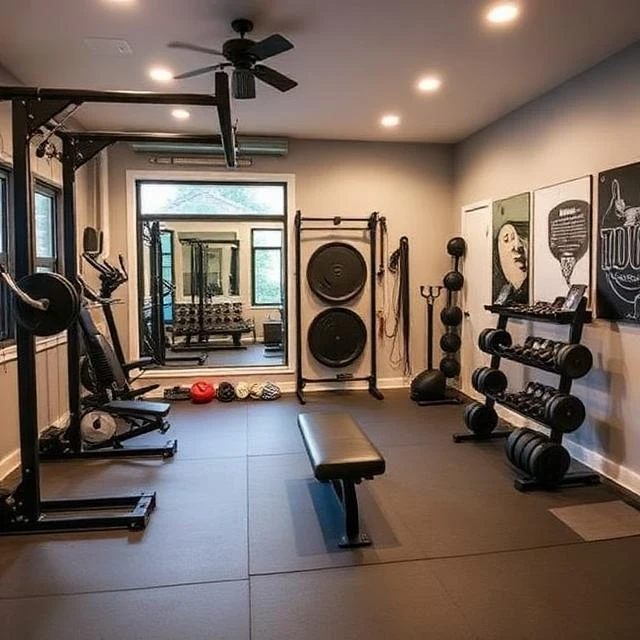
The good news is that almost any area can become a functional workout space:
- A spare bedroom
- A garage gym setup
- A conservatory or garden room
- A loft conversion
- A corner of the dining room
- A section of the living room
- A garden office
- Even the space under the stairs if you’re creative
The key isn’t the size of your workout space, it’s how consistently you use it. A small, well‑planned space you use regularly will outperform a large, unused room every time.
If, you can move freely, store your equipment safely, and train without constant interruptions, you already have everything you need to begin.
2. How Much Space Do You Really Need?
Most beginners dramatically overestimate how much room a home gym requires. You don’t need a studio‑sized area or a full garage conversion to train effectively.
Quick Planning Tip
Before buying any equipment, use masking tape to mark out the space on your floor. Spend a few minutes performing squats, lunges, overhead reaches, and floor exercises inside the marked area. This simple exercise quickly shows whether you have enough room and helps avoid expensive purchasing mistakes later.
Here’s a simple breakdown:
Bodyweight Workouts
Around 2m × 2m is plenty. This gives you enough room for press‑ups, squats, lunges, planks, and mobility work.
Resistance Bands
Similar to bodyweight training, 2m × 2m works well. Bands require movement, not space.
Dumbbells
A little more room helps, but not much. Around 2m × 2.5m is comfortable for most dumbbell exercises.
Bench Workouts
A bench plus dumbbells fits nicely into 2m × 3m. This is still smaller than most people expect.
Power Racks
These require considerably more space, typically 3m × 3m or more, plus ceiling height clearance. Most beginners don’t need a rack immediately, so don’t let this limit your planning.
The takeaway: You need far less space than you think. A well‑organised small home gym can be just as effective as a large one.
3. Ceiling Height Matters
This is something many beginners overlook, but it’s crucial.
Ceiling height affects:
- Overhead presses
- Skipping rope
- Pull‑up bars
- Wall‑mounted equipment
- Garage beams
- Lighting fixtures
- Ceiling fans
If, you’re planning to press dumbbells overhead, make sure you have enough clearance. Garages often have lower ceilings, and loft conversions may have sloped roofs. Even living rooms can have hanging lights that get in the way.
A quick measurement now prevents frustration later.
4. Flooring
Your flooring affects comfort, safety, and noise, and it protects both your equipment and your home.
Here are the main options:
Carpet
Soft and comfortable, but not ideal for heavy weights. Great for bodyweight and resistance band workouts.
Laminate or Hardwood
Easy to clean, but can be slippery and noisy. Use rubber mats on top for protection.
Garage Concrete
Durable but uncomfortable. Rubber flooring is essential here.
Rubber Mats
The best all round option. Protects floors, reduces noise, and improves stability.
Horse Stall Mats
Extremely durable and popular in garage gyms. Heavy, long‑lasting, and excellent for weight training.
Foam Tiles
Good for light training, but not ideal for heavy lifting. Comfortable for mobility and stretching.
Choose flooring based on your training style, not aesthetics. Think of your flooring as part of your training equipment, it protects both your body and your investment. If, you’re renting your home, removable rubber mats or foam tiles provide excellent protection without permanently altering the room.
5. Ventilation and Temperature
Comfort encourages consistency.
Fresh air and temperature control make a huge difference in how enjoyable your workouts feel. Excess humidity can also shorten the lifespan of certain equipment, particularly resistance bands and foam flooring, making good airflow beneficial for both you and your investment.
Ventilation Tips
- Open windows
- Use fans
- Avoid stale, humid rooms
- Consider a small air purifier for dusty garages
Temperature Considerations
- Garages can be freezing in winter
- Conservatories can be boiling in summer
- Hydration becomes more important in hot spaces
- Layering clothing helps in cold environments
A comfortable workout space is one you’ll return to regularly.
6. Lighting
Lighting affects mood, safety, and motivation.
Natural Light
Ideal when available, bright, energising, and uplifting.
LED Lighting
Perfect for garages, lofts, and darker rooms. Choose bright, neutral lighting to avoid shadows.
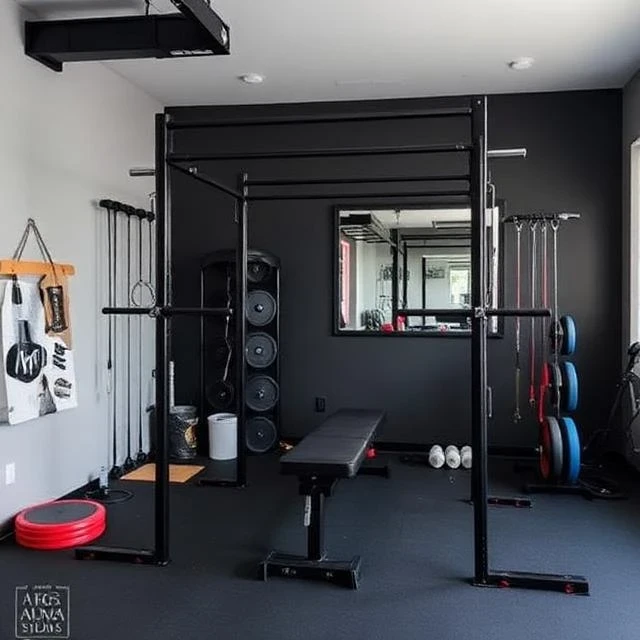
Mirrors (Optional)
Mirrors are there to help you check your technique and posture, not to compare yourself with anyone else. They help you maintain form and stay safe.
Avoid dark, gloomy spaces. A well‑lit home gym feels more inviting and more professional.
7. Noise
Noise is often overlooked, especially in UK homes where space is tight. If, you live in a flat, choosing slower strength workouts over jumping exercises can dramatically reduce noise while still providing excellent results.
Consider:
- Upstairs workouts
- Jumping or skipping
- Dropping weights
- Children sleeping
- Neighbours
- Rubber flooring for noise reduction
- Quieter equipment like resistance bands
If, noise is a concern, choose equipment that won’t disturb others. Resistance bands, adjustable dumbbells placed down carefully, and slower strength workouts are often far quieter than jumping exercises or dropping weights.
Returning every piece of equipment to the same place after each workout also helps keep your space organised and makes starting your next session much easier.
8. Storage
Storage is essential for keeping small home gyms tidy and functional.
Great options include:
- Wall mounted hooks
- Shelving units
- Storage benches
- Under bed storage
- Folding benches
- Compact dumbbell racks
- Pegboards for bands and accessories
- Emergency contact if training alone
A clutter free space feels bigger, safer, and more motivating.
9. Safety
Safety builds trust, and it’s often forgotten in beginner guides.
Make sure your space has:
- Clear walkways
- No loose electrical cables
- Non-slip flooring
- Safe weight storage
- Adequate lighting
- No trip hazards
- Equipment stored safely away from pets and children
- Your phone nearby if training alone
- A basic first aid kit
Think About Future Growth
One mistake beginners make is designing a workout space only for today.
Ask yourself:
- Will I eventually buy adjustable dumbbells?
- Could I add a bench?
- Will resistance bands need a door anchor or wall anchor?
- Is there enough room to expand?
Planning ahead now prevents having to completely redesign your gym later. A safe home gym is a long-lasting home gym.
10. Creating a Space, You’ll Want to Use
This is where your personality comes in.
Small touches make your home gym feel inviting:
- Music or a Bluetooth speaker
- A motivational quote
- A clock or timer
- A whiteboard for tracking workouts
- Plants
- Fresh paint
- A small TV or tablet holder
- A water bottle station
- A towel hook
People return to spaces they enjoy. Make your home gym a place you want to be.
Beginner Space Checklist
1. Enough room to move freely
2. Good lighting
3. Fresh air
4. Safe flooring
5. Equipment storage
6. Water nearby
7. No trip hazards
8. Comfortable temperature
9. Motivation visible
10. Ready to train
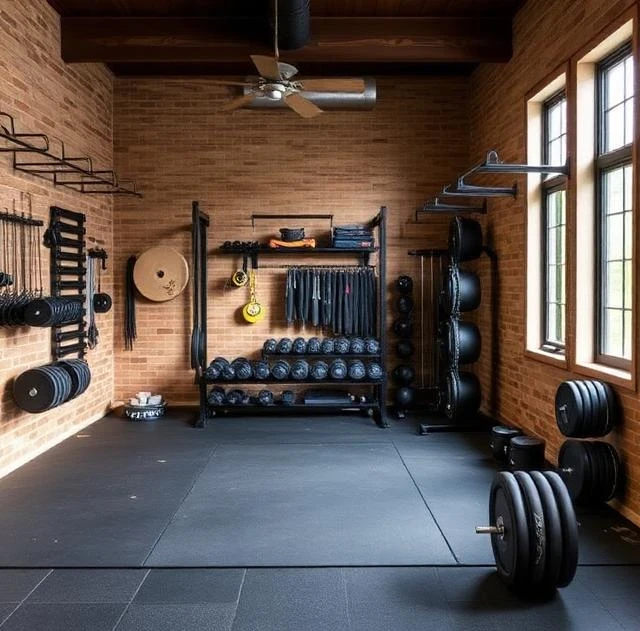
Common Mistakes
Beginners often:
- Buy equipment before measuring
- Block doors or walkways
- Ignore ceiling height
- Forget to protect flooring
- Create clutter
- Choose convenience over safety
- Buying equipment that doesn’t fit through your doorway
It sounds silly…
..until it happens.
It happens more often than you’d think, especially with garage gyms and larger pieces of equipment. Avoid these early, and your home gym will feel better from day one.
Last Words
Remember, building a home gym isn’t about creating the perfect room overnight. It’s about creating a space that removes excuses and encourages consistency. Even a small corner that you use three times each week will deliver better results than a large gym that sits unused.
In the next chapter, we’ll begin choosing the equipment that will form the foundation of your home gym, helping you choose equipment that matches your goals, invest wisely, and avoid the common buying mistakes that catch out so many beginners…
Chapter 2 Key Takeaways
- You don’t need a dedicated room to build an effective home gym.
- Plan your space before buying equipment.
- Good flooring, lighting, and ventilation improve every workout.
- Leave room for future growth.
- A tidy, organised gym is easier to use consistently.
____________________________________________________________________________________
Chapter 3: Choosing the Right Equipment for Your Goals
One of the biggest mistakes beginners make is believing they need to buy everything at once. In reality, the best home gyms are built gradually, with each piece of equipment chosen because it serves a clear purpose. This chapter will help you understand what to buy first, what can wait, and how to build a home gym that grows alongside your fitness journey.
The good news is that building a home gym doesn’t happen overnight – and it doesn’t need to. Many of the best home gyms begin with nothing more than a mat and a pair of dumbbells before gradually expanding over months or even years. By buying with purpose rather than impulse, you’ll save money, avoid clutter, and create a space that genuinely supports your long-term fitness goals.
Whether you’re searching for home gym equipment for beginners, planning a beginner home gym setup, or simply trying to choose the best home gym equipment UK, this chapter gives you clarity, confidence, and direction.
Quick Take
In this chapter you’ll learn:
- How to choose equipment that matches your goals
- What every beginner should buy first
- Which expensive purchases can wait
- How to build your home gym in affordable stages
- How to avoid wasting money on unnecessary equipment
Start With Your Goal
Your goal determines your equipment. Not trends. Or influencers. Not what someone else has in their garage.
When you choose equipment based on your goal, your home gym becomes efficient, affordable, and genuinely useful.
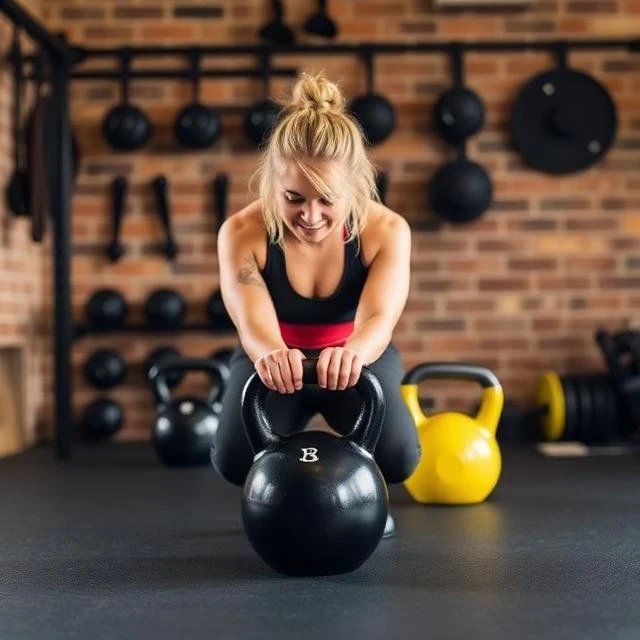
Remember that your goals can change over time. Someone who starts with weight loss may later develop an interest in strength training or muscle building. A flexible home gym allows your equipment to evolve alongside your ambitions.
Weight Loss
Focus on movement, consistency, and calorie burn. Ideal equipment:
- Resistance bands – full‑body, joint‑friendly, perfect for circuits
- Skipping rope – unmatched calorie burn per minute
- Exercise mat – essential for floor work
- Walking – free, accessible, sustainable
- HIIT – can be done with zero equipment
- Walking – free, accessible, sustainable, and one of the easiest habits to maintain
Muscle Building
Prioritise progressive overload and simple, effective tools. Ideal equipment:
- Dumbbells – the backbone of hypertrophy training
- Bench – increases exercise variety
- Adjustable dumbbells – cost‑effective progression
- Progressive overload – the real driver of muscle growth
General Fitness
A balanced mix of strength, mobility, and conditioning. Ideal equipment:
- Bands
- Dumbbells
- Bodyweight training
- Mobility tools
Strength
You don’t need a full power lifting setup on day one. Ideal equipment:
- Heavier dumbbells
- Kettlebells
- Pull‑up bar
- Bench
- Eventually: squat rack + barbell
Key principle: Equipment should support the goal, not the other way around.
The Five Essential Equipment Categories
Instead of thinking in terms of individual products, think in terms of equipment categories. Almost every successful home gym, regardless of budget, is built around a handful of versatile tools. Understanding these categories helps you prioritise purchases instead of chasing every new fitness trend.
1. Bodyweight
Free, effective, and ideal for beginners. Push-ups, squats, planks, and lunges all build strength before you ever touch a weight.
2. Resistance Bands
Affordable, portable, and versatile. Perfect for warm-ups, mobility, strength training, and travel. (Links naturally to your resistance band guide.)
3. Dumbbells
The foundation of most home gyms. They allow progression, variety, and full‑body training. (Links to your dumbbell guide.)
4. Kettlebells
Excellent for conditioning, strength, and power. Swings, goblet squats, carries—simple movements, huge return. (Links to your kettlebell articles.)
5. Cardio Equipment
Not everyone needs large cardio machines.
Walking, jogging, stair climbing and skipping provide outstanding cardiovascular exercise with little or no equipment.
Other options include:
- Jump rope
- Walking pad
- Exercise bike
- Rower
What Equipment Can Wait
Why beginners often buy too much
Many people worry they’ll “outgrow” basic equipment quickly.
In reality, most beginners have months or even years of progress available using nothing more than bodyweight exercises, resistance bands, and adjustable dumbbells.
Master the basics first
You’ll often progress much faster by improving your technique than by buying more equipment. Equipment beginners usually don’t need immediately:
- Cable machines
- Smith machines
- Power racks
- Leg press
- Heavy barbells
- Multi‑gyms
- Large cardio machines
Why? Because they’re expensive, space‑hungry, and unnecessary until you’ve built a foundation of strength and consistency.
Buying in Stages
A beginner home gym setup should grow gradually. Here’s a simple, realistic progression.
First stage One (£0–£100)
- Mat
- Bands
- One pair of dumbbells
- Bench
- Adjustable dumbbells
- Kettlebell
- Mini bands
Third stage Three (£300+)
- Storage
- More weights
- Pull-up bar
- Cardio equipment
- Eventually: a rack if needed
This staged approach keeps your budget under control and ensures every purchase has purpose. There’s no deadline for reaching Stage Three. Some people are perfectly happy staying with a simple setup for years, while others gradually build a dedicated home gym. Progress at your own pace.
Quality vs Quantity
One adjustable dumbbell set is better than six cheap plastic gadgets.
A recurring theme throughout this guide should be:
Buy less. Buy better. Use it often.
High‑quality equipment lasts longer, feels better, and makes training more enjoyable. A smaller collection of equipment you use every week is worth far more than a room full of equipment gathering dust.
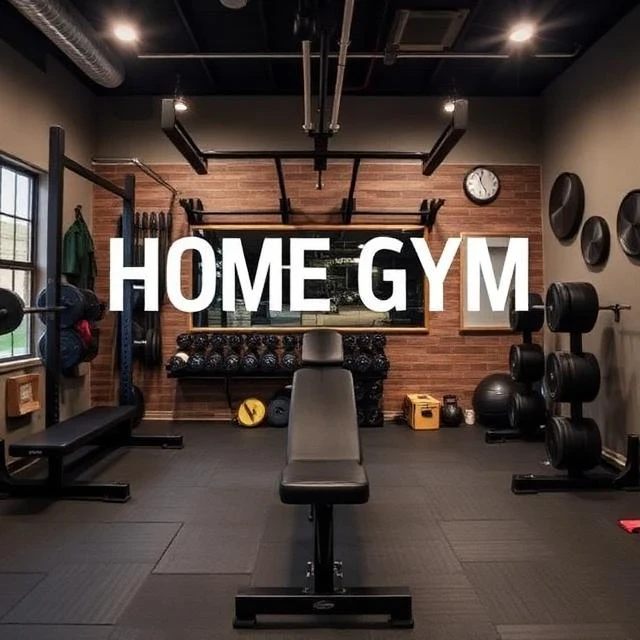
Matching Equipment to Your Space
Your space determines what’s realistic.
Garden Office / Garden Room
- Dumbbells
- Bench
- Bands
- Kettlebells
- Excellent all-year training space
Garden rooms have become really popular in the UK.
Small Flat
- Resistance bands
- Adjustable dumbbells
- Fold-away bench
Living Room
- Fold-away equipment
- Storage bench
- Adjustable dumbbells
- Spare Room
- Dumbbells
- Bench
- Bands
- Kettlebells
Garage Almost anything
Garden Office / Garden Room
• Almost anything
Excellent all-year training space.
Common Buying Mistakes
Beginners often fall into predictable traps. This section brings together lessons from your other guides.
Common mistakes:
- Buying everything at once
- Copying influencers
- Buying too heavy
- Buying too light
- Ignoring progression
- Buying poor quality
- Chasing bargains
- No plan
· Buying equipment because it’s on sale rather than because you need it.
This reinforces your authority and protects the reader from wasted money.
My Recommended Starter Kit
If, someone asked me to build a beginner home gym today, I’d recommend:
- Exercise mat
- Adjustable dumbbells
- Resistance bands
- Water bottle
- Timer
- Small notebook or workout app
That’s it. Everything else can come later. A mirror can also be a useful addition for checking technique, but it isn’t essential when you’re starting out.
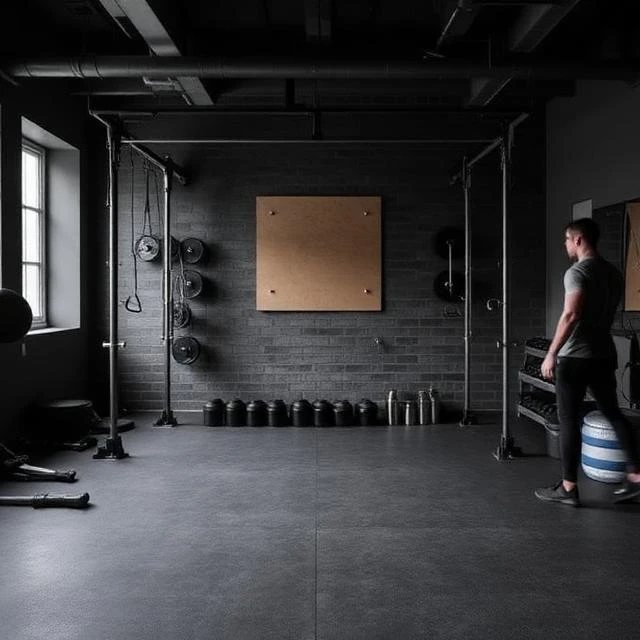
Optional extras include a mirror for checking technique and a resistance band door anchor for even greater exercise variety.
Beginner Equipment Checklist
- Goals identified
- Budget set
- Space measured
- Essential equipment chosen
- Storage planned
- Progression considered
- Safety checked
- Excited to begin
Last Words
Don’t worry about building the perfect home gym from day one. Start with the essentials, train consistently, and let your setup develop naturally as your confidence and experience grow. The best home gyms aren’t built in a weekend, they’re built one thoughtful decision at a time.
Remember, the equipment is simply the tool. Your commitment to using it is what creates the results.
In the next chapter, we’ll look at how to arrange your equipment into a safe, organised, and motivating workout space that you’ll enjoy using week after week.
Chapter 3 Key Takeaway
- Buy equipment to support your goals, not because it’s popular.
- Start with versatile equipment before expanding.
- Build your gym gradually as your fitness improves.
- Quality equipment usually offers better long-term value.
- Consistency matters far more than owning lots of equipment.
_____________________________________________________________________________
Chapter 4: Planning Your Home Gym Layout
Now that you know what equipment you’re buying, the next question is simple: where does it all go?
A great home gym layout isn’t about making your space look impressive – it’s about making it functional. When your layout is planned properly, everything becomes easier.
Think of your layout as the foundation for every future workout. A well-planned space saves time, reduces frustration, improves safety, and makes training feel effortless. Whether you’re working with an entire garage or a small corner of your living room, thoughtful planning helps you get the very best from every square metre.
- Workouts flow naturally
- Safety improves
- Space is used efficiently
- Equipment is easier to access
- Consistency becomes far more likely
A well designed home gym feels organised, comfortable, and enjoyable to train in. That’s the goal of this chapter.
Quick Take
In this chapter you’ll learn:
- How to arrange your equipment for safety and convenience.
- Why planning your layout before moving equipment saves time.
- How training zones improve workout flow.
- Simple storage ideas to reduce clutter.
- How to create a motivating space you’ll actually enjoy using.
Plan Before You Place
Before you start moving equipment around, take a moment to plan. A few minutes of preparation saves hours of rearranging later.
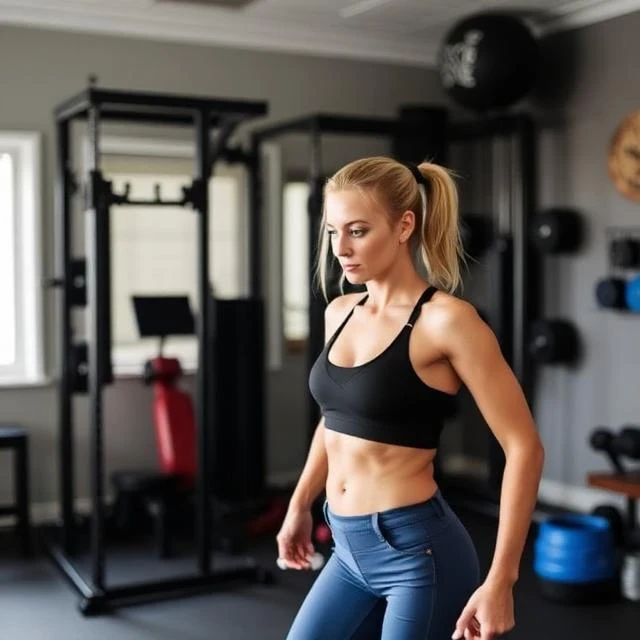
It also helps to think about how you’ll use the space over the next year, not just today. If, you plan to add adjustable dumbbells, a bench, or cardio equipment later, leave enough flexibility in your layout so future upgrades don’t require a complete redesign.
- Measure the room
- Sketch a simple floor plan
- Think about movement before equipment
- Leave room for future additions
Always plan around how you’ll move, not simply where equipment fits. This single idea will prevent 90% of layout mistakes.
Create Training Zones
Even small spaces benefit from simple zones. You don’t need separate rooms – just designated areas that guide the flow of your training.
Strength Zone
- Dumbbells
- Bench
- Kettlebells
Mobility Zone
- Mat
- Bands
- Foam roller
Cardio Zone
- Bike
- Walking pad
- Skipping rope
Zones help your workouts feel organised and intentional, even in tight spaces.
Even if all your equipment shares the same floor space, mentally separating your workout areas makes training feel more structured and helps you transition smoothly between exercises.
Leave Enough Clearance
Clearance is one of the most overlooked parts of home gym design. You need space to move, not just space to store equipment.
Make sure you have:
- Room to perform lunges
- Safe overhead pressing space
- Space around benches
- Clear walkways
Avoid leaving equipment on the floor between exercises. It’s one of the most common causes of trips and preventable injuries in home gyms.
Remember that many exercises involve moving in multiple directions. Always allow extra space around your body for swinging kettlebells, resistance bands under tension, or exercises that require stepping backwards or sideways.
Position Equipment Logically
Where you place equipment matters.
- Heavier equipment: Near walls, on stable flooring
- Frequently used items: Easy to reach
- Rarely used items: Higher shelves or tucked away
The easier equipment is to access, the more likely it gets used. Convenience is a powerful motivator.
Smart Storage
Storage is what separates a chaotic home gym from a professional feeling one. Build on the ideas from previous chapters and choose solutions that keep your space tidy. The quicker you can set up and pack away your equipment, the fewer excuses you’ll have for skipping a workout.
Options include:
- Wall hooks
- Pegboards
- Shelves
- Storage benches
- Under bench storage
- Fold away equipment
Your goal is simple: A room that’s ready whenever you are.
Mirrors – Helpful or Not?
Mirrors can be useful, but they’re not essential.
Benefits:
- Technique feedback
- Posture awareness
- Motivation
Drawbacks:
- Cost
- Wall space
- Not required for progress
If you enjoy training with a mirror, great. If not, you won’t miss out on anything important.
Power Points & Technology
Modern home gyms often include a few tech upgrades that make training smoother and more enjoyable.
Consider:
Entertainment
- Bluetooth speaker
- Smart TV
- Tablet holder
Training
- Workout apps
- Smartwatch
- Online coaching
Practical
- Charging points
- Wi-Fi
- Safe cable management
These small additions make your space feel more complete and more convenient.
Make It Motivating
A motivating environment increases consistency – and consistency drives results. Small touches make a big difference.
Ideas include:
- Plants
- Music
- Whiteboard
- Progress chart
- Clock
- Motivational quote
- Good lighting
- Fresh colours
People train more often in spaces they genuinely enjoy being in. Your home gym doesn’t need to look like a commercial fitness centre. It only needs to make you feel like exercising. A clean, welcoming environment can be surprisingly powerful when motivation is low.
Safety First
Safety should be built into your layout from the start.
Key points:
- Secure equipment
- Stable flooring
- No trip hazards
- Good ventilation
- Awareness of children and pets
- Clear fire exits
- Safe lifting area
A safe gym is a gym you can use confidently.
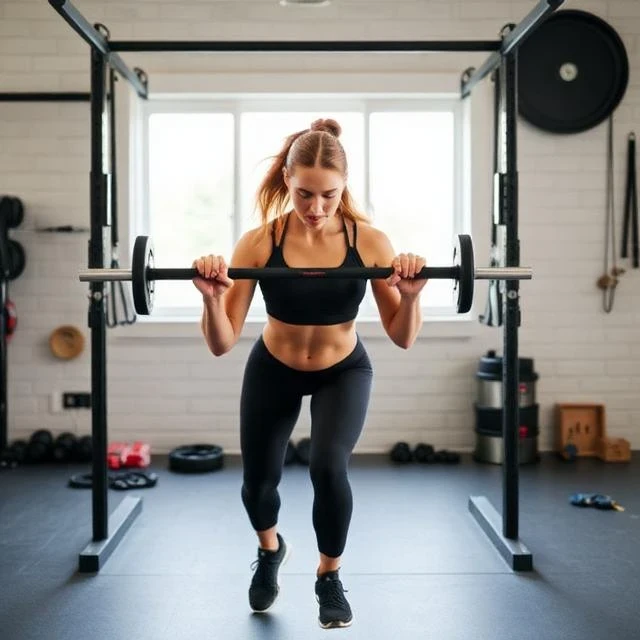
Common Layout Mistakes
These are the issues beginners run into most often:
Common mistakes:
- Buying equipment before measuring
- Blocking doors or walkways
- Buying too much equipment
- Poor lighting
- Ignoring storage
- Not leaving enough walking space
- Trailing cables
- Stacking heavy equipment unsafely
Avoid these and your gym will feel instantly more professional.
Home Gym Layout Checklist
A satisfying checklist to finish the chapter:
- Enough movement space
- Equipment organised
- Safe flooring
- Storage in place
- Good lighting
- Ventilation checked
- No trip hazards
- Water nearby
- Music ready
- Excited to train
Think About Expansion
One of the biggest advantages of a home gym is that it can evolve over time. Leave a little spare space wherever possible so you can add equipment gradually without overcrowding the room.
Today’s resistance bands may become tomorrow’s adjustable dumbbells, rowing machine, or power rack. Planning for that possibility now will save you reorganising your space later.
Last Words
Remember, the perfect home gym layout isn’t the one with the most equipment or the biggest room. It’s the one that removes obstacles between you and your next workout. When your equipment is organised, your space feels inviting, and everything is ready to use, exercising becomes less of a task and more of a natural part of your daily routine, with your space fully planned, it’s time to put it to work.
In the next chapter, you’ll learn how to create your first home workout routine, building a simple plan that develops strength, confidence, and consistency from day one.
Chapter 4 Key Takeaways
- Plan your layout before moving equipment into place.
- Leave enough space to move safely during every exercise.
- Organise equipment into simple training zones where possible.
- Good storage keeps your gym tidy and ready to use.
- Design your layout to grow alongside your fitness journey.
______________________________________________________________________________
Chapter 5: Creating Your First Home Workout Routine
The Paralysis Problem
Beginners don’t fail because they’re lazy. They fail because they’re overwhelmed.
They spend weeks – sometimes months – doing everything except training:
- Researching
- Buying equipment
- Watching YouTube
- Reading workout plans
- Comparing routines
- Overthinking every detail
And then they freeze. Sound familiar? You’re certainly not alone. Many beginners spend more time planning their workouts than actually exercising. They worry about choosing the “perfect” routine when, in reality, there isn’t one. Progress comes from taking action, learning as you go, and making small improvements over time.
This chapter breaks that paralysis by giving you the simple truth:
“Simple always beats perfect. Starting always beats planning”
A basic routine done consistently will outperform a “perfect” routine that never leaves the notebook.
Quick Take
In this chapter you’ll learn:
- How to choose a workout routine that matches your goals.
- Why simple routines outperform complicated ones.
- The movement patterns every beginner should know.
- How to build consistency without burnout.
- Why recovery is just as important as training.
1. Start With Your Goal
Before building any routine, beginners need clarity. Not complicated physiology. Not a 12 week periodised plan.
Just a simple question:
“What do I want right now?”
Most beginners fall into one of four categories.
Choose One Primary Goal
One mistake beginners often make is trying to achieve everything at once. They want to lose weight, build muscle, improve fitness, increase flexibility, and train for a marathon, all at the same time.
While it’s possible to make progress in several areas at once, choosing one primary focus makes planning much easier.
Ask yourself:
- What matters most to me right now?
- What result would make the biggest difference to my life?
- Which goal am I most likely to stay committed to?
Once you’ve answered those questions, build your routine around that priority. You can always adjust your focus as your fitness improves.
Beginner Tip
No need to wait until Monday.
Don’t wait until next month.
Don’t wait until you’ve bought the “perfect” equipment.
Start with what you have, where you are, and build from there.
Fat Loss
The priority here is movement. Not heavy lifting. Not advanced programming. Just getting the body working consistently.
Useful tools:
- Walking – the most underrated fat loss tool on earth
- Circuits – simple, repeatable, full‑body
- Bands – joint‑friendly, accessible
- HIIT (light) – short bursts, not punishment
The message: Move more, move often, keep it simple.
Muscle Building
This requires structure.
Key elements:
- Strength sessions – full‑body or upper/lower
- Progressive overload – improving something every week
- Recovery – sleep, protein, rest days
Beginners don’t need bodybuilding splits. They need consistency and gradual progression.
General Fitness
This is the “I want to feel better” category.
A combination works best:
- Strength
- Cardio
- Mobility
Nothing extreme. Just balanced training that improves energy, confidence, and daily movement.
Mobility & Health
Often overlooked, but vital for:
- Older beginners
- People returning from inactivity
- Anyone with stiff joints
- People who simply want to feel good again
Useful tools:
- Stretching
- Walking
- Bands
- Balance work
This category builds the foundation for everything else.
2. How Many Days Per Week?
This is one of the most important decisions for beginners.
People assume they need 5–6 days per week. They don’t.
Here’s the truth:
- One day? Still worthwhile. One good session per week beats zero.
- Two days? Solid progress. Very achievable.
- Three days? The sweet spot. Enough frequency to improve, not enough to overwhelm.
- Four days? Excellent if recovery is good.
- Five plus? Only if training is planned properly. Most beginners burn out here.
The message you want readers to feel:
Three sessions per week is enough.
Enough to build strength. Lose fat. Enough to transform their body.
That reassurance keeps people consistent.
3. The Six Movement Patterns
Most beginner articles skip this entirely – and it’s a huge mistake.
If, someone understands movement patterns, they can build hundreds of workouts without ever feeling lost.
Think of these movement patterns as the building blocks of strength training. Rather than memorising dozens of individual exercises, you’ll simply learn a handful of movement patterns that can be adapted to suit any fitness level.
Every full‑body workout should include:
- Push
- Pull
- Squat
- Hinge
- Core
- Carry (optional but fantastic)
If, they learn these patterns, they’ll never need to memorise long routines. They’ll understand why exercises matter, not just what to do.
This is how you build confident lifters.
This will be one of the most valuable sections in the entire guide.
A simple, sensible, repeatable routine.
Warm Up
- 5 minutes walking
- Shoulder circles
- Hip circles
- Bodyweight squats
Nothing complicated. Just getting the body ready.
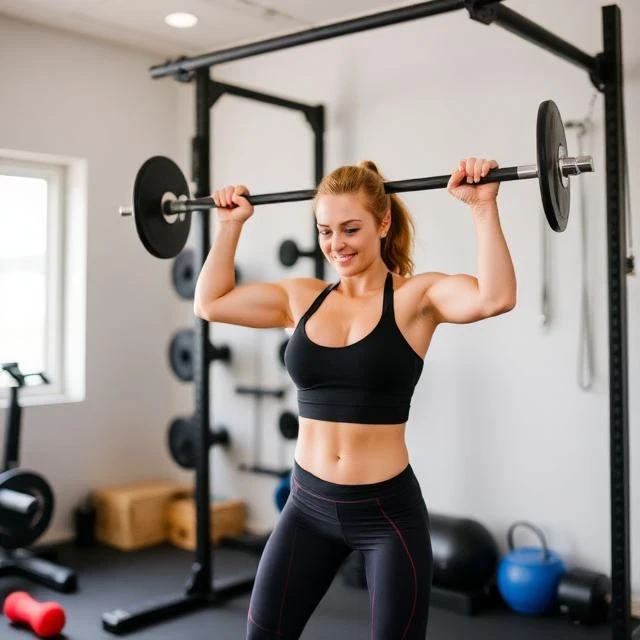
Beginner Full-Body Workout
Exercise Sets Reps
Goblet Squat 2–3 8–12
Incline Press-Up 2–3 8–12
Resistance Band Row 2–3 10–15
Romanian Dead lift 2–3 8–12
Standing Overhead Press 2–3 8–12
Plank 2 20–40 sec
This covers every movement pattern. Because it’s joint‑friendly. It’s scalable. It’s achievable for almost everyone.
Cool Down
- Stretching
- 5–10 minutes
Again – simple beats fancy.
5. Progressive Overload
Link this to your previous chapter on progressive overload.
Explain the core principle:
Don’t change everything. Just improve something.
Examples:
- one more rep
- slightly better form
- slightly longer plank
- Lift a slightly heavier dumbbell
- slightly slower tempo
- one extra workout completed this month
Remember, your body doesn’t know what day it is or which workout you’re following. It simply responds to being challenged a little more than last time.
6. Recovery
This section is huge.
Beginners underestimate recovery more than anything else.
Key elements:
- Sleep – the biggest performance enhancer
- Protein – essential for muscle repair
- Hydration – affects energy, strength, and focus
- Rest days – where the actual progress happens
- Walking – low stress movement
- Mobility – keeps joints happy
The message:
Recovery is training.
If, they ignore recovery, they will stall. If they prioritise it, they will thrive.
Listen to Your Body
Feeling slightly sore after a workout is perfectly normal, especially when you’re starting out. However, sharp pain, persistent fatigue, or discomfort that affects your daily activities shouldn’t be ignored. Rest when needed, focus on good nutrition and sleep, and don’t be afraid to take an extra recovery day if your body needs it.
Recovery isn’t a sign of weakness, it’s part of the training process that allows your body to adapt and improve.
7. Tracking Progress
Beginners need feedback. It keeps them motivated and shows them they’re improving.
Options:
- Completing your workouts consistently
- Strength increases
- Better technique
- More energy
- Better sleep
- Confidence
- Progress photos
Progress isn’t measured by body weight alone.

Celebrate improvements such as:
- Lifting heavier weights
- Completing more repetitions
- Better technique
- Improved balance
- More energy
- Better sleep
- Clothes fitting differently
- Increased confidence
Some of the biggest victories never appear on a scale.
The most important thing to celebrate?
Consistency.
Not perfection. Not intensity. Or comparison.
Consistency.
8. Beginner Mistakes
This is where you reinforce authority and prevent frustration.
Common mistakes:
- Changing routines weekly
- Too much volume
- Too much weight
- Training every day
- Skipping warm ups
- Comparing themselves to influencers
- Ignoring recovery
- Not enjoying training
- Expecting results after only 2 weeks
- Skipping workouts after missing one session
Each of these leads to burnout, injury, or quitting.
Your job is to steer them away from all of it.
9. Sample Weekly Routine
A simple, achievable weekly plan:
Monday – Full Body A
Tuesday – Walk
Wednesday – Rest
Thursday – Full Body B
Friday – Walk
Saturday – Mobility
Sunday – Rest
This is realistic. Balanced. Sustainable.
And most importantly – repeatable.
Remember Why You Started
There will be days when motivation disappears. That’s completely normal. On those days, don’t focus on having the perfect workout, focus on simply showing up. Even a short 15-minute session keeps your routine alive and reinforces the habit you’re building.
Fitness isn’t about being perfect. It’s about being consistent enough that exercise becomes part of your lifestyle.
10. Checklist
A simple daily/weekly checklist:
- Did I train?
- Did I recover?
- Have I eaten well?
- Did I improve something?
- Did I enjoy it?
If, they can tick most of these boxes, they’re on the right path.
Last Words
Your first workout routine doesn’t need to be perfect.
It doesn’t need fancy exercises, expensive equipment, or hours of training each week.
It simply needs to be realistic enough that you’ll still be following it months from now.
Every experienced lifter started somewhere, and almost every successful fitness journey began with a handful of simple exercises performed consistently.
As your confidence grows, your routine will naturally evolve. You’ll learn what you enjoy, discover what challenges you, and gradually build a programme that fits your lifestyle and goals.
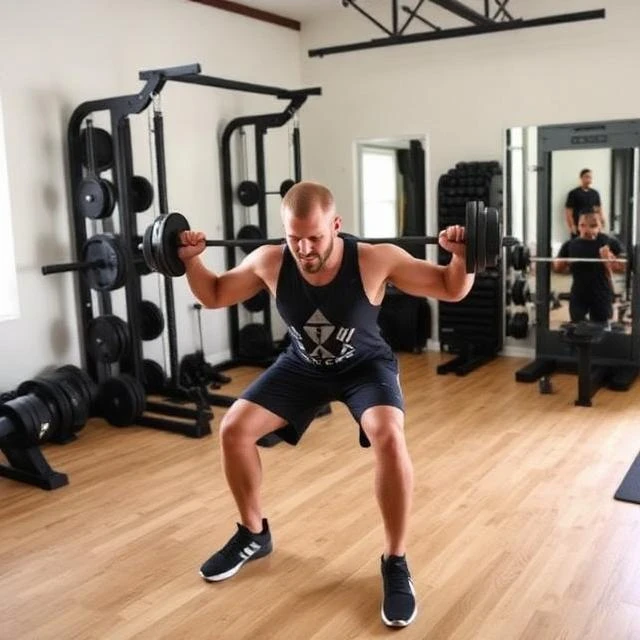
The important thing is to begin.
Because every workout you complete is another step towards becoming stronger, healthier, and more confident than you were yesterday.
Remember, your routine doesn’t have to impress anyone else. It simply has to be one you’ll keep coming back to.
Chapter 5 Key Takeaways
- Choose one primary goal before building your routine.
- Three well-planned sessions each week are enough for most beginners.
- Focus on movement patterns rather than memorising endless exercises.
- Improve one small thing each workout through progressive overload.
- Consistency and recovery produce better long-term results than perfection.
_________________________________________________________________________________
Chapter 6: Staying Motivated and Building Lasting Habits
Most people don’t quit because they chose the wrong dumbbells. They quit because life gets in the way.
This chapter is about the psychology of sticking with your training, the part every beginner struggles with once the initial excitement fades. It answers the question almost everyone asks themselves at some point:
“How do I keep going after the excitement wears off?”
Building a home gym is an exciting first step, but buying equipment is only half the battle. The real challenge isn’t finding the perfect workout, it’s continuing to train once everyday life takes over.
Every beginner experiences moments when enthusiasm fades. That’s completely normal. The difference between those who succeed and those who give up isn’t willpower, it’s the habits they build along the way.
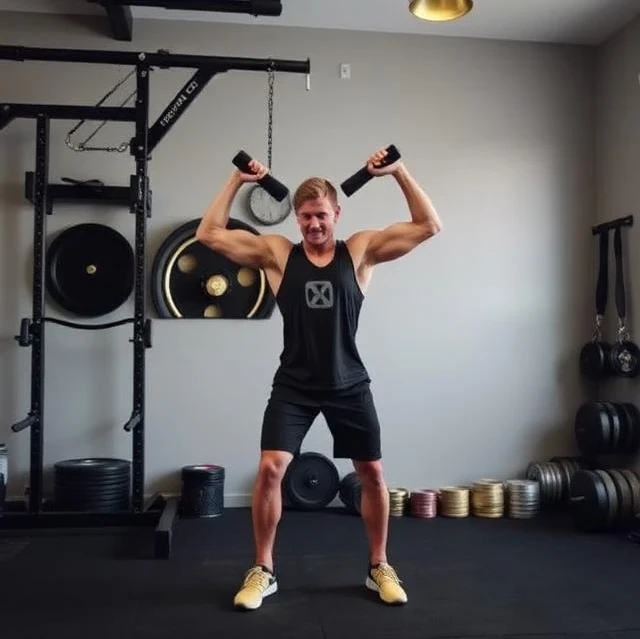
In this chapter, you’ll learn practical strategies for staying motivated, building lasting routines, and making exercise a natural part of your daily life.
Quick Take
In this chapter, you’ll learn:
- Why motivation naturally comes and goes, and why that’s perfectly normal.
- How building small daily habits leads to long-term success.
- Simple ways to make exercise easier to start and stick with.
- How to recover from setbacks without losing momentum.
- Why consistency will always outperform perfection.
Motivation Doesn’t Last
Motivation is a wonderful feeling, but it’s also unreliable. Some mornings you’ll wake up excited to train. Other days you’d rather stay in bed. That’s normal.
Think about New Year’s Day. New equipment. New routines. Fresh enthusiasm.
For a few weeks everything feels easy. Then life returns to normal, work, family, stress, tiredness, and motivation quietly slips away.
This happens to everyone. The people who succeed aren’t the ones who feel motivated every day; they’re the ones who learn to take action even when motivation disappears.
Habits Beat Motivation
This is one of the biggest messages in the entire book.
Motivation asks: “Do I feel like exercising?”
Habits ask: “Is it time to exercise?”
It’s a small difference with a huge impact.
When you rely on motivation, you train only when you feel inspired. When you rely on habits, you train because it’s part of your routine, just like brushing your teeth or making your morning coffee.
Successful people don’t wait for inspiration. They build systems.
Start Ridiculously Small
One of the most effective ways to build habits is to start so small you can’t fail.
Examples:
- One exercise
- Ten minutes
- One walk
- Five push-ups
Small victories become routines. Routines become habits. Habits become part of your identity.
The Two-Minute Rule
One of the easiest ways to overcome procrastination is to promise yourself you’ll exercise for just two minutes.
That might sound too simple to work, but it removes the biggest barrier, getting started.
Once you’ve put on your trainers, picked up your dumbbells, or stepped onto your exercise mat, you’ll often find yourself continuing far beyond those first two minutes.
Some days you may stop after a short session, and that’s perfectly fine. The goal isn’t to complete the perfect workout every time; it’s to reinforce the habit of showing up.
Consistency begins with starting.
Make Exercise Easy
Most people don’t struggle with the workout, they struggle with starting the workout.
Remove friction:
- Leave your trainers out
- Keep dumbbells visible
- Lay out your clothes
- Fill your water bottle
- Charge your phone
- Have your playlist ready
Make starting effortless and you’ll start more often. The easier it is to begin, the less opportunity your brain has to invent excuses.
Set Goals That Actually Work
Outcome goals sound impressive:
- Lose 20kg
- Get fit
- Build muscle
But they’re vague, distant, and easy to abandon.
Process goals keep you moving:
- Train three times this week.
- Walk every Monday, Wednesday, and Friday.
- Stretch for five minutes after each workout.
Process goals beat outcome goals because they focus on actions you control. Focus on the actions, and the results will usually follow.
Tracking Progress
Progress isn’t only measured on scales.
People notice:
- Better sleep
- More energy
- Climbing stairs more easily
- Clothes fitting differently
- Improved confidence
These changes matter just as much as physical results, sometimes even more.
Remember that progress is rarely linear. Some weeks you’ll feel stronger, while other weeks may feel more difficult despite your best efforts. That’s a normal part of any fitness journey.
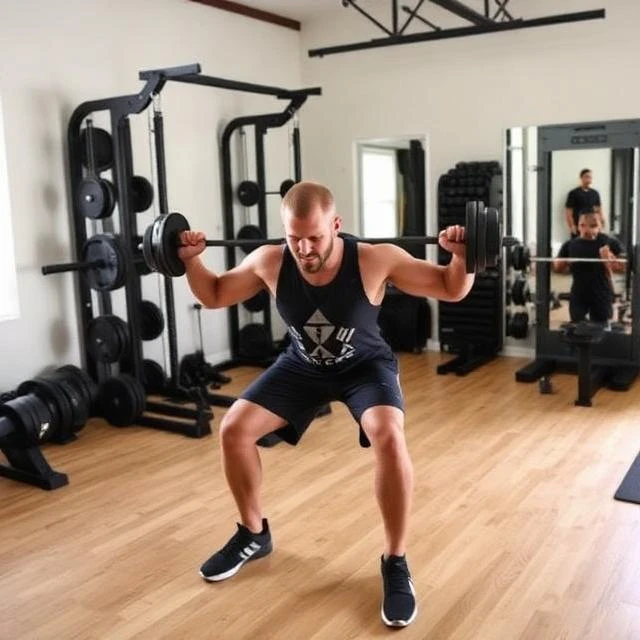
Rather than judging success by a single workout or the number on the scales, look at your progress over weeks and months. Small improvements add up to remarkable results over time.
If, you want to build a simple system, you can explore progress tracking methods.
Expect Setbacks
Everyone misses workouts.
Holidays. Illness. Busy weeks. Family commitments. Work pressure.
Missing one workout changes nothing. Missing a month starts a new habit.
A phrase worth remembering:
Never miss twice
It’s powerful without being preachy. If, you want strategies for bouncing back, explore setback recovery.
Celebrate Small Wins
Small wins keep you moving forward.
Success isn’t built in one extraordinary workout. It’s built through hundreds of ordinary workouts completed consistently.
Examples:
- First workout
- Your first week completed
- First press-up
- Your first pull-up
- First kilogram lost
- First month completed
Progress deserves recognition.
Every milestone is proof that your habits are becoming stronger.
Find Your Enjoyment
People often force themselves into workouts they hate. That never lasts.
There is no single “best” form of exercise. The best workout is the one you’ll continue doing six months from now.
If, you dislike running, don’t force yourself to run. If, you enjoy resistance bands more than barbells, embrace them. Fitness should improve your life, not become something you dread.
Enjoyment creates consistency, and consistency creates results.
Experiment until you find something you genuinely enjoy:
- Walking
- Cycling
- Resistance band training
- Dumbbells
- HIIT
- Yoga
- Swimming
- Gardening
Movement is movement.
Building Your Identity
At first people say:
“I’m trying to exercise.”
Eventually they begin saying:
“I’m someone who exercises.”
That shift changes everything.
Identity drives behaviour. When exercise becomes part of who you are, consistency becomes natural. If, you want to explore this deeper, look at identity-based habits.
Beginner Habit Checklist
A simple box to finish the chapter:
- I planned my workouts
- I prepared my equipment
- I’ve trained this week
- I celebrated progress
- I’ve recovered well
- I didn’t let one missed workout stop me
- I’m building habits, not chasing motivation
Final Words
The people who succeed aren’t always the strongest, fastest, or most experienced. They’re simply the ones who keep showing up.
Building lasting fitness isn’t about waiting for the perfect moment or feeling motivated every day. It’s about creating simple habits that make exercise a natural part of your routine.
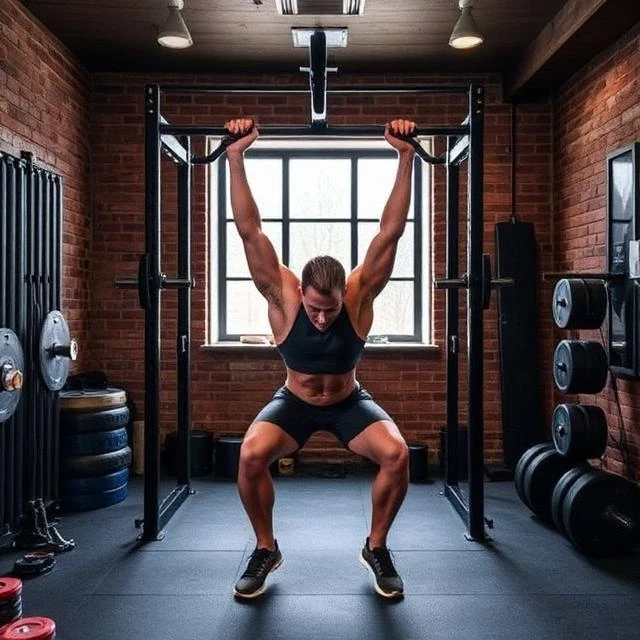
Every workout, no matter how short, is another vote for the person you’re becoming. Keep showing up, celebrate your progress, and trust the process.
Months from now, you won’t remember every individual workout, but you’ll appreciate the confidence, strength, and healthier lifestyle they helped you build.
The Ultimate Beginner’s Guide to Building a Home Gym (UK)
Learn how to create an affordable, practical home gym that fits your space, your budget, and your goals.
By Ultimate Training Gear
In the final chapter, we’ll bring everything together and show you how your home gym, and your fitness journey, can continue growing for years to come.
Takeaway
The most important lessons from this chapter:
- Motivation is temporary, but strong habits can last a lifetime.
- Starting small makes it easier to stay consistent.
- Make exercise as easy as possible by removing unnecessary barriers.
- Don’t let one missed workout become two.
- The goal isn’t perfection – it’s becoming someone who exercises regularly.
_____________________________________________________________________________________
Chapter 7: Growing Your Home Gym and Your Fitness Journey
Your home gym isn’t something you finish – it’s something that grows alongside you.
By now, you’ve chosen your space, selected equipment that suits your goals, created your first workout routine, and started building habits that support long-term success.
So, what happens next?
The answer is simple: your fitness journey doesn’t end when your home gym is complete. As your confidence grows, your goals will evolve, your knowledge will expand, and your training space will naturally develop with you.
Quick Take
In this chapter, you’ll learn:
- How your home gym can evolve as your fitness goals change.
- When it’s worth upgrading your equipment – and when it isn’t.
- Why continuous learning keeps your training fresh and rewarding.
- How to recognise progress beyond the scales or mirror.
- Why building a home gym is really about building a healthier lifestyle.
Remember Why You Started
Everyone begins with a reason.
Perhaps you wanted to:
1.Improve your health
2. Lose weight
3. Build muscle
4. Feel stronger
5. Increase your energy
6. Reduce stress
7. Spend more time with your family
8. Avoid expensive gym memberships
Those reasons matter, but they also change.
That evolution is normal. It’s part of the journey.
Build Before You Buy
This philosophy runs through the entire guide.
Progress should come before purchases.
Instead of thinking:
“I need another machine.”
Ask:
“What problem am I trying to solve?”
Often the solution isn’t new equipment. It might be:
- Better consistency
- Heavier dumbbells
- Improved technique
- More sleep
- Better programming
Equipment should solve problems, not create clutter. The strongest home gyms are built with purpose, not impulse.
When Should You Upgrade Equipment?
Upgrade when:
- Current weights are consistently too easy
- Equipment is limiting progress
- Training goals have changed
- Old equipment has worn out
Not because:
- It’s on sale
- Someone on YouTube bought it
- It looks impressive
- You feel you “should”
Ask yourself one simple question:
“Has my progress outgrown my equipment?”
If, the answer is yes, it may be time to upgrade.
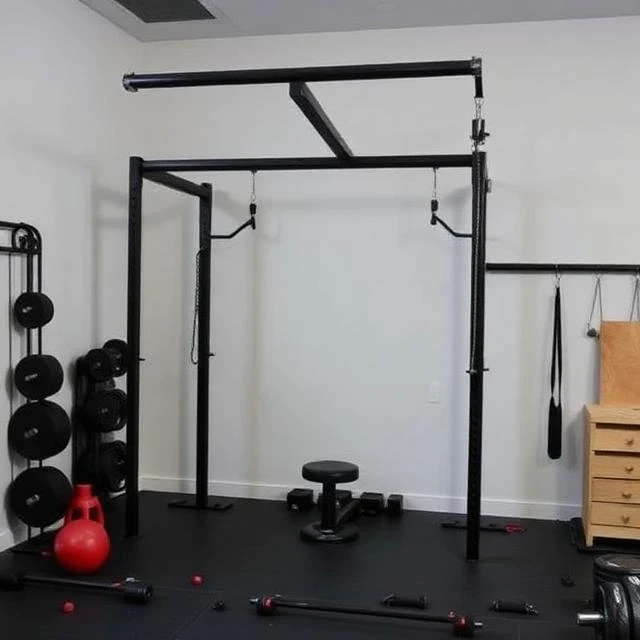
How Your Home Gym Will Evolve
A realistic journey might look like this:
Month 1
- Exercise mat
- Resistance bands
- One pair of dumbbells
Month 6
- Adjustable dumbbells
- Weight bench
- Mini resistance bands
- Storage solution
Year 1
- Heavier kettlebells
- Pull-up bar
- Extra flooring
- Better organisation
Year 3+
Perhaps..
- Power rack
- Olympic barbell
- Dedicated cardio machine
- A fully equipped garage gym
Remember, this timeline is only an example. Some people remain perfectly happy with a simple setup for years, while others gradually expand into a dedicated training space. There is no right or wrong pace, only the pace that suits your goals.
Keep Learning
Fitness never stops evolving, and neither will you.
Readers might explore:
- Nutrition
- Recovery
- Progressive overload
- Resistance bands
- Dumbbells
- Kettlebells
- Home gym ideas
- Equipment reviews
- Workout plans
Your home gym becomes the centre of your learning, and every new skill you learn gives you another tool to make your training safer, more enjoyable, and more effective.
Remember, you don’t need to learn everything at once. Focus on mastering one topic, apply what you’ve learned, then move on to the next.
Common Long-Term Mistakes
A few pitfalls to avoid:
- Doing the same workout forever
- Ignoring recovery
- Never increasing resistance
- Buying equipment instead of training
- Comparing yourself with others
- Skipping mobility
- Expecting perfection
- Losing patience
- Forgetting how far you’ve already come
- Thinking progress has to be perfect.
Celebrate Progress
Some of the biggest victories never appear on a scale.
- Better sleep
- More energy
- Lower stress
- Walking upstairs without getting out of breath
- Playing with your children more easily
- Feeling stronger every week
- Growing in confidence
These victories often matter far more than a number on the scales because they improve the quality of your everyday life.
Your Home Gym Is More Than Equipment
At first, it’s just:
A mat. A bench. Some weights.
Eventually it becomes:
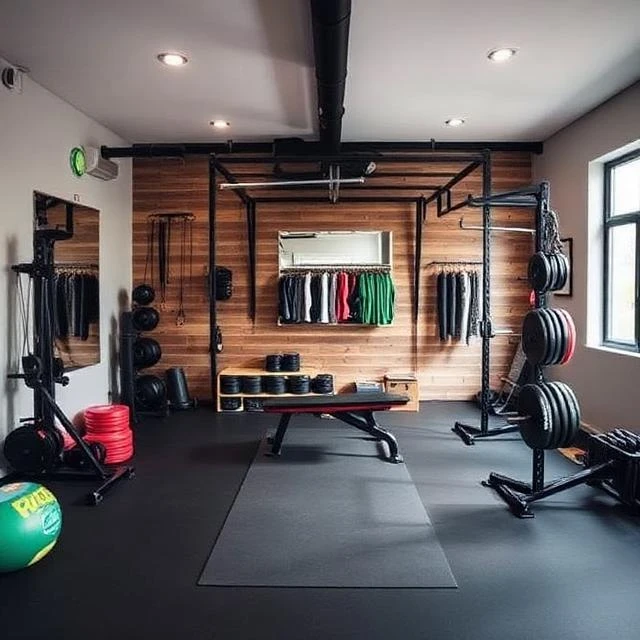
The place you clear your head. The place that reduces stress, and the place that builds confidence. Where difficult days become better.
Your home gym becomes part of your life, not just part of your house.
Final Checklist
- My space works for me
- I understand my equipment
- I’ve planned a routine
- I know how to progress
- I know mistakes to avoid
- I’ve got realistic expectations
- I’m ready to keep improving
Last Words
Building a home gym isn’t about creating the perfect training space. It’s about creating a place where exercise becomes part of everyday life.
You don’t need the biggest garage. And you don’t need thousands of pounds worth of equipment. You don’t need to know everything before you begin.
You simply need somewhere to start.
Every workout builds confidence. Keeping consistency each week builds momentum. Every month proves you’re capable of more than you thought.
Years from now, you probably won’t remember the day you bought your first resistance band or pair of dumbbells. But you’ll remember how those small decisions helped create a healthier, stronger, more confident version of yourself.
Years from now, you won’t remember every workout you completed, but you’ll remember how those small, consistent efforts transformed your confidence, your health, and your quality of life.
Your home gym isn’t just a place where you exercise.
It’s a place where you invest in yourself.
So, enjoy the journey. Celebrate every milestone. Keep learning. Keep showing up.
And always remember:
The best home gym isn’t the one with the most equipment.
It’s the one that gets used.
Now it’s time to write the next chapter of your fitness journey.
Takeaway
The most important lessons from this chapter:
- Let your home gym grow as your needs and goals evolve.
- Upgrade equipment with purpose, not impulse.
- Celebrate progress in every form, not just physical changes.
- Keep learning, stay curious, and continue challenging yourself.
- Remember that the best home gym is the one that helps you build a healthier lifestyle.
By Ultimate Training Gear