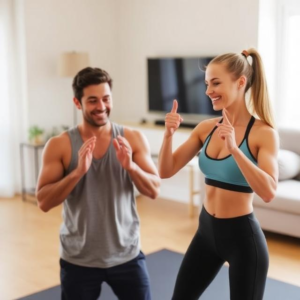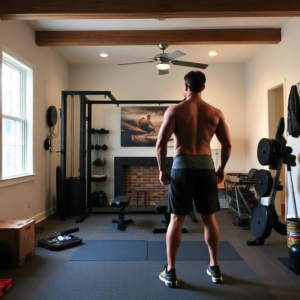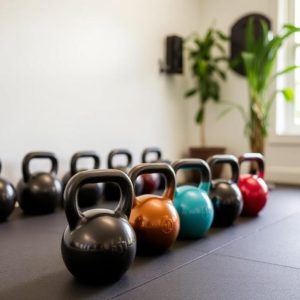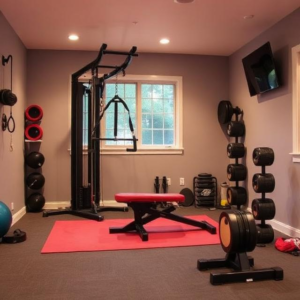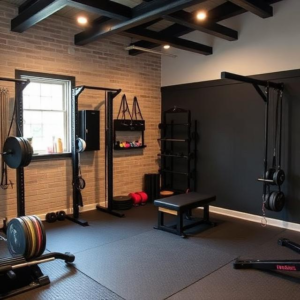
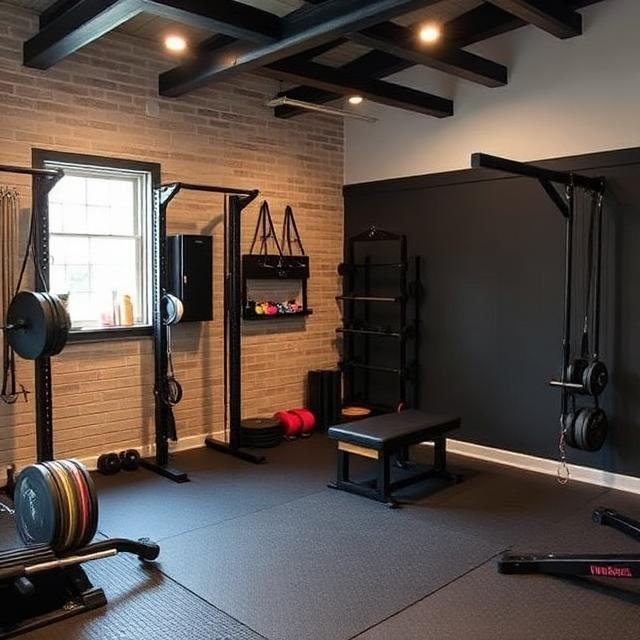
Choosing the right space for your home gym is just the beginning. What comes before that, is what and how can we use that space safely. Then comes the what equipment will fit into that space phase? Building a home gym can be fun, daunting and challenging, all at the same time, especially if you’ve never done it before, and you want to get it right.
Choosing the Right Space for Your Home Gym
The space you choose will influence every workout you complete. It doesn’t need to be large, expensive, or purpose-built, it simply needs to be safe, comfortable, and easy to access. It doesn’t need to be large, expensive, or purpose-built, but it should be safe, comfortable, and easy to access.
In this chapter, you’ll learn how to choose the best location in your home, make the most of the space you have, and avoid common planning mistakes before buying any equipment.
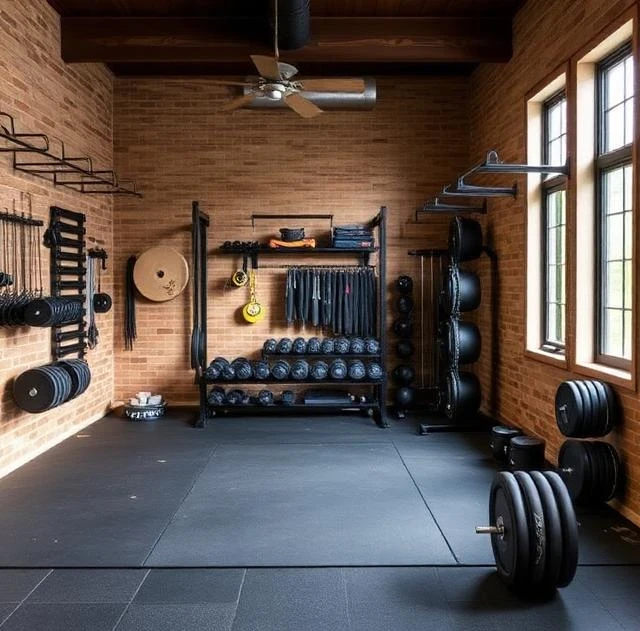
One of the biggest misconceptions about building a home gym is believing you need an entire room dedicated to fitness. In reality, some of the most effective home gyms occupy nothing more than a spare corner of a bedroom or a section of a garage. The aim isn’t to find the biggest space in your home, it’s to make the best use of the space you already have.
This chapter is about planning rather than spending. Before you buy equipment, before you think about flooring, and before you start rearranging furniture, it’s important to understand what makes a space work for training. With the right approach, even the smallest area can become a comfortable, practical, and motivating home workout space.
1. Start with the Space You Already Have
Most beginners assume they need a dedicated room to build a home gym, but that simply isn’t true. Many UK homes don’t have spare rooms, and even when they do, those rooms are often already serving multiple purposes.
Remember that your home gym doesn’t have to stay the same forever. Many successful home gyms begin with nothing more than a yoga mat in the living room before gradually evolving into a dedicated training area. As your confidence grows, your workout space can grow with you.
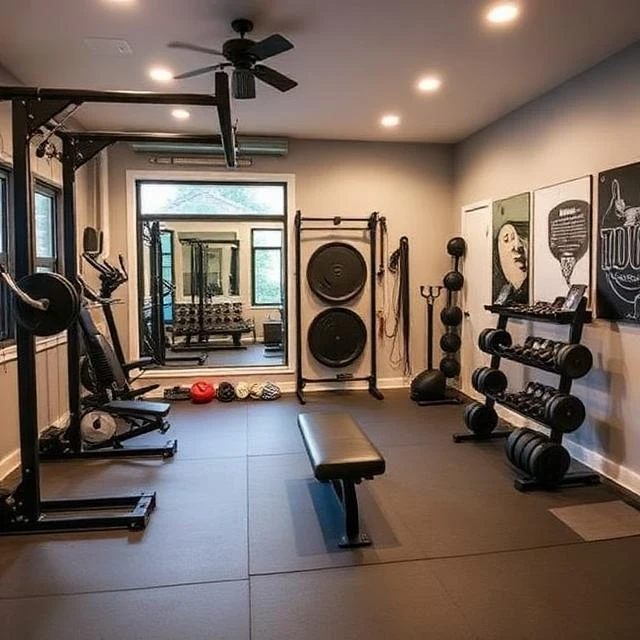
The good news is that almost any area can become a functional workout space:
- A spare bedroom
- A garage gym setup
- A conservatory or garden room
- A loft conversion
- A corner of the dining room
- A section of the living room
- A garden office
- Even the space under the stairs if you’re creative
The key isn’t the size of your workout space, it’s how consistently you use it. A small, well‑planned space you use regularly will outperform a large, unused room every time.
If, you can move freely, store your equipment safely, and train without constant interruptions, you already have everything you need to begin.
2. How Much Space Do You Really Need?
Most beginners dramatically overestimate how much room a home gym requires. You don’t need a studio‑sized area or a full garage conversion to train effectively.
Quick Planning Tip
Before buying any equipment, use masking tape to mark out the space on your floor. Spend a few minutes performing squats, lunges, overhead reaches, and floor exercises inside the marked area. This simple exercise quickly shows whether you have enough room and helps avoid expensive purchasing mistakes later.
Here’s a simple breakdown:
Bodyweight Workouts
Around 2m × 2m is plenty. This gives you enough room for press‑ups, squats, lunges, planks, and mobility work.
Resistance Bands
Similar to bodyweight training, 2m × 2m works well. Bands require movement, not space.
Dumbbells
A little more room helps, but not much. Around 2m × 2.5m is comfortable for most dumbbell exercises.
Bench Workouts
A bench plus dumbbells fits nicely into 2m × 3m. This is still smaller than most people expect.
Choosing the Right Space for Your Gym – Power Racks
These require considerably more space, typically 3m × 3m or more, plus ceiling height clearance. Most beginners don’t need a rack immediately, so don’t let this limit your planning.
The takeaway: You need far less space than you think. A well‑organised small home gym can be just as effective as a large one.
3. Ceiling Height Matters
This is something many beginners overlook, but it’s crucial.
Ceiling height affects:
- Overhead presses
- Skipping rope
- Pull‑up bars
- Wall‑mounted equipment
- Garage beams
- Lighting fixtures
- Ceiling fans
If, you’re planning to press dumbbells overhead, make sure you have enough clearance. Garages often have lower ceilings, and loft conversions may have sloped roofs. Even living rooms can have hanging lights that get in the way.
A quick measurement now prevents frustration later.
4. Flooring
Your flooring affects comfort, safety, and noise, and it protects both your equipment and your home.
Here are the main options:
Carpet
Soft and comfortable, but not ideal for heavy weights. Great for bodyweight and resistance band workouts.
Laminate or Hardwood
Easy to clean, but can be slippery and noisy. Use rubber mats on top for protection.
Garage Concrete
Durable but uncomfortable. Rubber flooring is essential here.
Rubber Mats
The best all round option. Protects floors, reduces noise, and improves stability.
Horse Stall Mats
Extremely durable and popular in garage gyms. Heavy, long‑lasting, and excellent for weight training.
Foam Tiles
Good for light training, but not ideal for heavy lifting. Comfortable for mobility and stretching.
Choose flooring based on your training style, not aesthetics. Think of your flooring as part of your training equipment, it protects both your body and your investment. If, you’re renting your home, removable rubber mats or foam tiles provide excellent protection without permanently altering the room.
5. Ventilation and Temperature
Comfort encourages consistency.
Fresh air and temperature control make a huge difference in how enjoyable your workouts feel. Excess humidity can also shorten the lifespan of certain equipment, particularly resistance bands and foam flooring, making good airflow beneficial for both you and your investment.
Choosing the Right Space for Your Home Gym – Ventilation Tips
- Open windows
- Use fans
- Avoid stale, humid rooms
- Consider a small air purifier for dusty garages
Temperature Considerations
- Garages can be freezing in winter
- Conservatories can be boiling in summer
- Hydration becomes more important in hot spaces
- Layering clothing helps in cold environments
A comfortable workout space is one you’ll return to regularly.
6. Lighting
Lighting affects mood, safety, and motivation.
Natural Light
Ideal when available, bright, energising, and uplifting.
Choosing the Right Space for Your Gym – LED Lighting
Perfect for garages, lofts, and darker rooms. Choose bright, neutral lighting to avoid shadows.
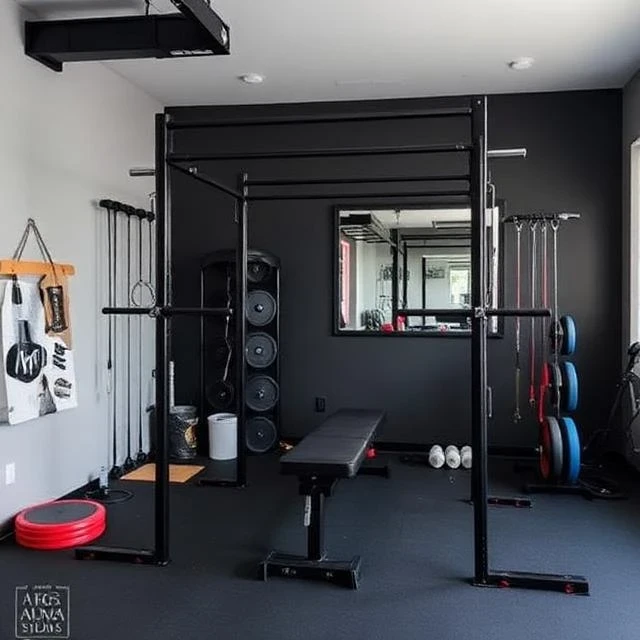
Mirrors (Optional)
Mirrors are there to help you check your technique and posture, not to compare yourself with anyone else. They help you maintain form and stay safe.
Avoid dark, gloomy spaces. A well‑lit home gym feels more inviting and more professional.
7. Noise
Noise is often overlooked, especially in UK homes where space is tight. If, you live in a flat, choosing slower strength workouts over jumping exercises can dramatically reduce noise while still providing excellent results.
Consider:
- Upstairs workouts
- Jumping or skipping
- Dropping weights
- Children sleeping
- Neighbours
- Rubber flooring for noise reduction
- Quieter equipment like resistance bands
If, noise is a concern, choose equipment that won’t disturb others. Resistance bands, adjustable dumbbells placed down carefully, and slower strength workouts are often far quieter than jumping exercises or dropping weights.
Returning every piece of equipment to the same place after each workout also helps keep your space organised and makes starting your next session much easier.
8. Storage
Storage is essential for keeping small home gyms tidy and functional.
Great options include:
- Wall‑mounted hooks
- Shelving units
- Storage benches
- Under‑bed storage
- Folding benches
- Compact dumbbell racks
- Pegboards for bands and accessories
- Emergency contact if training alone
A clutter‑free space feels bigger, safer, and more motivating.
9. Safety
Safety builds trust, and it’s often forgotten in beginner guides.
Make sure your space has:
- Clear walkways
- No loose electrical cables
- Non-slip flooring
- Safe weight storage
- Adequate lighting
- No trip hazards
- Equipment stored safely away from pets and children
- Your phone nearby if training alone
- A basic first aid kit
Think About Future Growth
One mistake beginners make is designing a workout space only for today.
Ask yourself:
- Will I eventually buy adjustable dumbbells?
- Could I add a bench?
- Will resistance bands need a door anchor or wall anchor?
- Is there enough room to expand?
Planning ahead now prevents having to completely redesign your gym later. A safe home gym is a long-lasting home gym.
10. Creating a Space, You’ll Want to Use
This is where your personality comes in.
Small touches make your home gym feel inviting:
- Music or a Bluetooth speaker
- A motivational quote
- A clock or timer
- A whiteboard for tracking workouts
- Plants
- Fresh paint
- A small TV or tablet holder
- A water bottle station
- A towel hook
People return to spaces they enjoy. Make your home gym a place you want to be.
Choosing The Right Space for Your Home Gym – Beginner Space Checklist
1. Enough room to move freely
2. Good lighting
3. Fresh air
4. Safe flooring
5. Equipment storage
6. Water nearby
7. No trip hazards
8. Comfortable temperature
9. Motivation visible
10. Ready to train
Common Mistakes
Beginners often:
- Buy equipment before measuring
- Block doors or walkways
- Ignore ceiling height
- Forget to protect flooring
- Create clutter
- Choose convenience over safety
- Buying equipment that doesn’t fit through your doorway
It sounds silly…
..until it happens.
It happens more often than you’d think, especially with garage gyms and larger pieces of equipment. Avoid these early, and your home gym will feel better from day one.
Last Words About Choosing the Right Space for Your Home Gym
Remember, building a home gym isn’t about creating the perfect room overnight. It’s about creating a space that removes excuses and encourages consistency. Even a small corner that you use three times each week will deliver better results than a large gym that sits unused.
In the next chapter, we’ll begin choosing the equipment that will form the foundation of your home gym, helping you choose equipment that matches your goals, invest wisely, and avoid the common buying mistakes that catch out so many beginners…
Want to read it all now: The Ultimate Beginners Guide to Building a Home Gym
Chapter 2 Key Takeaways
- You don’t need a dedicated room to build an effective home gym.
- Plan your space before buying equipment.
- Good flooring, lighting, and ventilation improve every workout.
- Leave room for future growth.
- A tidy, organised gym is easier to use consistently.
Choosing the right space to enable you to train safely, and productively is important and necessary. We’ve got everything you need to keep you in the know. If, you have any questions or comments please leave them below.
Ultimate Training Gear