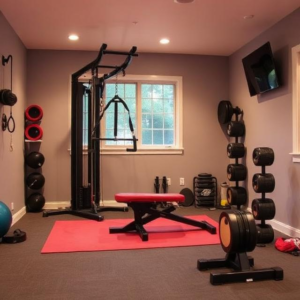
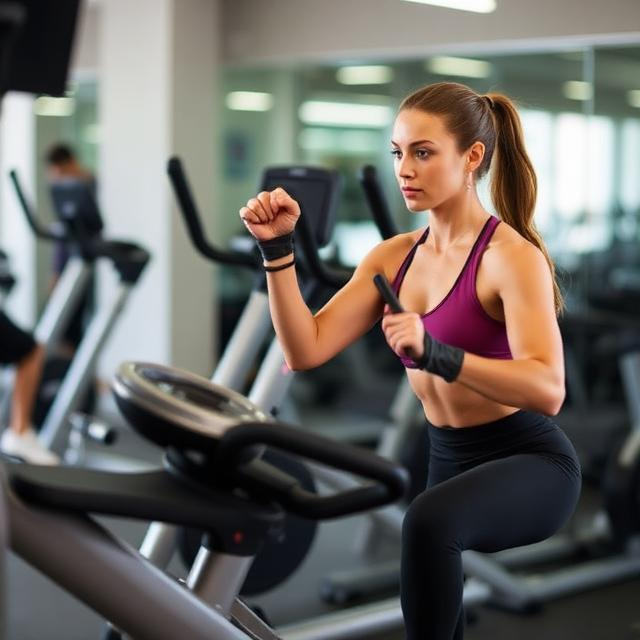
There’s many reasons why you should build habits before purchasing equipment, and they are all important. Especially if you’re hoping to make progress, in your home training regime. In this post I’ll be covering the important reasons why you should build habits before purchasing any new equipment.
Build Habits Before Purchasing Equipment (UK Guide)
Why Consistency Beats Buying More Fitness Gear
Walk into any fitness shop or browse online for a few minutes and you’ll quickly be convinced that getting fit requires expensive equipment.
Adjustable dumbbells.
Exercise bikes.
Treadmills.
Rowing machines.
Smart home gyms.
It’s easy to believe that buying more equipment is the first step towards a healthier lifestyle.
In reality, the opposite is often true.
The people who make the greatest long-term progress usually start by building consistent training habits first. Equipment comes later.
If, you can create a routine that fits your lifestyle, even a small amount of equipment can deliver outstanding results.
Build Habits Before Purchasing Equipment – The Motivation Trap
Buying new equipment feels exciting.
You imagine the workouts you’ll complete.
Then you picture yourself getting stronger.
You tell yourself that this time things will be different.
For a week or two, motivation is high.
Then life happens.
Work becomes busy.
The weather changes.
Energy drops.
The equipment slowly becomes another object gathering dust.
This isn’t because the equipment failed. It’s because motivation naturally comes and goes.
Habits are what keep you training when motivation disappears.
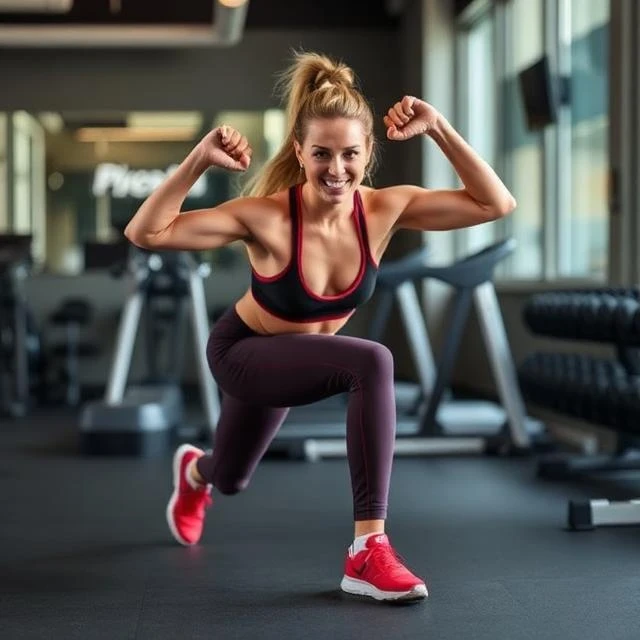
Build Habits Before Purchasing Equipment – Why People Buy Equipment Too Soon
Most unused home gyms start with good intentions.
Common reasons include:
- New Year’s resolutions
- Social media inspiration
- Fitness influencers with expensive setups
- Flash sales and online discounts
- Believing new equipment creates commitment
Buying equipment feels productive. But buying isn’t the same as training.
The only thing that improves fitness is consistently showing up.
Habits Create Automatic Success
One of the biggest advantages of building habits is that training requires less mental effort.
Instead of asking yourself:
“Do I feel like working out today?”
Your routine becomes:
“It’s Tuesday. I always train on Tuesdays.”
That small shift changes everything.
Habits help you:
- Reduce decision fatigue
- Stay consistent during busy weeks
- Build confidence
- Make exercise part of your identity
Eventually, training feels as normal as brushing your teeth.
Build Habits Before Purchasing Equipment – Start With Micro-Habits
Many beginners fail because they try to change everything overnight.
A far better strategy is to start incredibly small.
Examples include:
- Walking for 10 minutes every day
- Two short strength sessions each week
- Five minutes of stretching every evening
- One full-body workout every Saturday morning
A. Small wins create momentum.
B. Momentum creates confidence.
C. Confidence creates long-term consistency.
Buy Equipment to Solve Problems
Equipment should always solve a training problem.
Not create one.
For example:
Good reasons to upgrade:
- You need an adjustable bench for more exercise variety.
- You want resistance bands for mobility work.
- Your dumbbells are no longer challenging.
- Your workouts have become limited by your current setup.
Poor reasons to buy equipment:
- It looks impressive online.
- It’s heavily discounted.
- An influencer recommends it.
- You’re hoping it will motivate you.
Buying with purpose saves money and avoids clutter.
Build Habits Before Purchasing Equipment – Signs You’re Ready to Upgrade
Ask yourself these questions before making your next purchase.
- Have I trained consistently for at least two or three months?
- Am I exercising at least three times each week?
- Am I using my current equipment regularly?
- Do I know exactly why I need this new piece of equipment?
- Will it allow me to perform exercises I genuinely can’t do now?
If, you answered yes to most of these, upgrading probably makes sense.
Build Habits Before Purchasing Equipment – A Three-Stage Home Gym Plan
Rather than buying everything at once, build your home gym gradually.
Stage 1 — Build the Habit
Start with:
- Walking
- Bodyweight squats
- Press-ups
- Planks
- Mobility exercises
Your goal isn’t perfect workouts.
It’s consistency.
Stage 2 — Add Essential Equipment
Once training has become part of your routine, introduce versatile equipment such as:
- Resistance bands
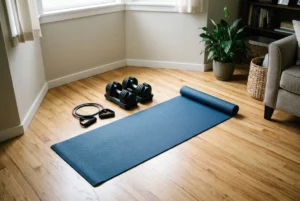
- Exercise mat
- Adjustable dumbbells
- Skipping rope
These four items can support hundreds of different exercises while taking up very little space.
Stage 3 — Expand When Necessary
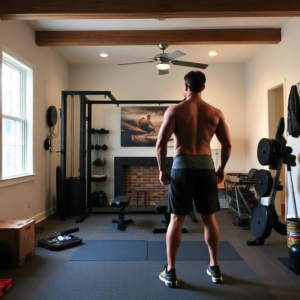
Only after months of consistent training should you consider larger purchases.
Examples include:
- Adjustable bench
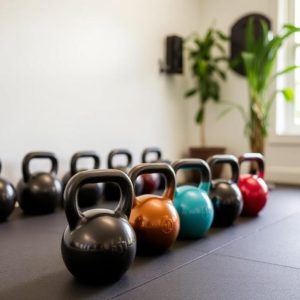
- Kettlebells
- Pull-up bar
- Weight vest
- Cardio equipment
By this stage you’ll know exactly what suits your goals instead of guessing.
Build Habits Before Purchasing Equipment – Weekly Habit Checklist
Progress doesn’t only come from lifting heavier weights.
It comes from repeatedly doing the small things well.
At the end of each week ask yourself:
- I completed at least three workouts.
- I stayed active on most days.
- Have I followed my planned routine.
- I recovered well between sessions.
- Have I resisted buying equipment I didn’t need.
- I feel more confident than I did last week.
If, you can tick most of these boxes consistently, you’re moving in the right direction.
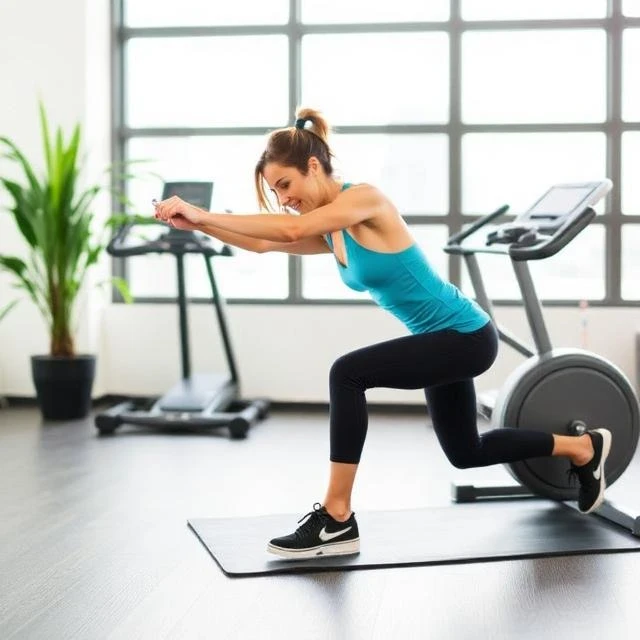
Build Habits Before Purchasing Equipment – Common Mistakes to Avoid
Even with the best intentions, it’s easy to fall into a few common traps.
Try to avoid:
- Buying too much equipment at once.
- Constantly changing workout programmes.
- Comparing yourself to experienced lifters online.
- Ignoring recovery and sleep.
- Believing expensive equipment guarantees better results.
Simple routines performed consistently will always outperform complicated plans that never become habits.
Related Guides
Once you’ve built consistent habits, these guides will help you continue progressing naturally:
- Home Gym Setup Guide UK
- Budget Home Gym Under £300
- How to Progress Your Home Workouts Without More Equipment
- Beginner Resistance Band Workout
- Beginner Kettlebell Workout
- 4-Week Beginner Dumbbell Plan
Final Thoughts on Build Habits Before Purchasing Equipment
The best home gym isn’t measured by how much equipment you own.
It’s measured by how often you use it.
Build your habits first and let your equipment grow alongside your experience. By focusing on consistency, gradual progression, and purposeful purchases, you’ll create a home gym that supports your fitness for years to come.
After more than four decades involved in sport and coaching, I’ve seen one lesson repeated time and time again: the people who succeed aren’t the ones with the biggest gyms, they’re the ones who keep turning up. Please leave your comments below.
Ultimate Training Gear