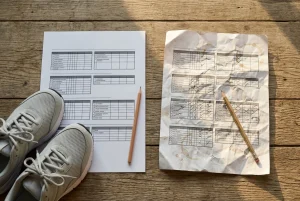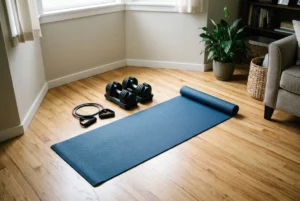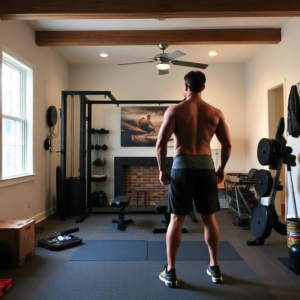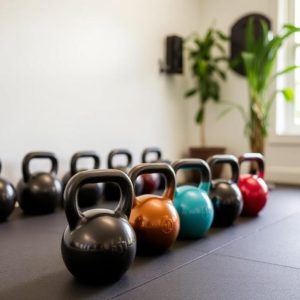
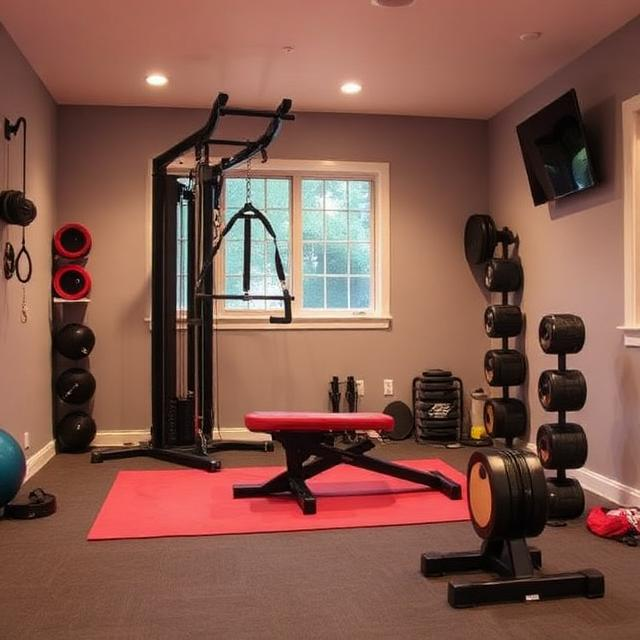
Choosing the right equipment for your goals shouldn’t cause you sleepless nights, it should be fun. The whole process should be built around the space you have to train in, which would be matched with your goals.
In this chapter of the beginners guide to building a home gym, you’ll learn how to make the right decisions about buying equipment for your home gym.
Choosing the Right Equipment for Your Goals
One of the biggest mistakes beginners make is believing they need to buy everything at once. In reality, the best home gyms are built gradually, with each piece of equipment chosen because it serves a clear purpose. This chapter will help you understand what to buy first, what can wait, and how to build a home gym that grows alongside your fitness journey.
The good news is that building a home gym doesn’t happen overnight – and it doesn’t need to. Many of the best home gyms begin with nothing more than a mat and a pair of dumbbells before gradually expanding over months or even years. By buying with purpose rather than impulse, you’ll save money, avoid clutter, and create a space that genuinely supports your long-term fitness goals.
Whether you’re searching for home gym equipment for beginners, planning a beginner home gym setup, or simply trying to choose the best home gym equipment UK, this chapter gives you clarity, confidence, and direction. It helps to choosing the right equipment for your goals.
Quick Take
In this chapter you’ll learn:
- How to choose equipment that matches your goals
- What every beginner should buy first
- Which expensive purchases can wait
- How to build your home gym in affordable stages
- How to avoid wasting money on unnecessary equipment
Choosing the Right Equipment for Your Goals – Start With Your Goal
Your goal determines your equipment. Not trends. Or influences. Not what someone else has in their garage. When you choose equipment based on your goal, your home gym becomes efficient, affordable, and genuinely useful.
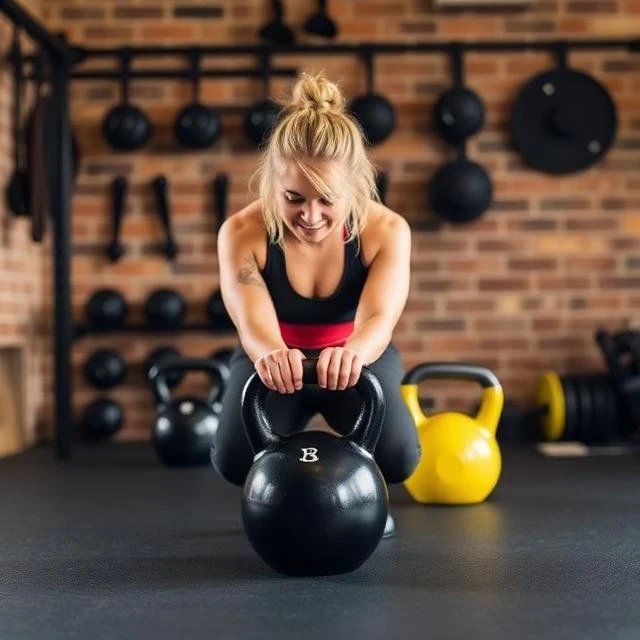
Remember that your goals can change over time. Someone who starts with weight loss may later develop an interest in strength training or muscle building. A flexible home gym allows your equipment to evolve alongside your ambitions.
Weight Loss
Focus on movement, consistency, and calorie burn. Ideal equipment:
- Resistance bands – full‑body, joint‑friendly, perfect for circuits
- Skipping rope – unmatched calorie burn per minute
- Exercise mat – essential for floor work
- Walking – free, accessible, sustainable
- HIIT – can be done with zero equipment
- Walking – free, accessible, sustainable, and one of the easiest habits to maintain
Muscle Building
Prioritise progressive overload and simple, effective tools. Ideal equipment:
- Dumbbells – the backbone of hypertrophy training
- Bench – increases exercise variety
- Adjustable dumbbells – cost‑effective progression
- Progressive overload – the real driver of muscle growth
General Fitness
A balanced mix of strength, mobility, and conditioning. Ideal equipment:
- Bands
- Dumbbells
- Bodyweight training
- Mobility tools
Strength
You don’t need a full power-lifting setup on day one. Ideal equipment:
- Heavier dumbbells
- Kettlebells
- Pull‑up bar
- Bench
- Eventually: squat rack + barbell
Key principle: Equipment should support the goal, not the other way around.
The Five Essential Equipment Categories
Instead of thinking in terms of individual products, think in terms of equipment categories. Almost every successful home gym, regardless of budget, is built around a handful of versatile tools. Understanding these categories helps you prioritise purchases instead of chasing every new fitness trend.
1. Bodyweight
Free, effective, and ideal for beginners. Push-ups, squats, planks, and lunges all build strength before you ever touch a weight.
2. Resistance Bands
Affordable, portable, and versatile. Perfect for warm-ups, mobility, strength training, and travel. (Links naturally to your resistance band guide.)
3. Dumbbells
The foundation of most home gyms. They allow progression, variety, and full‑body training. (Links to your dumbbell guide.)
4. Kettlebells
Excellent for conditioning, strength, and power. Swings, goblet squats, carries—simple movements, huge return. (Links to your kettlebell articles.)
5. Cardio Equipment
Not everyone needs large cardio machines.
Walking, jogging, stair climbing and skipping provide outstanding cardiovascular exercise with little or no equipment.
Other options include:
- Jump rope
- Walking pad
- Exercise bike
- Rower
What Equipment Can Wait
Why beginners often buy too much
Many people worry they’ll “outgrow” basic equipment quickly.
In reality, most beginners have months or even years of progress available using nothing more than bodyweight exercises, resistance bands, and adjustable dumbbells.
Choosing the Right Equipment for Your Goals – Master the Basics First
You’ll often progress much faster by improving your technique than by buying more equipment. Equipment beginners usually don’t need immediately:
- Cable machines
- Smith machines
- Power racks
- Leg press
- Heavy barbells
- Multi‑gyms
- Large cardio machines
Why? Because they’re expensive, space‑hungry, and unnecessary until you’ve built a foundation of strength and consistency.
Choosing the Right Equipment for Your Goals – Buying in Stages
A beginner home gym setup should grow gradually. Here’s a simple, realistic progression.
First Stage (£0–£100)
- Mat
- Bands
- One pair of dumbbells
- Bench
- Adjustable dumbbells
- Kettlebell
- Mini bands
Third Stage (£300+)
- Storage
- More weights
- Pull-up bar
- Cardio equipment
- Eventually: a rack if needed
This staged approach keeps your budget under control and ensures every purchase has purpose. There’s no deadline for reaching Stage Three. The important point is too choose the right equipment for your goals. Some people are perfectly happy staying with a simple setup for years, while others gradually build a dedicated home gym. Progress at your own pace.
Choosing the Right Equipment for Your Goals – Quality vs Quantity
One adjustable dumbbell set is better than six cheap plastic gadgets.
A recurring theme throughout this guide should be:
Buy less. Buy better. Use it often.
High‑quality equipment lasts longer, feels better, and makes training more enjoyable. A smaller collection of equipment you use every week is worth far more than a room full of equipment gathering dust.
Matching Equipment to Your Space
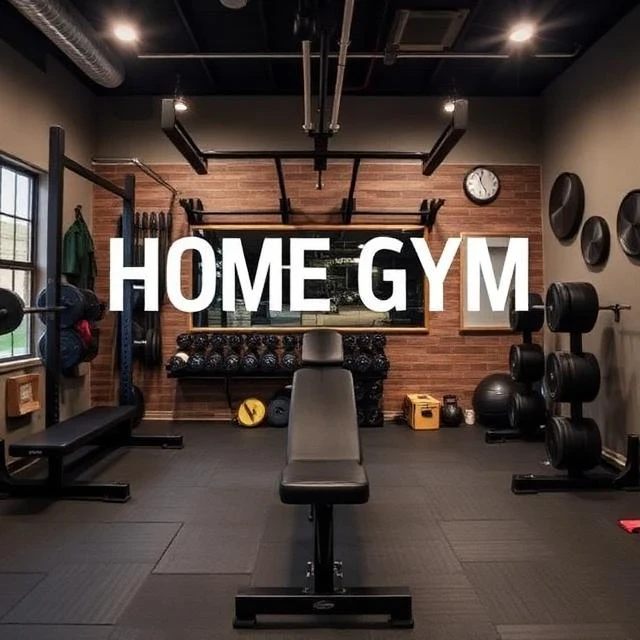
Your space determines what’s realistic.
Garden Office / Garden Room
- Dumbbells
- Bench
- Bands
- Kettlebells
- Excellent all-year training space
Garden rooms have become really popular in the UK.
Small Flat
- Resistance bands
- Adjustable dumbbells
- Fold-away bench
Living Room
- Fold-away equipment
- Storage bench
- Adjustable dumbbells
- Spare Room
- Dumbbells
- Bench
- Bands
- Kettlebells
Garage Almost anything
Garden Office / Garden Room
• Almost anything
Excellent all-year training space.
Choosing the Right Equipment for Your Goals – Common Buying Mistakes
Beginners often fall into predictable traps. This section brings together lessons from your other guides.
Common mistakes:
- Buying everything at once
- Copying influences
- Buying too heavy
- Buying too light
- Ignoring progression
- Buying poor quality
- Chasing bargains
- No plan
buying equipment because it’s on sale rather than because you need it.
This reinforces your authority and protects the reader from wasted money.
Choosing The Right Equipment for Your Goals – My Recommended Starter Kit
If, someone asked me to build a beginner home gym today, I’d recommend:
- Exercise mat
- Adjustable dumbbells
- Resistance bands
- Water bottle
- Timer
- Small notebook or workout app
That’s it. Everything else can come later. A mirror can also be a useful addition for checking technique, but it isn’t essential when you’re starting out.
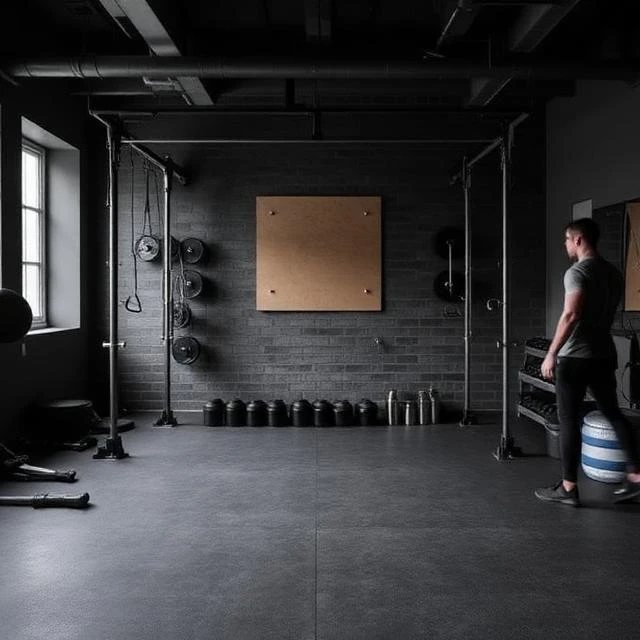
Optional extras include a mirror for checking technique and a resistance band door anchor for even greater exercise variety.
Choosing the Right Equipment for Your Goals – Beginner Equipment Checklist
- Goals identified
- Budget set
- Space measured
- Essential equipment chosen
- Storage planned
- Progression considered
- Safety checked
- Excited to begin
Last Words on Choosing the Right Equipment for Your Goals
Choosing the right equipment for your goals is important. But don’t worry about building the perfect home gym from day one. Start with the essentials, train consistently, and let your setup develop naturally as your confidence and experience grow. The best home gyms aren’t built in a weekend, they’re built one thoughtful decision at a time.
Remember, the equipment is simply the tool. Your commitment to using it is what creates the results.
In the next chapter, we’ll look at how to arrange your equipment into a safe, organised, and motivating workout space that you’ll enjoy using week after week.
Chapter 3 Key Takeaway
- Buy equipment to support your goals, not because it’s popular.
- Start with versatile equipment before expanding.
- Build your gym gradually as your fitness improves.
- Quality equipment usually offers better long-term value.
- Consistency matters far more than owning lots of equipment.
Ultimate Training Gear