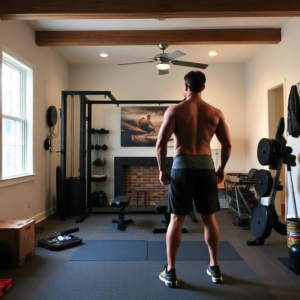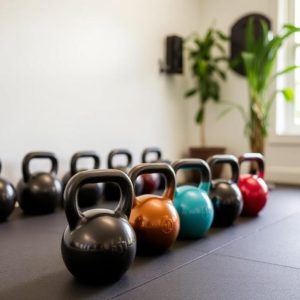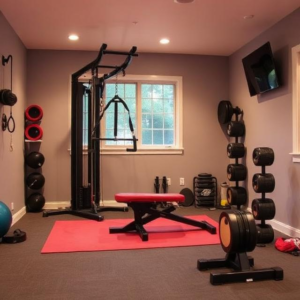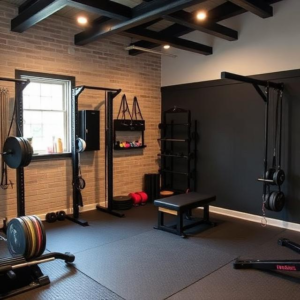
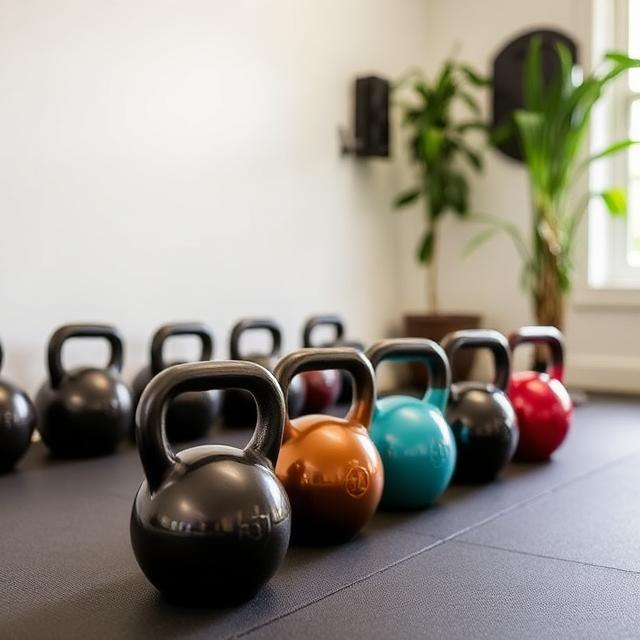
Do you know the key steps to planning your home gym layout? This is a point usually over looked when deciding to train at home, but it can lead to costly mistakes. In this chapter from the ultimate beginners guide to building a home gym, you’re going to learn exactly how to plan your home gym, and how to avoid the pit falls.
Planning Your Home Gym Layout
Now that you know what equipment you’re buying, the next question is simple: where does it all go?
A great home gym layout isn’t about making your space look impressive – it’s about making it functional. When your layout is planned properly, everything becomes easier.
Think of your layout as the foundation for every future workout. A well-planned space saves time, reduces frustration, improves safety, and makes training feel effortless. Whether you’re working with an entire garage or a small corner of your living room, thoughtful planning helps you get the very best from every square metre.
- Workouts flow naturally
- Safety improves
- Space is used efficiently
- Equipment is easier to access
- Consistency becomes far more likely
A well designed home gym feels organised, comfortable, and enjoyable to train in. That’s the goal of this chapter.
Planning Your Home Gym Layout – Quick Take
In this chapter you’ll learn:
- How to arrange your equipment for safety and convenience.
- Why planning your layout before moving equipment saves time.
- How training zones improve workout flow.
- Simple storage ideas to reduce clutter.
- How to create a motivating space you’ll actually enjoy using.
Plan Before You Place
Before you start moving equipment around, take a moment to plan. A few minutes of preparation saves hours of rearranging later.

It also helps to think about how you’ll use the space over the next year, not just today. If, you plan to add adjustable dumbbells, a bench, or cardio equipment later, leave enough flexibility in your layout so future upgrades don’t require a complete redesign.
- Measure the room
- Sketch a simple floor plan
- Think about movement before equipment
- Leave room for future additions
Always plan around how you’ll move, not simply where equipment fits. This single idea will prevent 90% of layout mistakes.
Create Training Zones
Even small spaces benefit from simple zones. You don’t need separate rooms – just designated areas that guide the flow of your training.
Strength Zone
- Dumbbells
- Bench
- Kettlebells
Mobility Zone
- Mat
- Bands
- Foam roller
Cardio Zone
- Bike
- Walking pad
- Skipping rope
Zones help your workouts feel organised and intentional, even in tight spaces.
Even if all your equipment shares the same floor space, mentally separating your workout areas makes training feel more structured and helps you transition smoothly between exercises.
Planning Your Home Gym Layout – Leave Enough Clearance
Clearance is one of the most overlooked parts of home gym design. You need space to move, not just space to store equipment.
Make sure you have:
- Room to perform lunges
- Safe overhead pressing space
- Space around benches
- Clear walkways
Avoid leaving equipment on the floor between exercises. It’s one of the most common causes of trips and preventable injuries in home gyms.
Remember that many exercises involve moving in multiple directions. Always allow extra space around your body for swinging kettlebells, resistance bands under tension, or exercises that require stepping backwards or sideways.
Position Equipment Logically
Where you place equipment matters.
- Heavier equipment: Near walls, on stable flooring
- Frequently used items: Easy to reach
- Rarely used items: Higher shelves or tucked away
The easier equipment is to access, the more likely it gets used. Convenience is a powerful motivator.
Planning Your Home Gym Layout – Smart Storage
Storage is what separates a chaotic home gym from a professional feeling one. Build on the ideas from previous chapters and choose solutions that keep your space tidy. The quicker you can set up and pack away your equipment, the fewer excuses you’ll have for skipping a workout.
Options include:
- Wall hooks
- Pegboards
- Shelves
- Storage benches
- Under bench storage
- Fold away equipment
Your goal is simple: A room that’s ready whenever you are.
Mirrors – Helpful or Not?
Mirrors can be useful, but they’re not essential.
Benefits:
- Technique feedback
- Posture awareness
- Motivation
Drawbacks:
- Cost
- Wall space
- Not required for progress
If, you enjoy training with a mirror, great. If not, you won’t miss out on anything important.
Planning Your Home Gym Layout – Power Points & Technology
Modern home gyms often include a few tech upgrades that make training smoother and more enjoyable.
Consider:
Entertainment
- Bluetooth speaker
- Smart TV
- Tablet holder
Training
- Workout apps
- Smartwatch
- Online coaching
Practical
- Charging points
- Wi-Fi
- Safe cable management
These small additions make your space feel more complete and more convenient.
Planning Your Home Gym Layout – Make It Motivating
A motivating environment increases consistency – and consistency drives results. Small touches make a big difference.
Ideas include:
- Plants
- Music
- Whiteboard
- Progress chart
- Clock
- Motivational quote
- Good lighting
- Fresh colours
People train more often in spaces they genuinely enjoy being in. Your home gym doesn’t need to look like a commercial fitness centre. It only needs to make you feel like exercising. A clean, welcoming environment can be surprisingly powerful when motivation is low.
Planning Your Home Gym Layout – Safety First
Safety should be built into your layout from the start.
Key points:
- Secure equipment
- Stable flooring
- No trip hazards
- Good ventilation
- Awareness of children and pets
- Clear fire exits
- Safe lifting area
A safe gym is a gym you can use confidently.

Planning Your Home Gym Layout – Common Layout Mistakes
These are the issues beginners run into most often:
Common mistakes:
- Buying equipment before measuring
- Blocking doors or walkways
- Buying too much equipment
- Poor lighting
- Ignoring storage
- Not leaving enough walking space
- Trailing cables
- Stacking heavy equipment unsafely
Avoid these and your gym will feel instantly more professional.
Planning Your Home Gym Layout – Home Gym Layout Checklist
A satisfying checklist to finish the chapter:
- Enough movement space
- Equipment organised
- Safe flooring
- Storage in place
- Good lighting
- Ventilation checked
- No trip hazards
- Water nearby
- Music ready
- Excited to train
Think About Expansion
One of the biggest advantages of a home gym is that it can evolve over time. Leave a little spare space wherever possible so you can add equipment gradually without overcrowding the room.
Today’s resistance bands may become tomorrow’s adjustable dumbbells, rowing machine, or power rack. Planning for that possibility now will save you reorganising your space later.
Last Words on Planning Your Home Gym Layout
Remember, the perfect home gym layout isn’t the one with the most equipment or the biggest room. It’s the one that removes obstacles between you and your next workout. When your equipment is organised, your space feels inviting, and everything is ready to use, exercising becomes less of a task and more of a natural part of your daily routine, with your space fully planned, it’s time to put it to work.
In the next chapter, you’ll learn how to create your first home workout routine, building a simple plan that develops strength, confidence, and consistency from day one.
Chapter 4 Key Takeaways
- Plan your layout before moving equipment into place.
- Leave enough space to move safely during every exercise.
- Organise equipment into simple training zones where possible.
- Good storage keeps your gym tidy and ready to use.
- Design your layout to grow alongside your fitness journey.
If, you have enjoyed this chapter share it, if you have any questions or comments please leave them below.
Ultimate Training Gear