What a Good AI Strength Coach Should Ask You Before Building Your Plan
If, you have ever downloaded a workout plan, followed it for two weeks and quietly stopped, the plan probably was not built for you. It was built for an imagined average person, and you are not one. An AI strength coach app is only worth using if it asks the questions a good human coach would ask before writing a single session.
This article covers those questions, why each one matters, and how FitForge uses the answers to build a multi-week plan. It draws on 79 documented exercises and set progression rules, so the plan is not an AI improvising. This site is built on over 40 years of experience in fitness, and the principle here is an old one: the programme has to fit the person.
Why a Generic Workout Plan lets Most People Down
A fixed plan makes assumptions. It assumes you have the equipment listed, the time on the page, joints that tolerate every movement, and a training history that matches its starting weights. When one of those assumptions is wrong, the plan stops working, and most people blame themselves instead of the plan.
Take a 58-year-old returning to exercise after a long gap and a 24-year-old who has trained on and off for years. Hand them the same “12-week full-body programme” and one will be sore and discouraged by day four while the other is bored by week two. Neither has failed. The plan never asked who it was for.
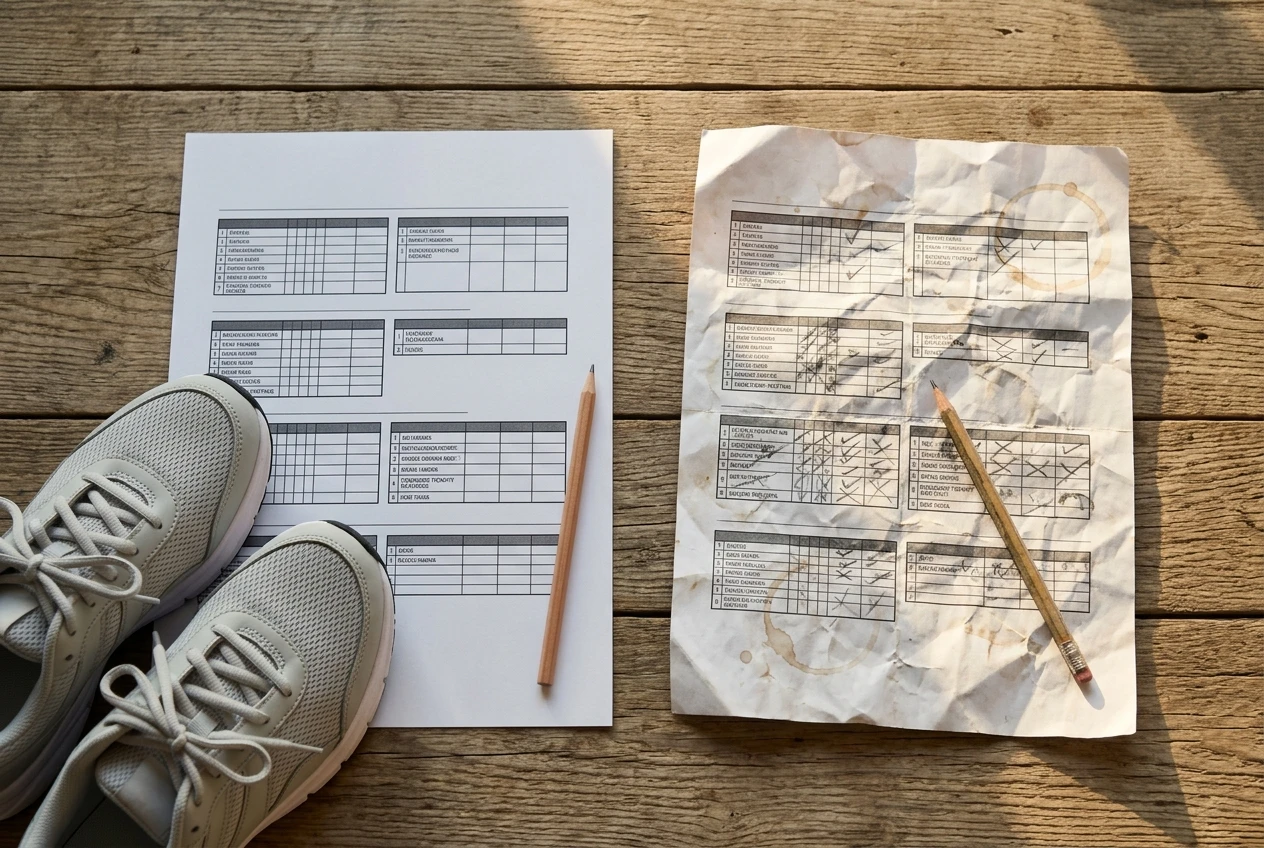
The second problem is that a fixed plan cannot respond. You might miss a week with a cold, find a movement uncomfortable, or fly through the workouts and stall because nothing gets harder. A printed schedule keeps going regardless. A coach, human or otherwise, changes the plan when your results change.
I have written before about why home workouts fail and how to make them stick, and a mismatch between the plan and the person is one of the biggest causes. A good AI strength coach app is built to remove that mismatch.
The five questions a real coach asks first
Before a good coach prescribes anything, they need five pieces of information. Skip any one and the plan is a guess. FitForge asks for all five when you set up your plan.
1. What is your goal?
Getting stronger, building muscle, losing fat and improving general fitness all call for different training. A strength goal means heavier work in lower rep ranges with longer rests. A general fitness goal can use more varied, lighter work. The goal sets the shape of every week, so it comes first.
2. What is your experience level?
A beginner needs to learn movement patterns and build a base. Someone who has trained for years needs more volume or load to keep progressing. Starting a beginner on an advanced programme causes injury and burnout, and starting an experienced lifter on a beginner programme wastes their time.
3. What does your schedule look like?
Three sessions a week that you actually complete will beat five sessions you abandon. A coach asks how many days you can train and how long you have each time, then builds the plan inside those limits. A 30-minute session needs different exercise choices from a 75-minute one.
4. What equipment do you have?
This decides which exercises are available at all. It gets its own section below.
5. Do you have any injuries or limitations?
A coach needs to know about a cranky knee, a sore lower back or a shoulder that does not lift overhead comfortably. This also gets its own section.
These five answers are the minimum. Together they turn “a workout” into “your workout”, and they are the reason a personalised plan has a fair chance of lasting.
From a Full Gym to One Pair of Dumbbells – How Equipment Shapes the Plan
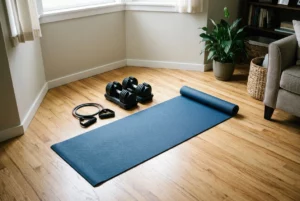
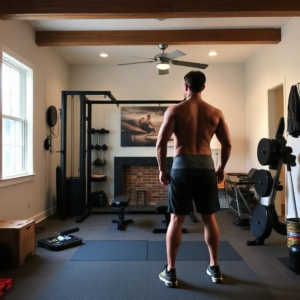
Equipment is the most practical of the five questions, because it sets the list of exercises the plan can draw from. Someone with access to a full gym can squat with a barbell, row on a cable machine and press on a bench. Someone with one pair of dumbbells needs goblet squats, single-arm rows and floor presses, which build the same movement patterns with different tools.
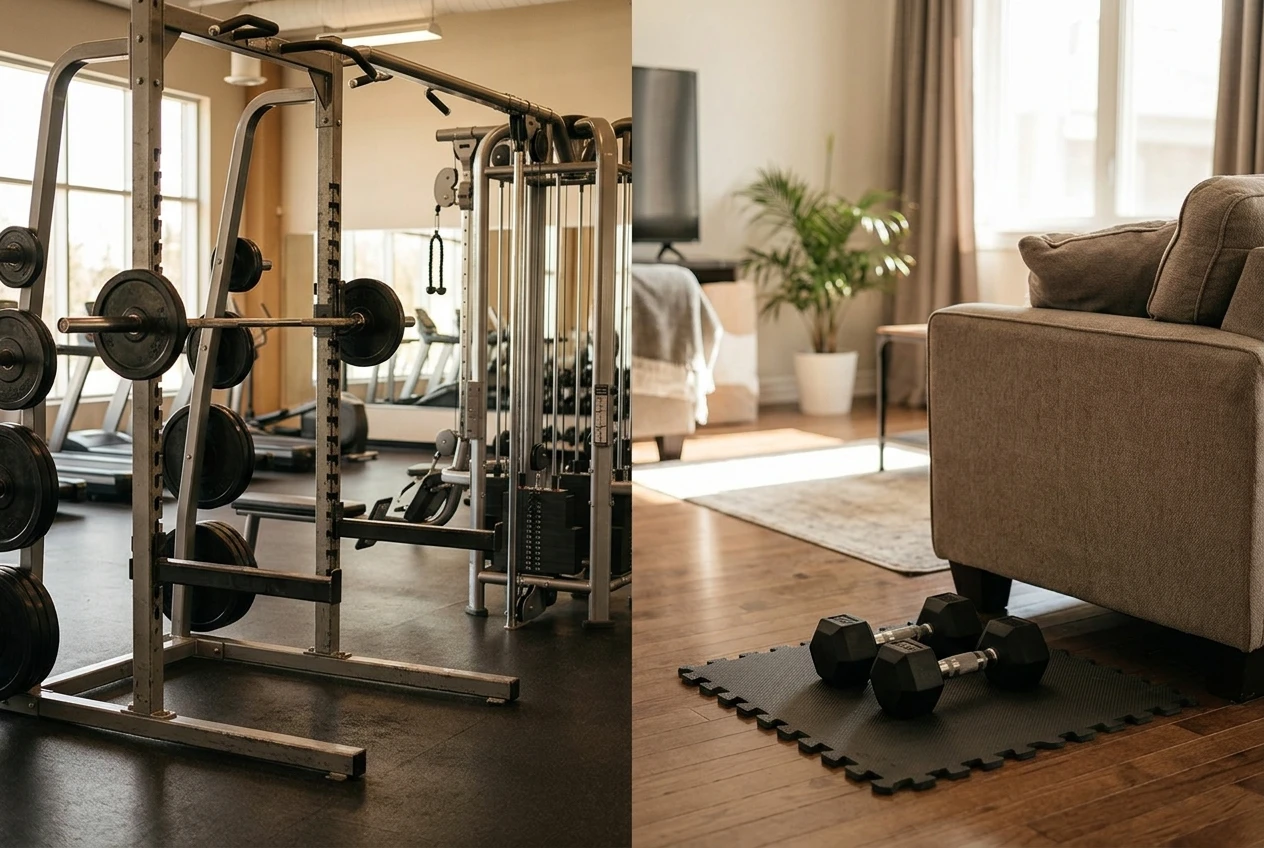
A plan that ignores this will program movements you cannot do. You then either skip them, which leaves holes in the programme, or improvise a substitute that may not train the same thing. Neither is a good outcome.
FitForge works from its library of 79 documented exercises, and each is tied to the equipment it needs. When you say what you have, the plan is assembled only from exercises you can perform. A home trainer with a pair of dumbbells gets a full week of work that makes sense, and so does a gym member with a full rack.
If, you are still deciding what to buy, my UK buyer’s guide to choosing the right dumbbells covers the practical side. Equipment can also change over time. If, you add a bench or a set of bands later, update your answers and the plan can use the new options.
If, you are working at home with a pair of dumbbells, the 4-week beginner dumbbell plan is a good example of what a well-structured plan looks like at that level. An app builds on the same logic and tailors it to your answers.
A Good AI Strength Coach Should Ask – Working Around Injuries Instead of Ignoring Them
Most generic plans handle injuries with a single line: “consult your doctor before starting.” That is sensible advice, but it does nothing to help you train on a Tuesday evening with a sore shoulder.
A good coach does two things. First, they take the limitation seriously and remove or modify the movements that aggravate it. Someone with a bad lower back may swap a heavy hinge for a supported alternative, and someone with sore knees may use a shallower range of motion or a different leg exercise. Second, they keep training everything else. A shoulder problem is not a reason to stop training legs, core and the other shoulder.
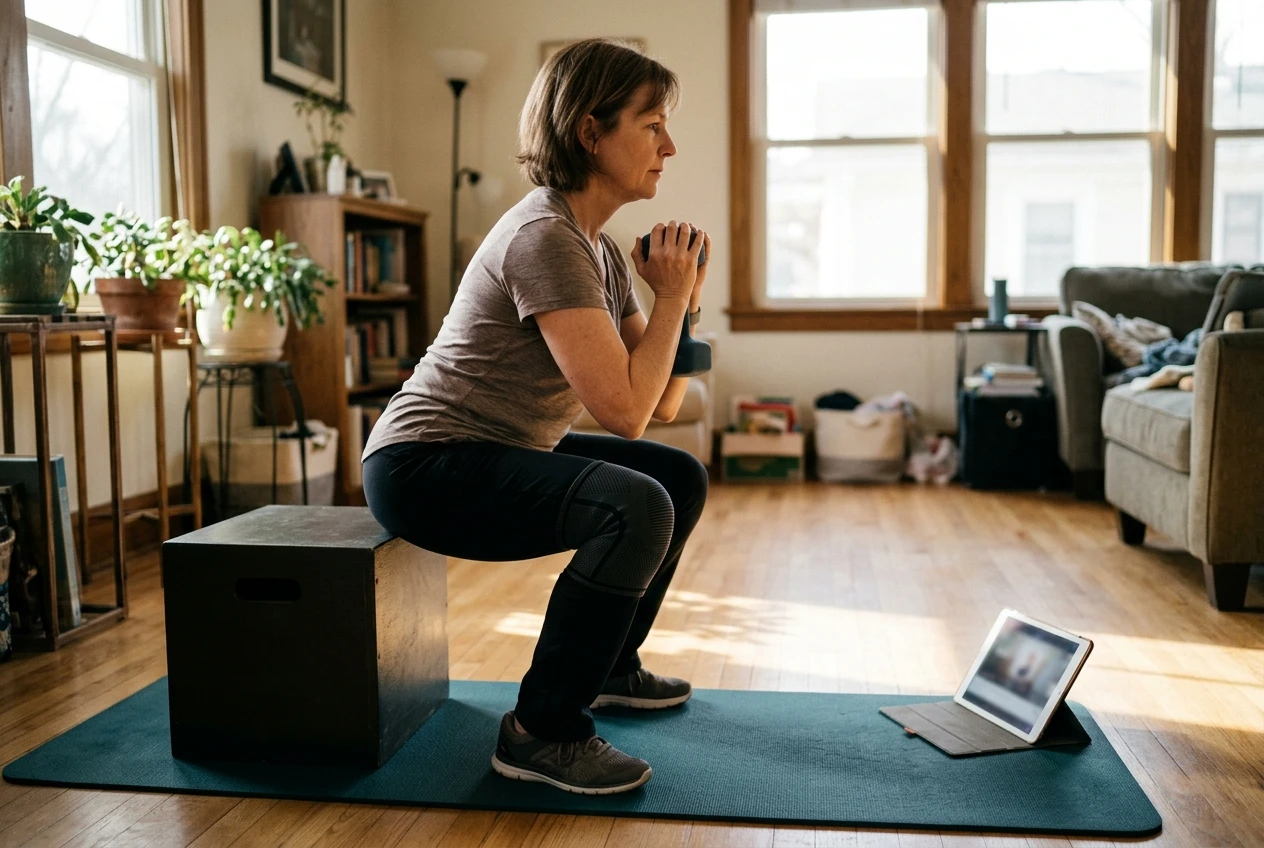
This is why telling the plan about your limitations matters. FitForge uses that answer when it selects exercises, so the plan steers around the movements that cause trouble instead of leaving you to work it out mid-session.
A caution belongs here. An app can sensibly adjust a plan around a known, managed limitation. It cannot diagnose anything. Sharp, unexplained or worsening pain is a job for a doctor or physiotherapist, and you should get it checked before you carry on training.
A Good AI Strength Coach Should Ask – How FitForge Decides When to Add Load and When to Ease Off
This is where a personalised plan beats a fixed one by the widest margin. Strength comes from progressive overload: doing slightly more over time, whether that is more weight, more repetitions or more sets. Too little and you stall, too much and you get hurt or exhausted.
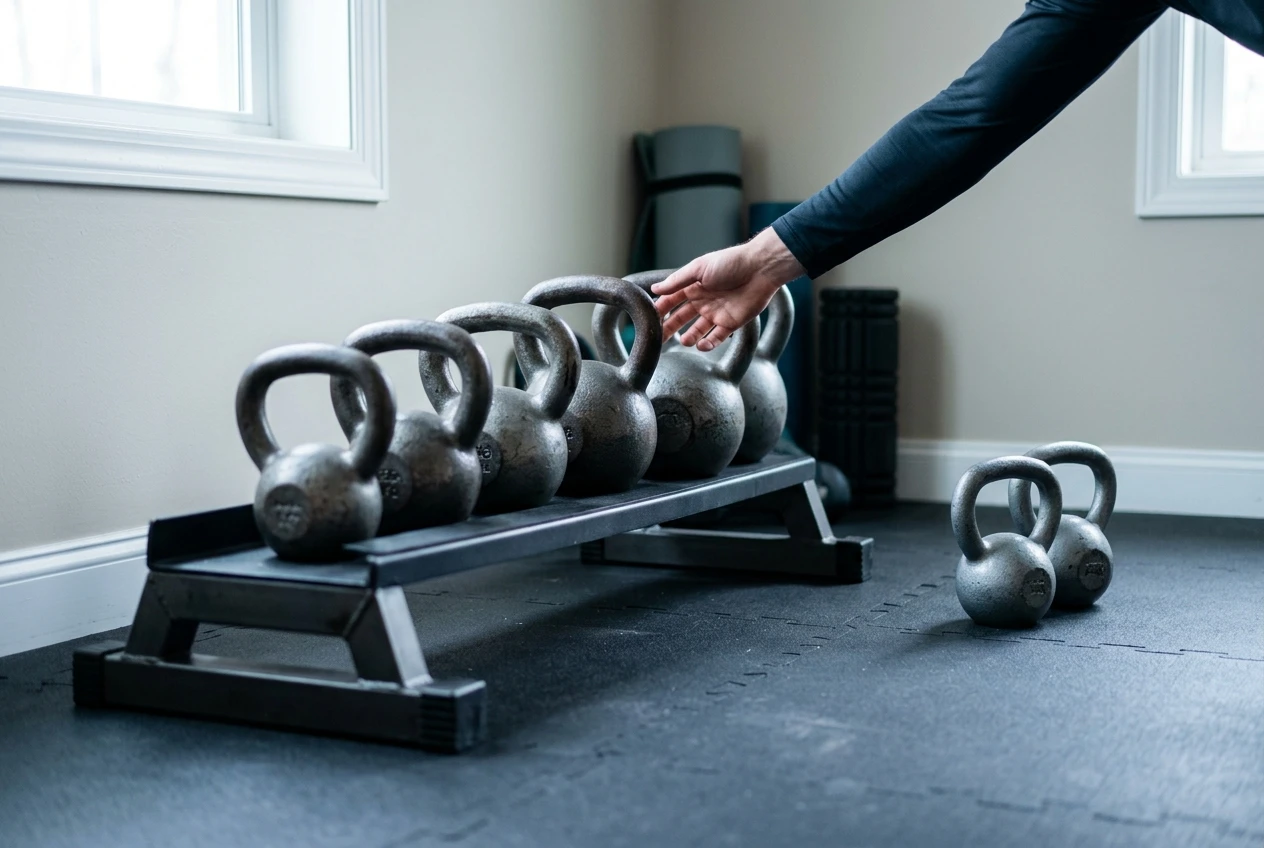
A fixed plan sets this out in advance and hopes. A coach looks at what you actually did. If, you completed the prescribed work with good control, it is time to make the next session slightly harder. If, you struggled, missed sessions or reported that something felt wrong, the sensible response is to hold the load or ease it back for a while.
FitForge applies documented progression rules to this decision instead of guessing. The plan is a multi-week structure that moves in a deliberate direction, and what you report and complete shapes where it goes next. The result is training that gets harder when you are ready and holds steady when you are not.
Progression does not always mean buying heavier weights, either. If, you are training at home with limited kit, there are other ways to make work harder, and I cover them in how to progress your home workouts without more equipment. It is a useful read alongside any plan, because it shows what “more” can mean when the dumbbells stay the same.
What the Weekly AI Review and 24/7 Coach Add Once You Are Training
A plan is only the starting point. Once you are a few weeks in, new questions come up. Why does this exercise feel different on the left side? Should you move a session because of a busy week? Is it normal to be this sore?
Two Pro features address this directly:
- The weekly AI review looks at how your training week went and feeds that into what comes next. It does the job of the check-in a coach would have at the end of the week.
- The 24/7 coach is there when you have a question in the middle of a session or late in the evening, which is when most questions actually come up.
For many people the check-in is what keeps them going. Training alone at home has no one noticing if you drift, and a regular review turns a vague sense of “I think this is working” into something you can see.
What is Free, What Pro Unlocks, and Who it Suits Best
You can start for free. You answer the five questions and see your first multi-week plan, which lets you judge whether the structure and exercise choices suit you before you spend anything.
Pro adds three things:
- Unlimited plans, useful if your goal, equipment or schedule changes and you want a fresh plan.
- Weekly AI reviews, which keep the plan adjusting as you progress.
- Access to the 24/7 coach for questions as they arise.
Who does it suit best? An AI strength coach app is a good fit for:
- Beginners who want a clear structure and do not know where to start.
- Home trainers with limited equipment who want to make the most of what they own.
- Gym members who turn up and wander between machines without a progression.
- Returning exercisers of any age who need a plan that respects their limitations.
It suits you less well if you already work with a coach in person and are happy with the results, or if you enjoy writing and tracking your own programmes. For everyone else, the value is the same as a good coach provides: a plan that fits your life and adjusts as you change.
Try FitForge free: answer the five questions and see your first multi-week plan, then decide if Pro’s unlimited plans, weekly AI reviews and coach access are worth it for you. All comments and questions welcome.
Ultimate Training Gear